
BitMart wind-down shows why exchange infrastructure matters beyond trading
BitMart is the latest crypto exchange to begin winding down trading operations, a reminder that businesses using exchange rails need clear settlement, conversion, and payout paths even when a venue changes course.
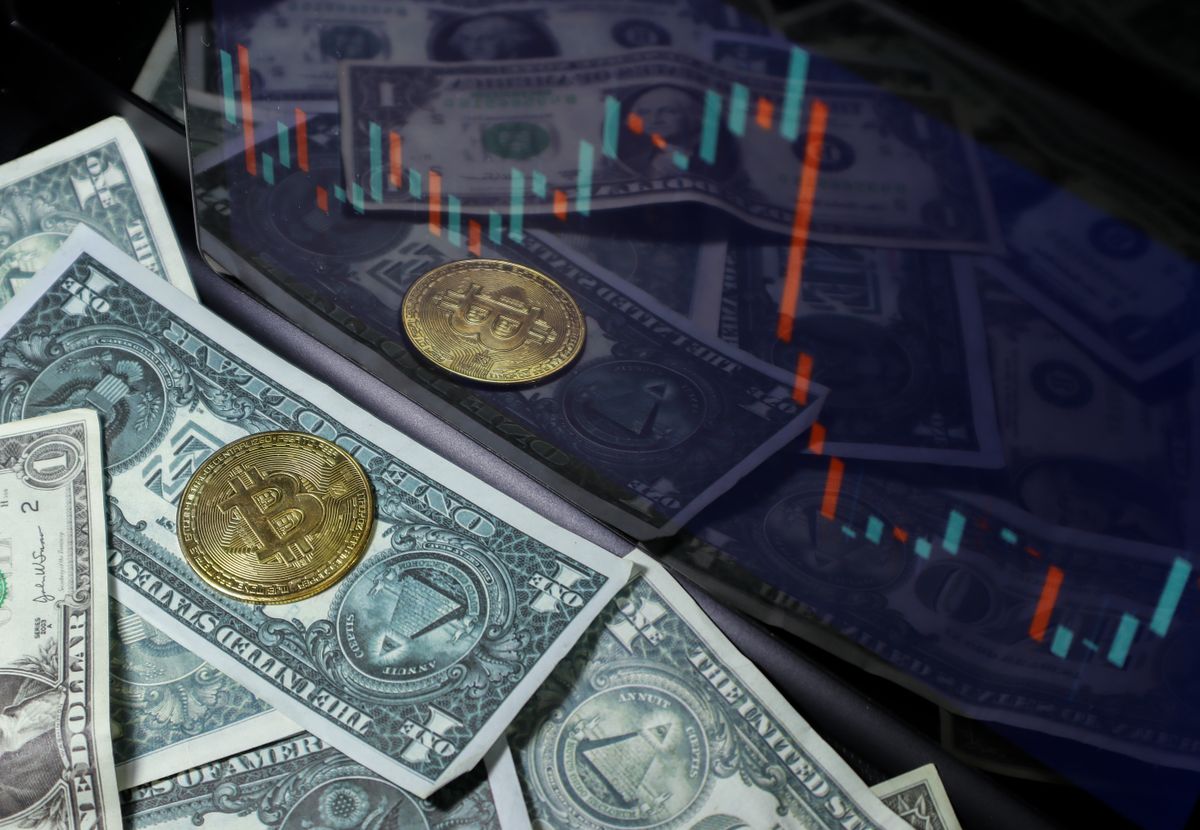
BitMart is winding down its exchange operations, according to reports published on July 26 and 27, 2026, making it the latest crypto venue to step back from trading. Finextra said BitMart had become the second major crypto exchange to wind down after BitMEX, while The Defiant reported that trading would end by Aug. 26. For users and businesses that rely on exchange rails, the practical issue is not only where to trade next, but how to move balances, reconcile records, and settle outstanding obligations without disrupting operations.
The event matters because exchange closures affect more than active traders. Marketmakers, treasury teams, OTC desks, platform operators, and finance teams often depend on exchanges as a source of price discovery, conversion, and liquidity routing. When a venue begins an orderly wind-down, those teams need a plan for converting assets, documenting transfers, and deciding whether balances should remain in crypto or be converted into fiat or stablecoins before the venue shuts down access.
Finextra’s report is brief, but it aligns with the broader picture described by other outlets: BitMart is reportedly closing down its trading platform in an orderly way rather than continuing as a live venue. A short quote from Finextra captures the scale of the moment: “second major crypto exchange” (Finextra). That framing is useful because it points to a market where exchange infrastructure is no longer something businesses can treat as static.
For operators, the first operational consequence is liquidity planning. If an exchange is winding down, balances that were once easy to trade may need to be converted earlier than planned, especially if a business uses the venue for treasury management or periodic rebalancing. The second consequence is reconciliation. Finance teams need a clean trail showing what was held, what was converted, when transfers occurred, and which accounts received the proceeds. That matters whether the next destination is another exchange, a custodial wallet, or a fiat account.
The broader lesson is that exchange dependency should be evaluated like any other payment dependency. Businesses should ask how quickly they can move funds out, whether they have a documented conversion path, and how settlement records will be preserved if a venue changes strategy. Those questions are especially relevant for firms that move between crypto and fiat regularly, including platforms that need treasury conversion, payouts, or stablecoin settlement rather than speculative trading.
That is where conversion infrastructure becomes more relevant than a single exchange account. Radom’s crypto conversion tooling is built for business payment and treasury workflows, not order-book trading, which is the right distinction for teams that need to move value rather than speculate on price. The useful criterion is whether a platform can support quoted routes, clear settlement records, and routing into the asset the business actually wants to hold.
The next watchpoint is whether more venues follow the same pattern and how quickly businesses adapt their operating model. Even when a wind-down is orderly, it still creates a deadline. Teams that rely on exchange balances for settlement or payouts should review their exposure now, not after a closure notice arrives.
Sources
- Important Notice Regarding the Orderly Cessation of BitMart Operations
- Bitmart becomes latest crypto exchange to wind down operations
- BitMart to Wind Down Exchange, End Trading by Aug. 26
- BitMart Winds Down Trading as Exchange Closures Pile Up
- Crypto exchange BitMart to wind down trading platform by ...
- BitMart confirms orderly wind-down of exchange operations
- BitMart 'commences orderly wind-down of its trading ...
Exploring how this affects your operating model?
