
Robinhood brings crypto trading to the UK
Robinhood launched crypto trading for UK investors on 10 August 2026 through Bitstamp UK Ltd, showing how exchange access is being packaged inside broader consumer finance apps.
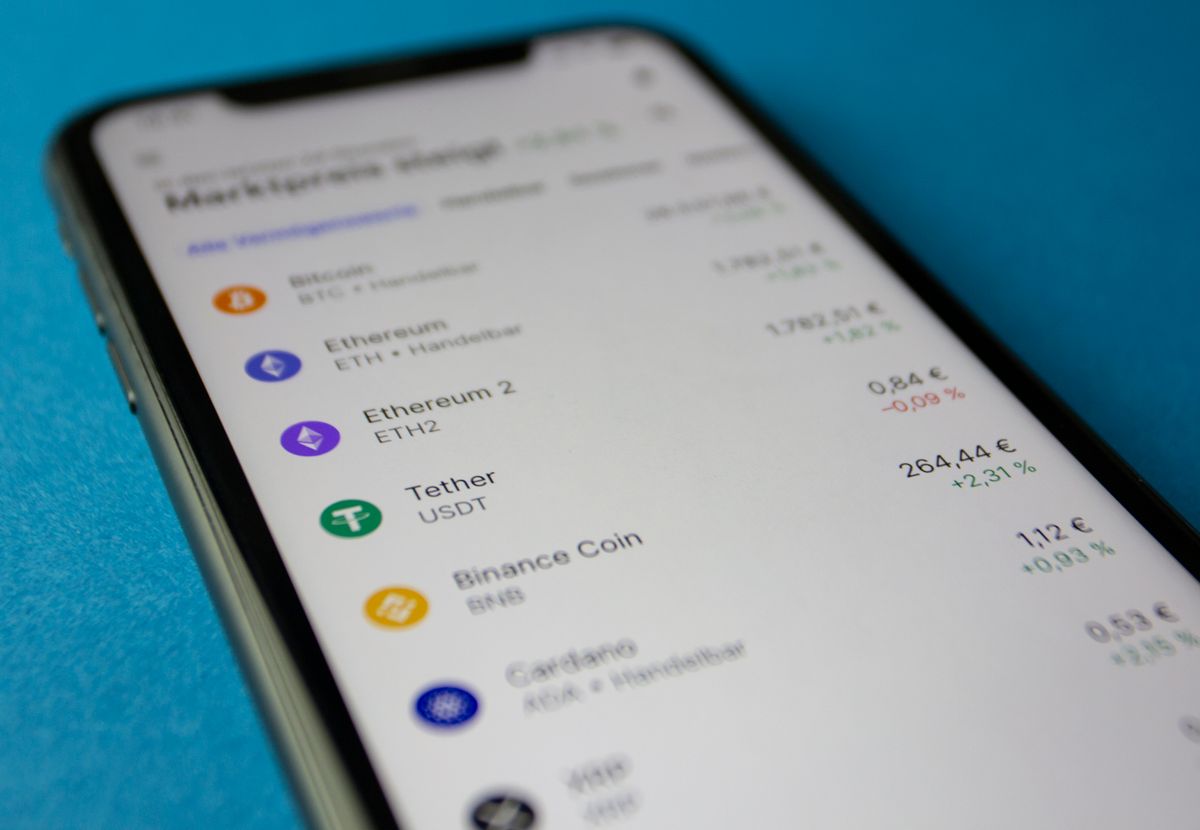
Robinhood launched crypto trading for UK investors on 10 August 2026, with access delivered through Bitstamp UK Ltd, the exchange it acquired in 2024. The announcement matters because it shows how crypto trading is increasingly being distributed inside mainstream consumer finance apps rather than only through standalone exchanges.
Robinhood said it was launching "access to crypto trading" for UK investors. That is a small phrase, but it captures a larger market pattern. The product is not just about giving retail users another place to trade digital assets. It is about bundling exchange access into an app that already handles brokerage and investing, which can lower the friction between fiat funding and crypto exposure.
Why this launch matters beyond retail trading
For operators, the important detail is the workflow behind the app. Exchange access only works cleanly when funding, execution, custody, and settlement are aligned. If any one of those steps is slow or opaque, users feel it immediately as failed trades, delayed balances, or support issues. That is why exchange announcements are also operational announcements.
The UK launch is also a reminder that crypto is being treated less as a separate destination and more as one asset class inside broader financial products. That has implications for reconciliation and treasury teams, especially where businesses need to move between fiat and digital assets and keep a clear record of what settled, when, and in which currency.
For teams building those workflows, the practical question is not whether an exchange exists. It is how conversion and settlement are handled once a transaction leaves the trading screen. Radom’s crypto conversion tooling is aimed at that operational layer, where businesses need to move between assets and settle in the form that fits their finance process.
What the UK market is likely to test
The UK is a useful market for this kind of launch because it combines established financial regulation, active retail demand, and a mature fintech audience. That makes it a good test of whether consumer platforms can package crypto access in a way that feels familiar to users without obscuring the mechanics behind the trade.
It also raises the standard for reporting and support. Consumers may not care which venue sits behind the experience until something goes wrong. But operators do. A platform that offers trading through an underlying exchange has to be clear about where execution happens, how balances move, and what the user can expect if a transfer or trade does not complete as planned.
Limitations, dependencies, and what operators should watch
The main operational limitation in this launch is that access is being delivered through Bitstamp UK Ltd rather than a standalone Robinhood exchange. That means the user experience will depend on the underlying venue, local permissions, and the rules attached to UK service. The practical response is to monitor funding paths, execution quality, and how clearly the platform separates trading, custody, and settlement responsibilities.
That matters because exchange products often look simple at the front end while hiding complexity in the back office. If quoted value, asset availability, or final settlement records are not explicit, reconciliation becomes slower and support costs rise. Businesses that move between crypto and fiat usually need those controls to be visible from the start.
The broader lesson is that exchange is becoming a standard feature inside consumer finance products, but the hard part is still operational. The winners will be the platforms that make money movement traceable, predictable, and easy to reconcile, not just easy to tap.
Sources
Exploring how this affects your operating model?
