What fintech teams mean by BaaS rails
For many product and finance teams, BaaS rails are not about branding. They are about the practical plumbing needed to collect funds, identify balances, route settlement, and move money out again without creating reconciliation problems.
If you are building a fintech product, marketplace, platform, or payment workflow, the real question is usually this: can you support named collection accounts, conversion, treasury movement, and payouts without stitching together too many separate tools?
Radom is built for that operating problem. It helps businesses accept, manage, and move money across crypto, stablecoins, open banking, and fiat account rails, with virtual accounts, conversion, and payouts in one platform where supported.
When virtual accounts matter most
Virtual accounts are useful when your team needs cleaner collection and settlement than pooled payment flows can offer. They help create a clearer link between incoming funds and the customer, user, or internal ledger event those funds belong to.
Radom’s virtual accounts support named USD and EUR accounts in your business name, with tracking built into the platform. That matters for teams that care about reconciliation, settlement visibility, and finance operations, not just payment acceptance.
Typical use cases include:
- Collecting fiat into named accounts before moving value into crypto workflows
- Tracking first-party and third-party incoming payments
- Separating receipts by customer, program, region, or product line
- Reducing manual work for finance and operations teams
A practical integration model
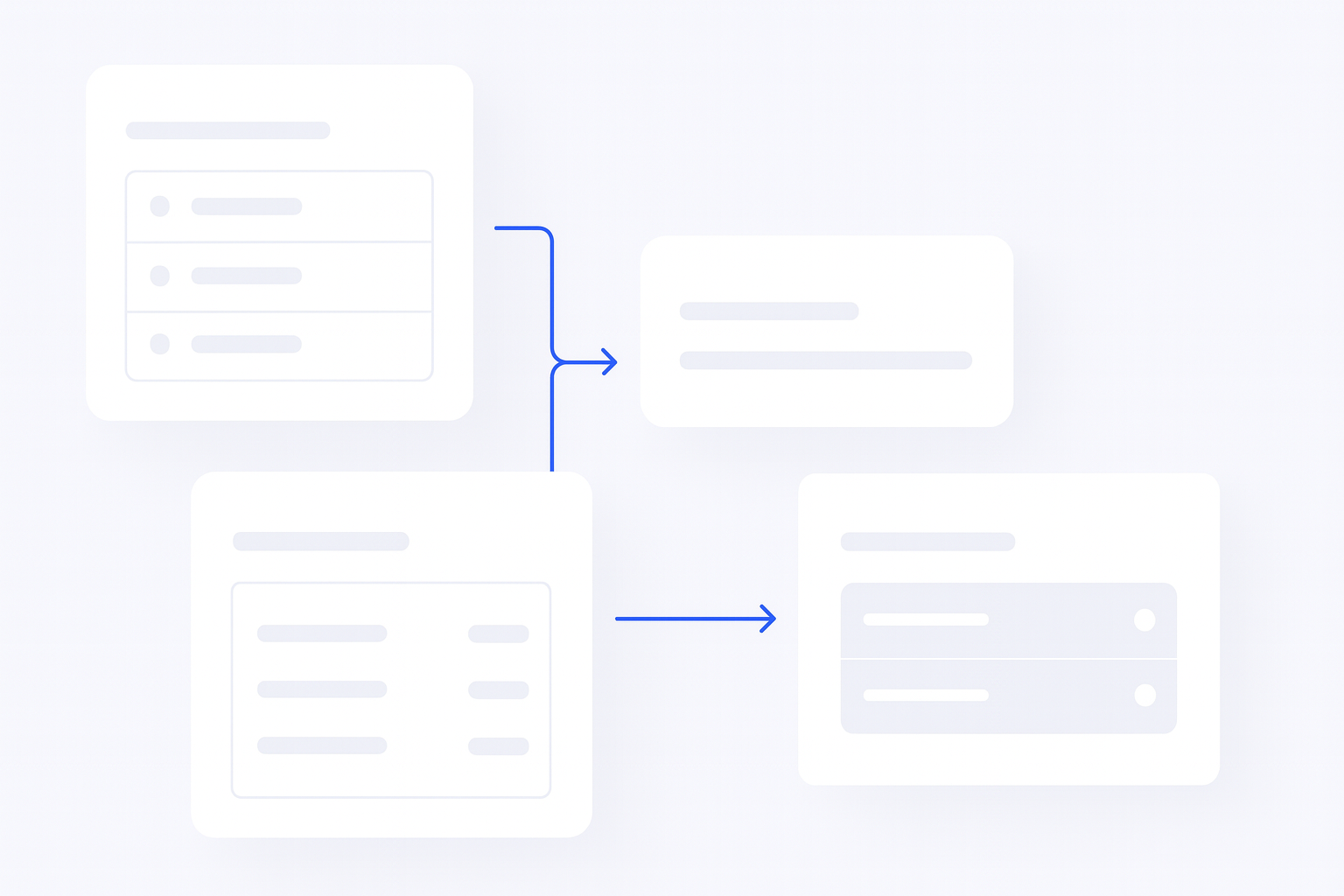
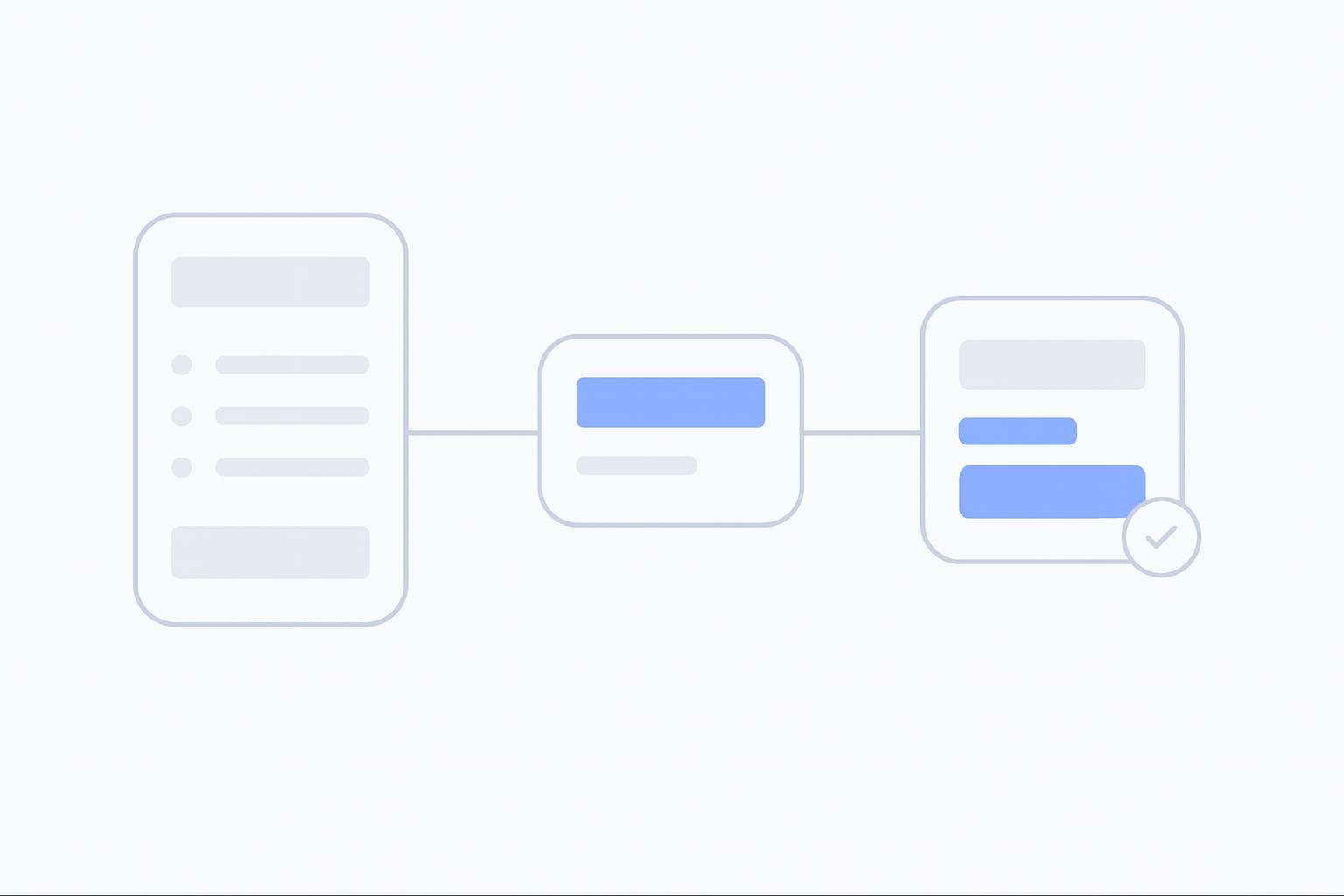
If you are evaluating BaaS-style rails for fintech integration, a useful implementation model is to break the workflow into four stages.
- Collect funds into a named virtual account or supported collection flow.
- Track the incoming payment against the correct customer, ledger, or payout group.
- Convert balances when your treasury or settlement logic requires a different asset or currency.
- Disburse funds through the payout rail that best fits the recipient and the business need.
Radom supports this kind of flow across virtual accounts, crypto conversion, crypto on and off ramp, and mass payouts, so teams can handle more of the money movement lifecycle in one place.
Where Radom removes work
Teams usually feel the friction in three places: reconciliation, settlement routing, and payout operations. Radom is designed to reduce that work by keeping payments, balances, conversion, and payouts in the same operating view.
- Reconciliation: named virtual accounts and dashboard tracking help finance teams match receipts more cleanly.
- Settlement: conversion and withdrawal automations help funds move into the right asset or destination.
- Payout operations: payout workflows can be managed from the dashboard, CSV upload, or API depending on the team setup.
For teams that need broader payment infrastructure, Radom also supports payment acceptance, billing, invoices, payment links, and APIs from one platform. See the Radom home page for the full product set.
How to evaluate whether the rails fit your use case
Before you choose a BaaS or payment rail setup, compare the workflow against your actual operating needs.
- Define what you need to collect, and in which currencies or assets.
- Map how those funds should move into treasury, settlement, or user balances.
- Decide whether your team needs fiat collection, crypto movement, or both.
- Check how recipients should be paid, including fiat or digital asset payouts where supported.
- Review how reporting, accounting, and reconciliation will work in the dashboard or via API.
If your team needs to move between crypto and fiat for payments, payouts, settlement, or treasury workflows, the on and off ramp and conversion tools are the most relevant parts of Radom to test first.
Who this is for
This setup is usually relevant for payments teams, founders, finance operations teams, platform operators, and developers building money movement into a product. It can also fit affiliate networks, iGaming operators, creator platforms, and subscription businesses that need global collection and payout workflows with better control over settlement.
If your business needs recurring billing or invoice workflows as part of the same stack, Radom also supports crypto billing and crypto invoicing.
Next step
If you are evaluating rails for fintech integration, the fastest way to see fit is to test the workflow in the Radom dashboard and compare it against your current collection, settlement, and payout process. For implementation teams, the Radom documentation is the best place to review integration details.
For pricing and higher-volume use cases, review Radom pricing and contact sales if you need a more specific setup.
Contact sales if your team wants to discuss virtual accounts, conversion, or payout workflows before integrating.
Frequently asked questions
Is Radom a bank?+
No. Radom should not be presented as a bank. It provides payment infrastructure and virtual account workflows for businesses, with partner-supported rails where available.
Can Radom help with reconciliation?+
Yes. The virtual accounts product is positioned around named collection accounts and tracking built into the platform, which helps finance teams keep cleaner records than pooled collection flows.
Does Radom support fiat and crypto movement?+
Yes. Radom supports workflows across crypto, stablecoins, open banking, and fiat account rails where available, including conversion and payout operations.
Can teams use Radom through API?+
Yes. Radom provides developer APIs and docs for teams that need programmable payment infrastructure.
Where should a team start if they want to test the workflow?+
Start with the dashboard, then review the documentation if you want to integrate. If the setup is complex or high volume, contact sales.