Bitcoin payments for businesses
If your team is evaluating bitcoin payments, the real question is not whether customers can send BTC. It is how you accept it without adding operational work for finance, support, and engineering.
Radom gives businesses a way to accept crypto payments, manage subscriptions, send invoices, create payment links, and run payouts from one platform. For teams that want bitcoin as part of a broader payment stack, that means fewer disconnected tools and clearer settlement handling.
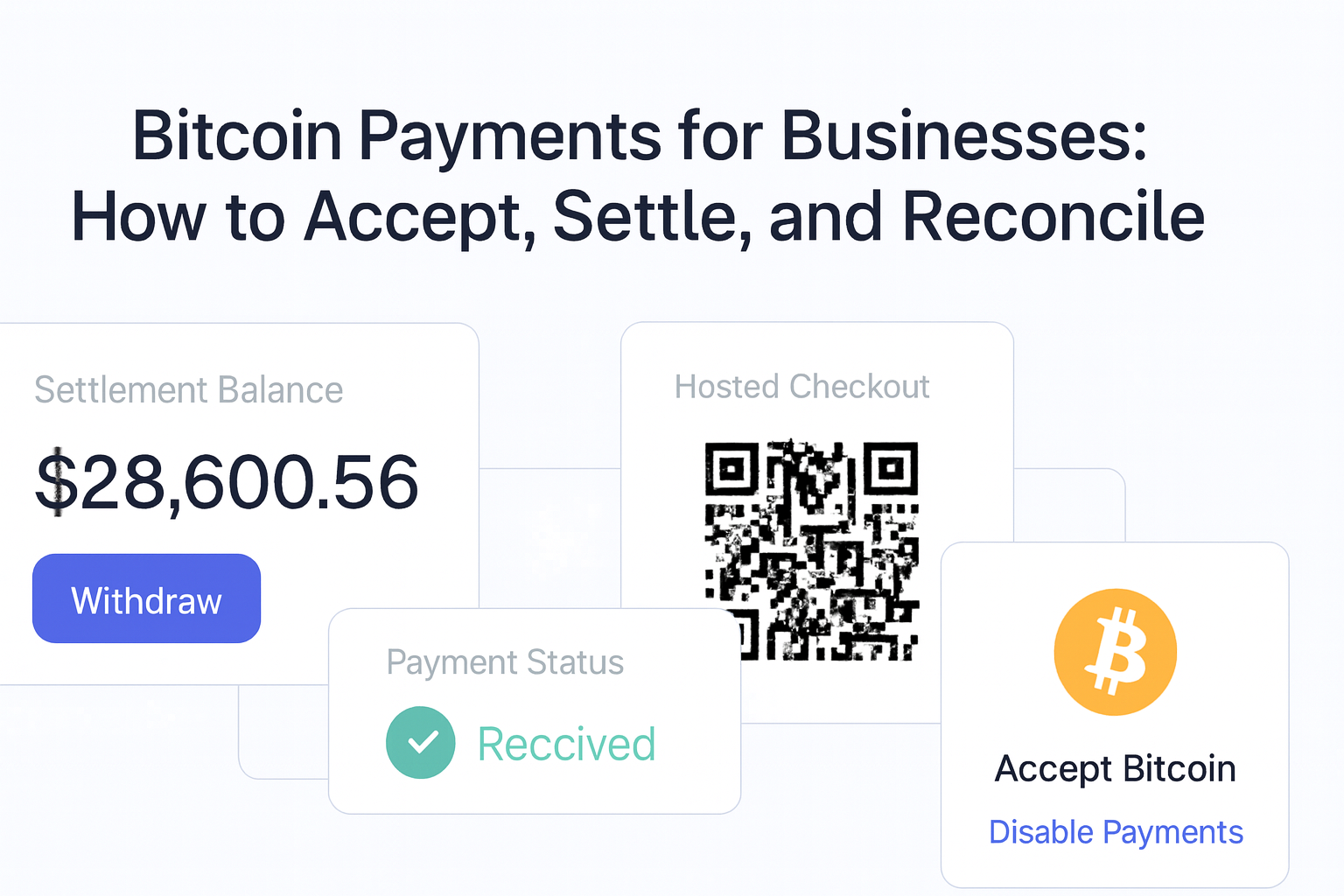
Use crypto payments when you want a broader acceptance setup, or crypto checkout if you need a hosted payment page that is faster to launch.
How bitcoin payments work in a business flow
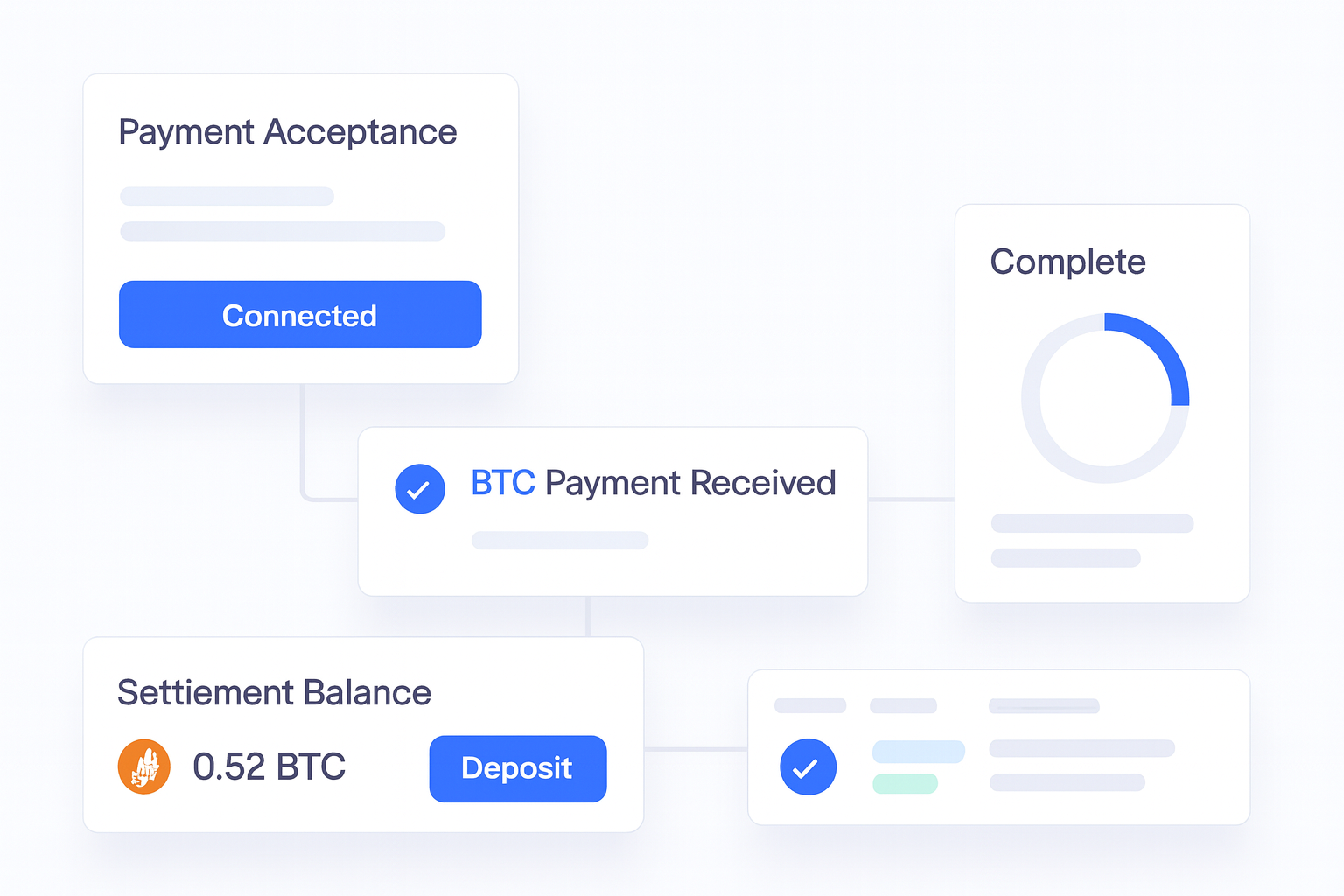
- Choose the payment surface you want to offer, such as hosted checkout, payment links, invoices, or an API-led flow.
- Show the customer the amount due in bitcoin or another supported asset path your team has set up.
- Receive the payment into your Radom balance.
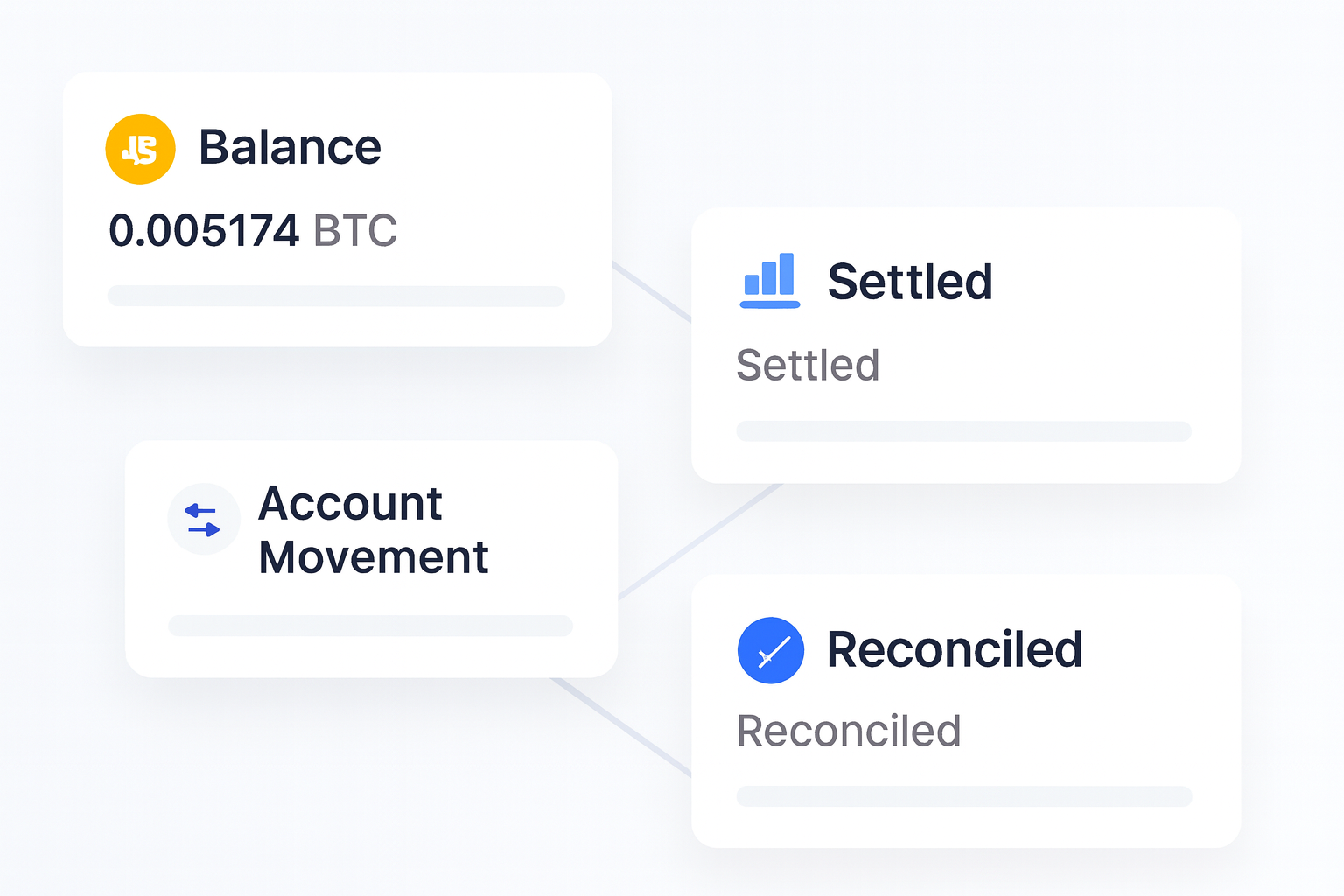
- Settle in crypto or fiat, depending on how your operations team wants to manage treasury and reporting.
- Reconcile the payment against your internal records and close the loop for finance.
Radom is built to help teams keep control of settlement, reconciliation, and reporting while giving customers more ways to pay.
Where Radom removes work
For most teams, bitcoin payments become messy when every payment needs a manual check, a separate wallet workflow, and a custom reconciliation process. Radom is designed to reduce that overhead by combining acceptance, balance tracking, and settlement tools in one platform.
That matters for finance operations teams, platform operators, and developers who need a payment flow they can support at scale. It also helps businesses that want to launch quickly without building every payment component from scratch.
If you are comparing pricing and rollout options, review Radom pricing and route higher-volume or custom requirements to contact sales.
When bitcoin payments make sense
Bitcoin payments can be a fit for SaaS, e-commerce, marketplaces, gaming platforms, affiliate programs, and other internet businesses that want to accept digital assets from customers. They can also be useful when a buyer already prefers to pay from a crypto balance and your team wants a clean operational process behind that payment.
For recurring revenue models, Radom also supports billing and subscriptions. For one-off collection, payment links and invoices can be a lighter path.
What to consider before you launch
- Customer experience: Do you want a hosted checkout or an API-led flow?
- Settlement: Do you want to settle in crypto or fiat?
- Operations: How will finance reconcile payments and track balances?
- Support load: Who will handle payment status questions and payment exceptions?
- Scale: Will you need payouts, conversion, or treasury workflows later?
Radom’s platform is useful when bitcoin payments are part of a broader money movement stack, not just a single payment button.
Get started
If you want to accept bitcoin payments with less operational overhead, start with crypto payments, review pricing, or speak with sales if you need a higher-volume setup.
Developers can also start with the documentation.