Compare virtual account infrastructure for fintech operations
If your team is evaluating banking rails, virtual accounts, and digital asset settlement together, the real question is not just where funds arrive. It is how cleanly you can track them, route them, convert them, and move them into the next part of the workflow.
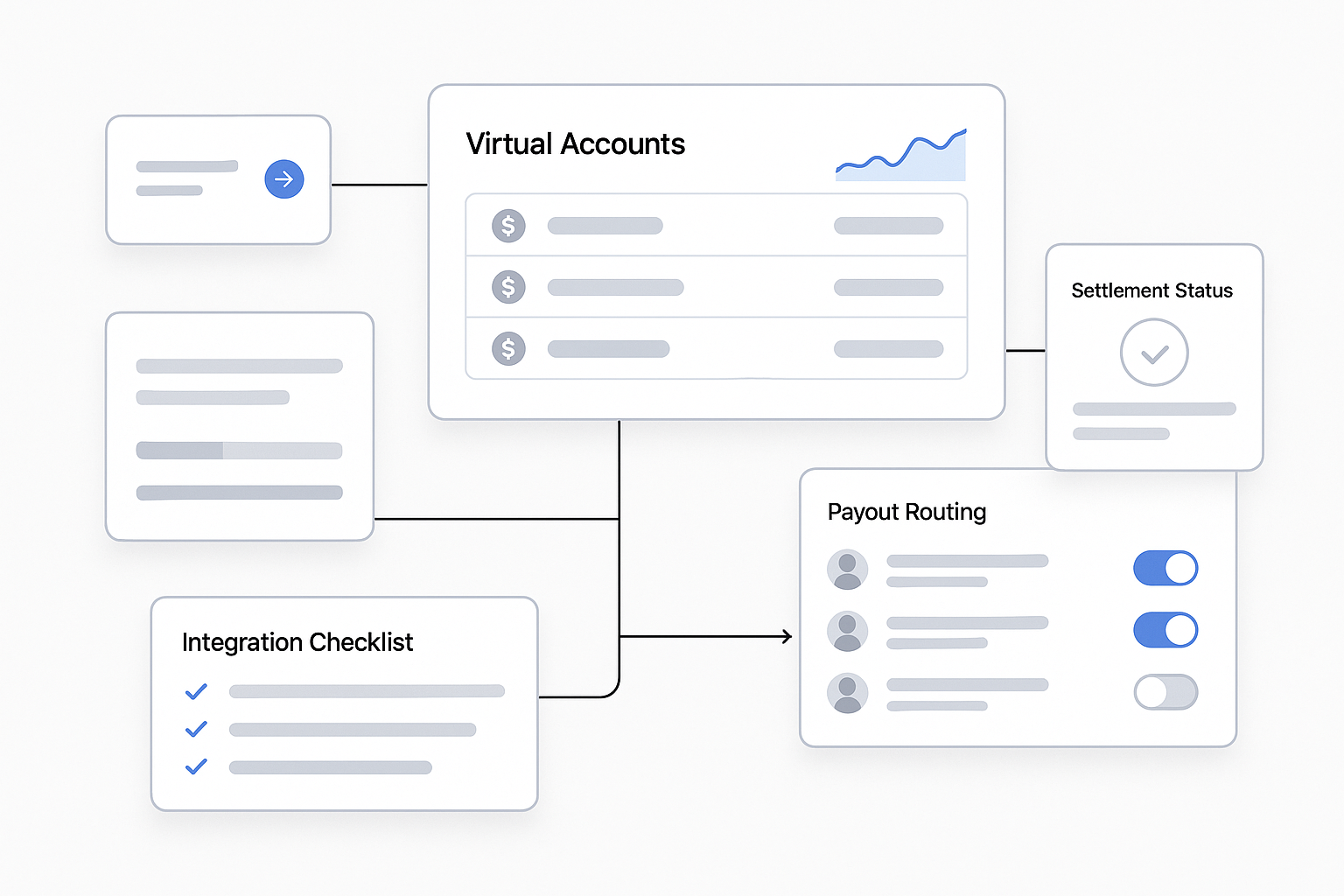
Radom is built for businesses that need virtual USD and EUR accounts in their business name, with payment and exchange tracking built into the operating flow. For teams that also need crypto collection, conversion, or payout workflows, that can reduce the number of separate tools involved in daily finance operations.
Compare Radom pricing and contact sales
What Radom is designed to do
Radom helps businesses accept, manage, and move money across crypto, stablecoins, open banking, and fiat account rails. On the virtual account side, the focus is on named accounts, cleaner accounting than pooled collection flows, and support for first-party and third-party incoming payments where available.
For teams with broader money movement needs, Radom also supports crypto on and off ramp workflows, crypto conversion, and mass payouts.
How to compare Radom with fintech payment infrastructure
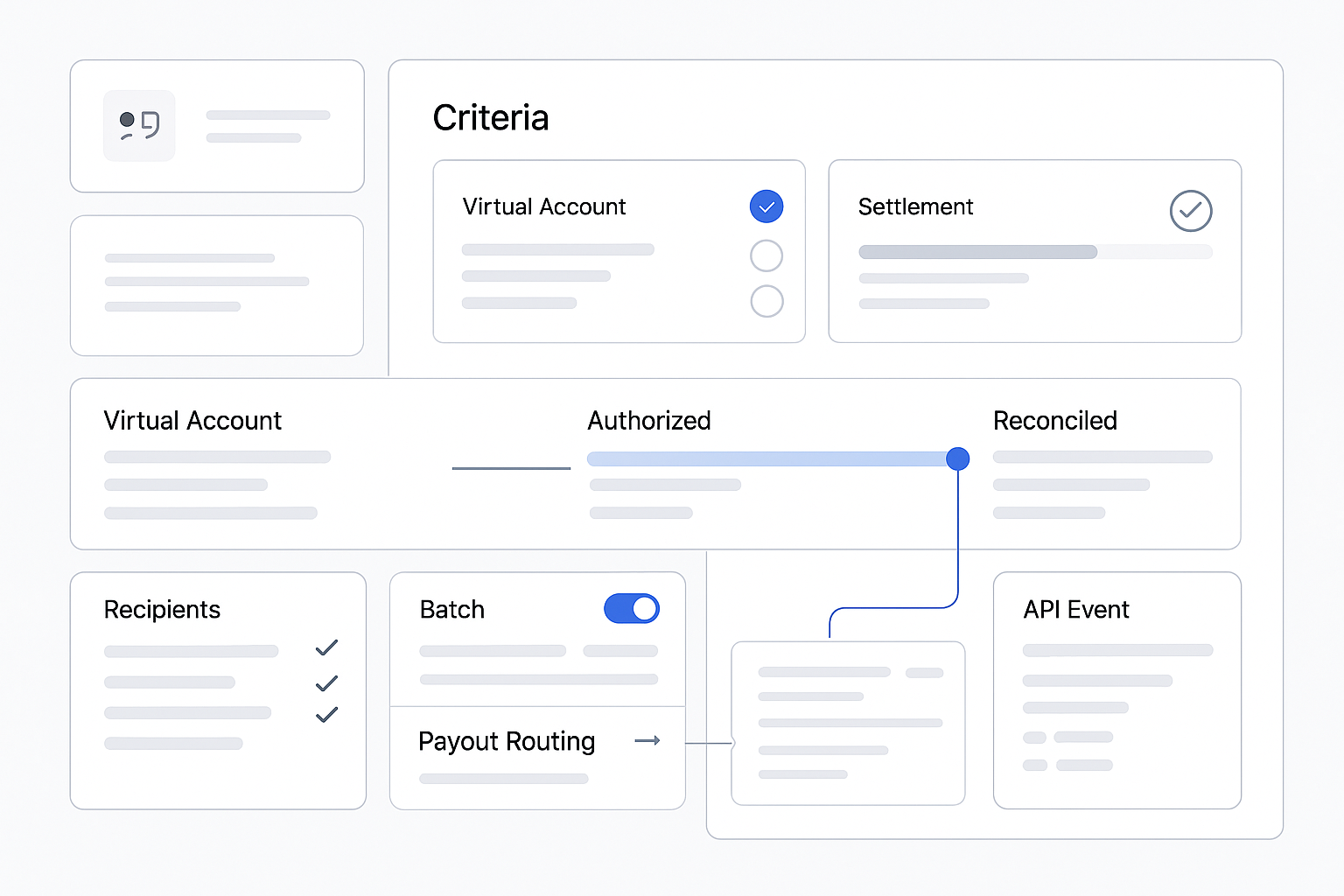
- Check collection structure. If you need named virtual USD or EUR accounts for inbound payments, Radom is designed for that use case.
- Check reconciliation needs. If your finance team needs clearer accounting than pooled collection flows, look at how payment and exchange records are surfaced.
- Check settlement paths. If collected funds need to move into crypto settlement or treasury workflows, evaluate how much manual work the platform removes.
- Check conversion and payout coverage. If your operations require currency conversion or downstream payouts, review whether those functions sit in one system or several.
- Check developer fit. If your team wants programmable payment infrastructure, review the API and docs before committing to a workflow.
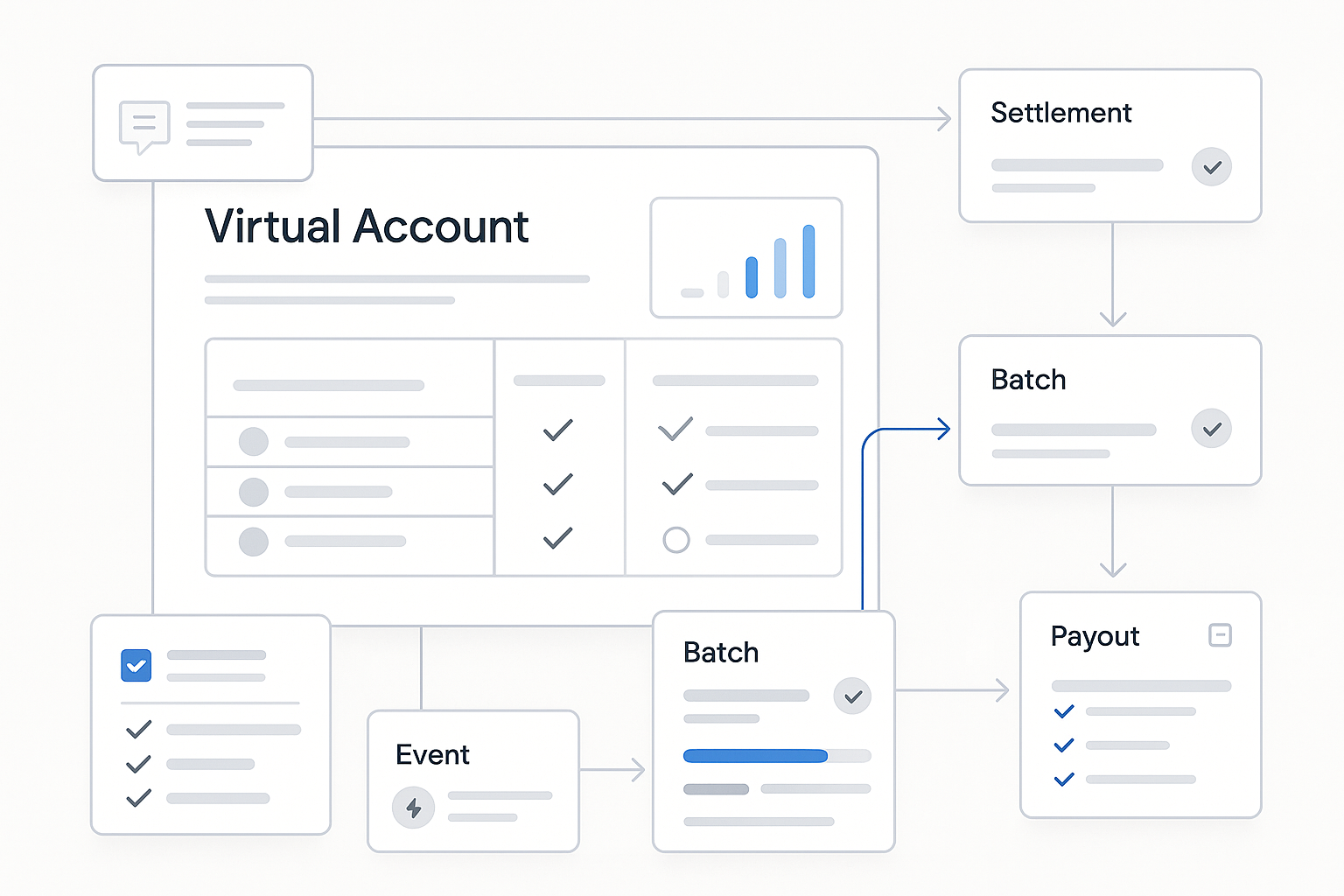
Where Radom removes work is in keeping collection, conversion, settlement, and payout operations in one place instead of stitching together separate tools for each step.
When Radom is a strong fit
Radom is a practical fit for fintech teams, platform operators, affiliate networks, creator businesses, SaaS companies, and other internet businesses that need more than a single account number. It is especially relevant when your workflow includes fiat collection, crypto settlement, conversion, or global payout operations.
For recurring revenue models, Radom also supports crypto billing and crypto invoicing. For payment acceptance flows, see crypto checkout and crypto payments.
What to ask before you choose a platform
- Can we use named virtual USD and EUR accounts for business collection?
- Can finance teams see payment and exchange records clearly enough for reconciliation?
- Can collected funds move into crypto settlement or treasury workflows without extra manual steps?
- Can we support payouts after collection, including fiat and crypto where needed?
- Can developers integrate the flow through API and docs without rebuilding the operational layer from scratch?
If your answer to those questions is not a simple yes, the platform is probably forcing too much manual work into finance ops.
Pricing and next step
Radom pricing is published for the core platform, with per-transaction pricing and no setup fees or monthly fees stated on the pricing page. If your volume or workflow is more complex, contact sales to confirm fit before implementation.
Review Radom pricing or talk to sales if you are comparing infrastructure for a live finance workflow.
Frequently asked questions
Is Radom a bank?+
No. Radom should be described as payment and money movement infrastructure. When discussing fiat accounts, open banking, or virtual accounts, keep the language precise and rail-specific.
What can Radom do for virtual accounts?+
Radom supports virtual USD and EUR accounts in a business name, with tracking for payment and exchange activity and support for settlement workflows where available.
Can Radom handle both fiat and crypto workflows?+
Yes. Radom is positioned for businesses that need to move between crypto, stablecoins, and fiat across collection, conversion, settlement, and payouts.
Where should developers start?+
Developers should start with the Radom docs and the product pages for the workflow they want to build.