When a hosted crypto checkout is the right choice
If you want to accept crypto payments without building a full payment interface, a hosted checkout is the fastest path to testing demand. It gives customers a clear payment flow while your team keeps control of the payment experience, status tracking, and settlement options.
Radom Checkout is designed for one-time payments and subscriptions. It is a practical fit for SaaS teams, digital businesses, marketplaces, affiliate operations, and subscription products that want to offer crypto payment options without adding unnecessary engineering work.
If you are deciding whether to build or buy, start with the question: do you need a checkout that is branded, reliable, and quick to launch? If yes, a hosted flow is usually the simpler option. For product and integration details, see crypto checkout.
What a hosted crypto checkout should do
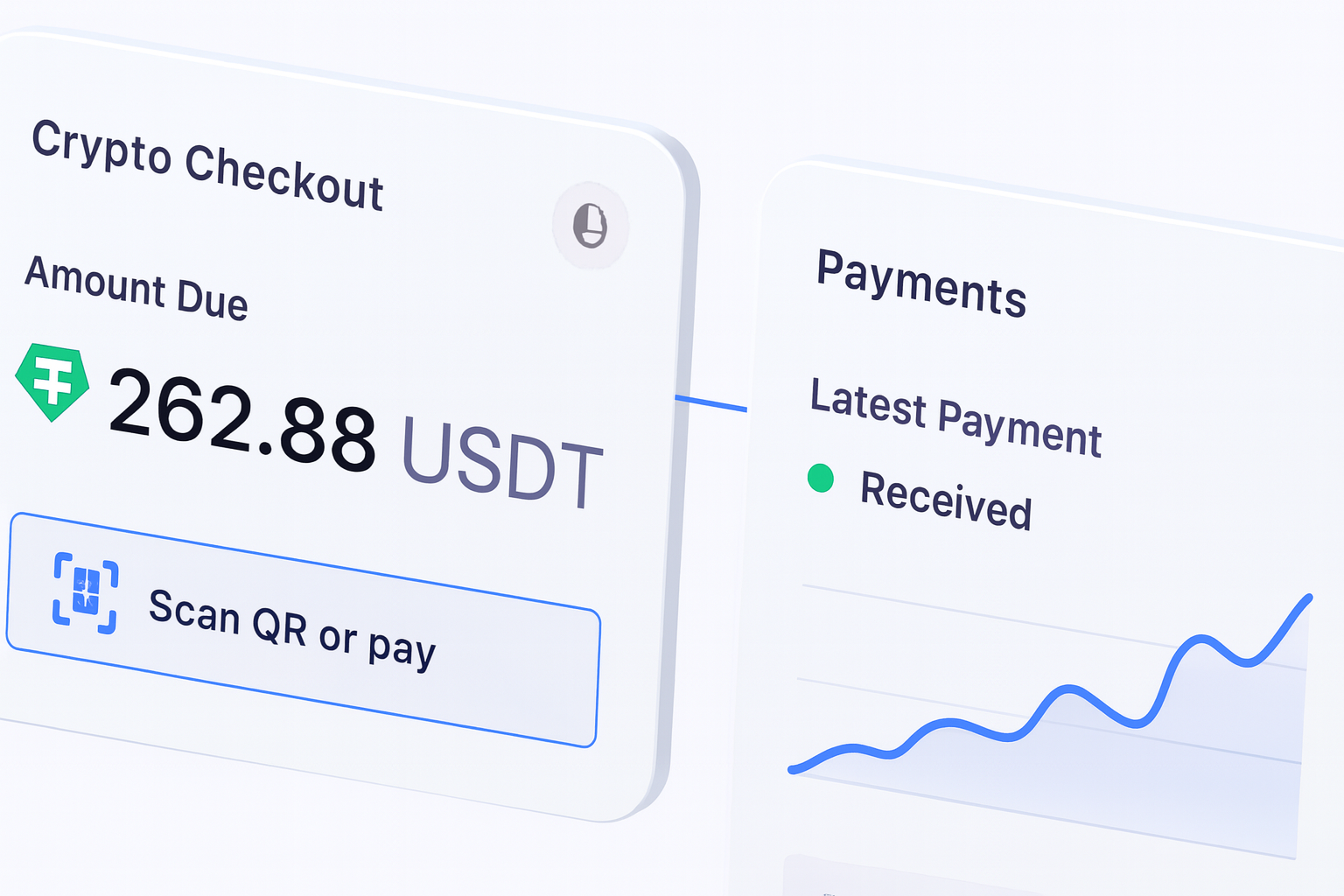
A useful hosted checkout should do more than collect a payment address. It should give buyers a clear payment flow, support the payment methods your customers actually use, and show reliable status updates so your team can reconcile transactions without manual follow-up.
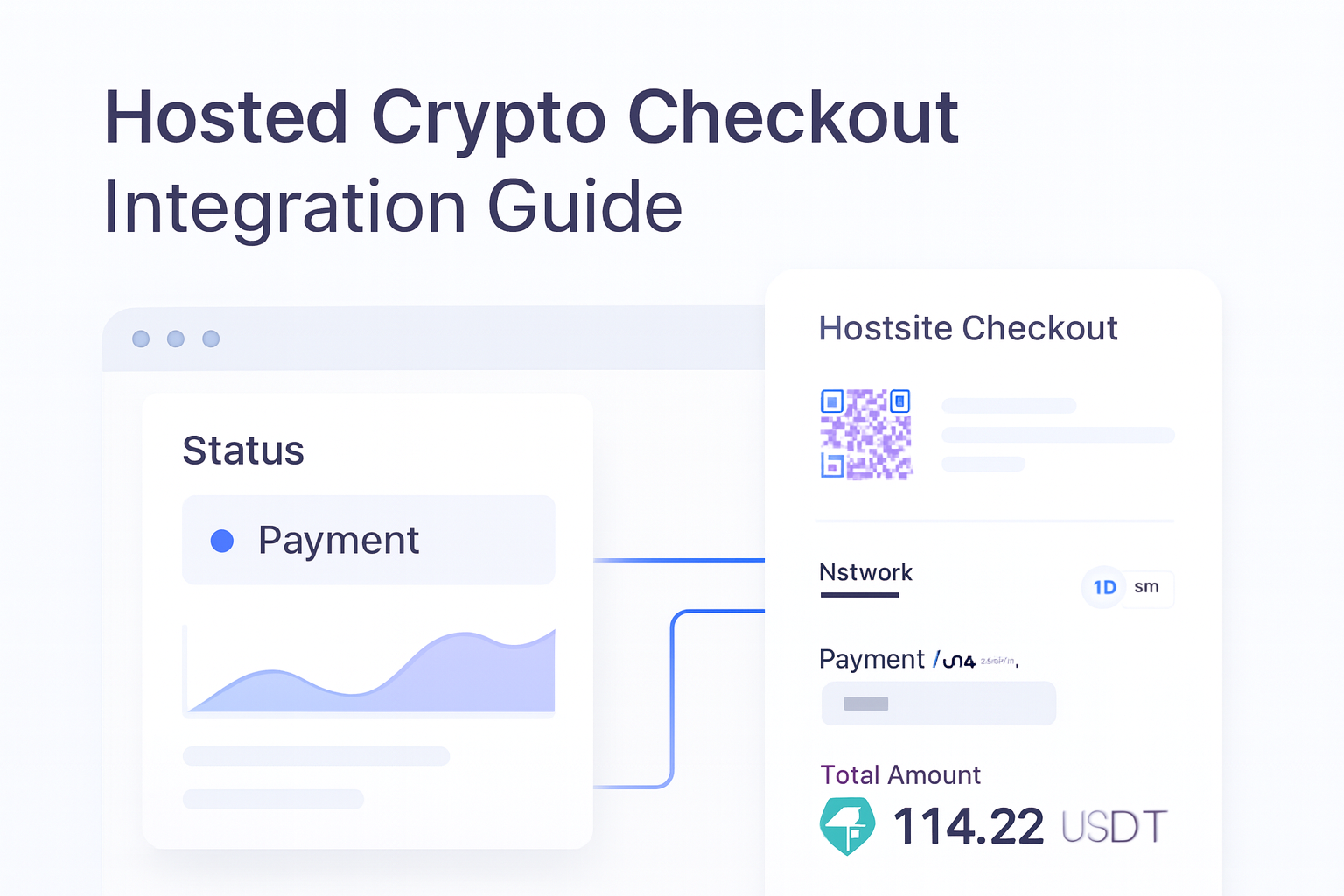
Radom says its checkout supports a clear hosted payment flow for one-time payments and subscriptions, with wallet support and reliable status updates. It also lets you match the checkout to your brand with custom colors, fonts, logo placement, product images, and payment settings.
How to integrate hosted crypto checkout
- Define the payment use case. Decide whether you are collecting one-time payments, subscriptions, or both.
- Set up the checkout in Radom. Configure the product, pricing, accepted assets, and branding settings in the dashboard.
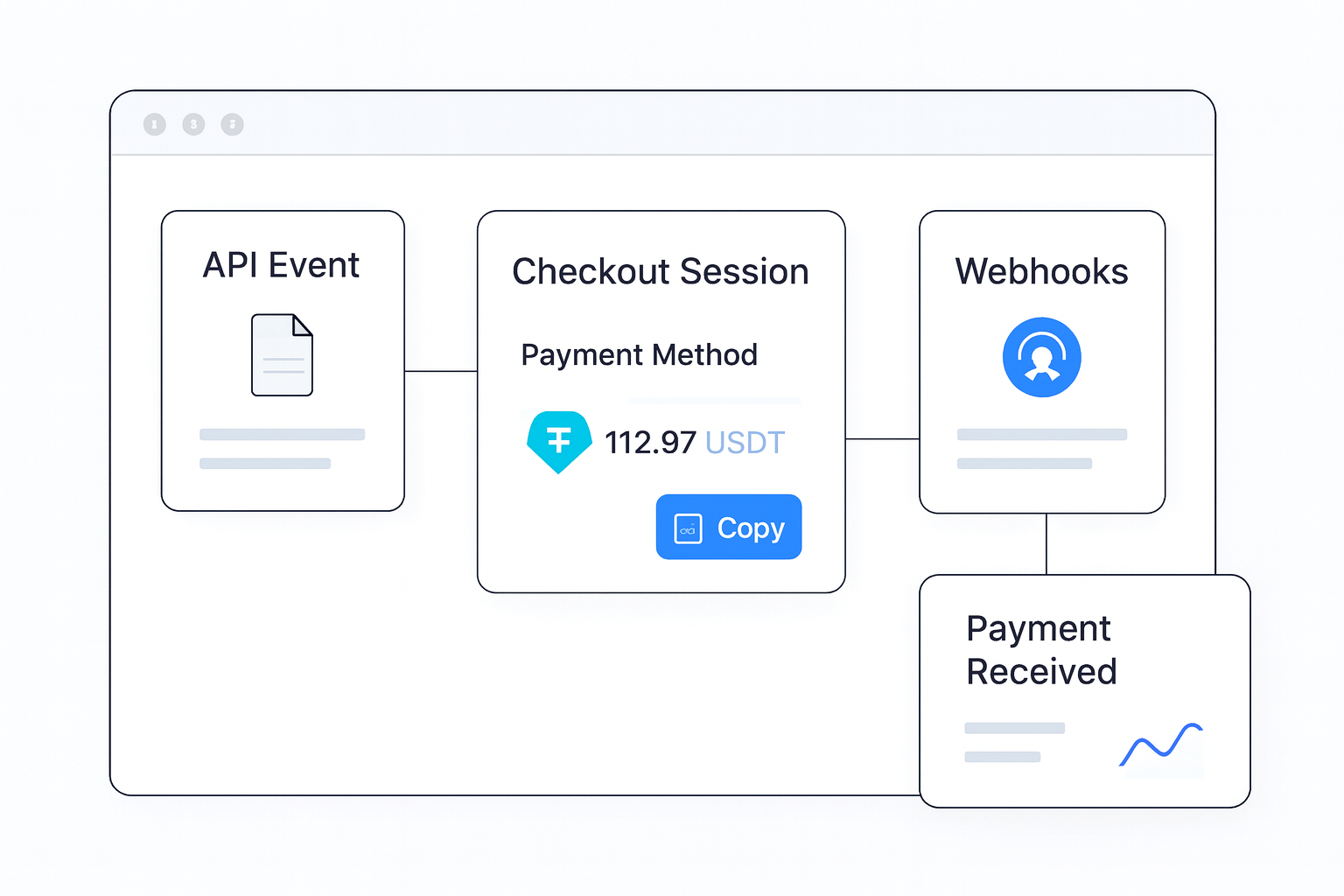
- Connect the checkout to your site or app. Radom describes the integration as requiring only a few lines of code.
- Test the payment flow end to end. Confirm the buyer sees a clear hosted page and that your team receives payment status updates.
- Choose your post-payment workflow. Decide whether funds should remain in balance, be converted, or be withdrawn according to your operating process.
For teams that want to move quickly, this is the main advantage of hosted checkout. Radom removes the need to design and maintain a custom payment interface, while still giving you a branded payment page and API-led control over the flow.
Where Radom removes work
Building a payment page from scratch usually means handling branding, wallet support, status tracking, payment states, and edge cases across devices. Radom reduces that surface area by providing a hosted checkout that already handles the payment flow.
That matters for operators who want to launch without waiting on a long engineering cycle. It also matters for finance teams that need clear payment status information and a cleaner path to reconciliation.
Radom also supports more than one payment motion across its product suite. If your use case extends beyond checkout into recurring billing, invoices, or payment links, you can keep the payment stack in one place rather than stitching together separate tools.
What to test before going live
Before you publish a hosted checkout to customers, test the parts that affect conversion and operations:
- Branding and layout on desktop and mobile
- Accepted assets and payment settings
- One-time payment and subscription behavior
- Status updates after payment submission
- How payments appear in your dashboard for finance review
If you need a simpler no-code payment collection flow, compare checkout with crypto payment links. If you are planning to accept crypto across multiple product paths, review crypto payments and the current pricing.
Who should use hosted checkout
Hosted checkout is a good fit for teams that want to accept crypto payments without turning the payment page into a product project. It is especially useful for founders validating a new payment option, payments teams that need a controlled launch, and platform operators that want a branded flow with less engineering overhead.
For developers, the main benefit is speed. For finance teams, it is clarity. For founders, it is a straightforward way to test whether crypto payments improve conversion or open a new customer segment.
Next step
If you are evaluating hosted crypto checkout integration, the fastest way to judge fit is to test the flow in the Radom dashboard. From there, you can decide whether to stay with checkout alone or expand into billing, invoices, payment links, or broader crypto payment workflows.
Contact sales if you want to discuss a higher-volume or more complex implementation.