
American Bitcoin's Treasury Swells to 6,500 BTC, Reflecting Growth in Mining Operations
As American Bitcoin Corp, supported by the Trump family, reveals a significant increase in their Bitcoin holdings to 6,500 BTC, they not only demonstrate a robust confidence in their operational strategy but also solidify their position as the 17th largest corporate holder of Bitcoin globally. This move, accompanied by an aggressive expansion including the acquisition of 11,298 ASIC mining machines, underscores a strategic bet on future market dynamics while highlighting the growing trend of stockpiling cryptocurrency assets among mining companies.
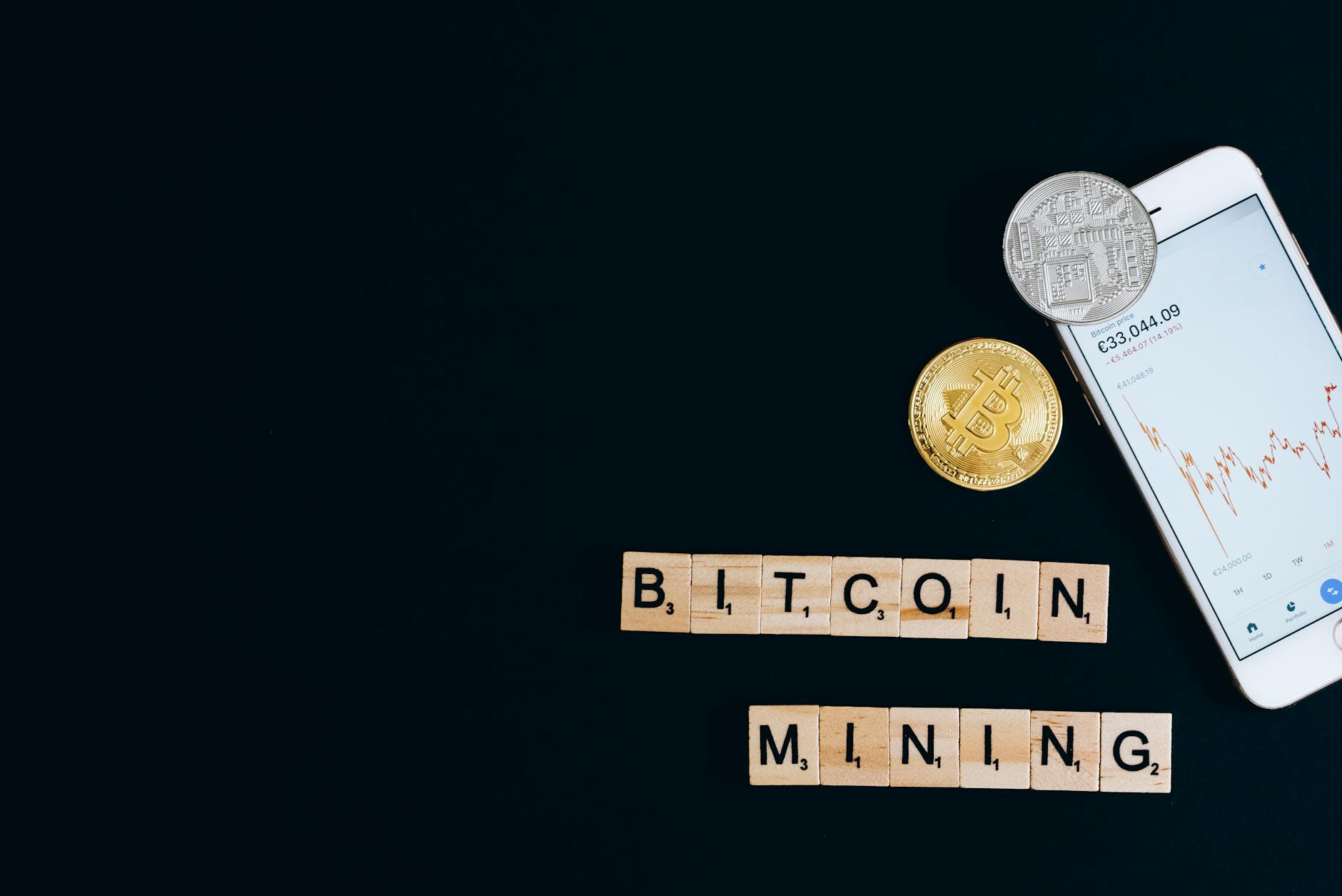
When American Bitcoin Corp, a Trump family-backed enterprise, recently divulged that its Bitcoin treasury had ballooned to 6,500 BTC, it wasn't just flaunting financial heft. The detail here is that the company racked up over 500 Bitcoin in merely three weeks, a sprint that undeniably shouts confidence in its operational strategy and bullish sentiments on Bitcoin's value. This accruement, valuing approximately $465 million with Bitcoin prices hovering around $71,500, is a significant play, positioning the firm as about the 17th largest corporate Bitcoin holder worldwide.
This strategic reserve buildup, as reported by Crypto Briefing, coincides with an aggressive expansion in the company’s mining capabilities, including a notable acquisition of 11,298 ASIC machines. These additions are expected to thrust the company's computational power by roughly 3.05 exahash per second. For those less familiar with the nitty-gritty of crypto-mining, let's just say that’s a lot of firepower to solve Bitcoin blocks and secure crypto bounties.
The practice of stockpiling mined Bitcoin, rather than converting it directly to fiat to cover expenses, isn't just a blip on the crypto radar. It's becoming a pronounced trend among mining operations who seem to be playing the long game, betting on future price surges outweighing the immediate liquidity benefits. While this could be seen as a bullish sentiment, it also introduces an elevated risk profile - higher potential rewards tethered tightly to proportional risks.
Interestingly, while the company’s shares spiked over 13% following the announcement, they still linger depressingly over 90% below last year's peak. This stark contrast might be dissecting investor sentiment, dissecting enthusiasm for operational growth against a backdrop of cautious, broader market dynamics. Moreover, it poses intriguing analytical fodder on the alignment - or misalignment - between operational success and stock market performance.
Expansion isn’t solely about adding hardware. The strategic deployment of this new arsenal at its Drumheller facility in Alberta suggests a meticulous orchestration of logistics, energy sourcing, and perhaps, a favorable regulatory environment. Alberta, after all, has been courting various tech giants with its comparatively lax regulatory frame and enticing tax advantages. This geographical maneuver might just be as crucial as the operational scale-up.
In contexts like these, understanding the interplay between crypto reserves and traditional financial metrics becomes crucial. For example, a recent Radom Insights post highlighted a fintech index downturn, suggesting a broader tech and financial apprehensiveness that could temper the perceived boon of American Bitcoin’s reserve strategy.
Moreover, these operational and strategic expansions are not void of implications for services like those provided by Radom, specifically in areas of crypto on- and off-ramping, where increased mining capabilities could necessitate more robust, scalable solutions to handle heightened transaction volumes.
In essence, American Bitcoin’s aggressive Bitcoin accumulation and mining expansion is a microcosm of larger industry trends where companies are increasingly betting on their operational efficiencies and market strategies over immediate liquidity. It’s a high stakes game of financial brinkmanship where the chips are down on a bullish crypto future. But as with all forms of gambling, the house - in this case, market volatility and regulatory shifts - always has an edge.
To those navigating these turbid waters, a mixture of caution, strategy, and perhaps a dash of audacity might just be the necessary toolkit. For American Bitcoin and its ilk, the future isn't just about mining Bitcoin; it's about strategically positioning amidst looming financial tempests and burgeoning technological tides.
Exploring how this affects your payment flow?

