
Binance introduces a new covered call strategy to cater to Bitcoin investors seeking additional yield opportunities.
Binance has introduced BTC Yield, a new financial product allowing Bitcoin investors to engage in covered call strategies, a sophisticated trading tactic previously reserved for traditional markets. This move not only offers an additional income stream without having to sell any Bitcoin but also aligns cryptocurrency investment strategies more closely with established financial practices, potentially increasing its appeal to a broader range of investors.
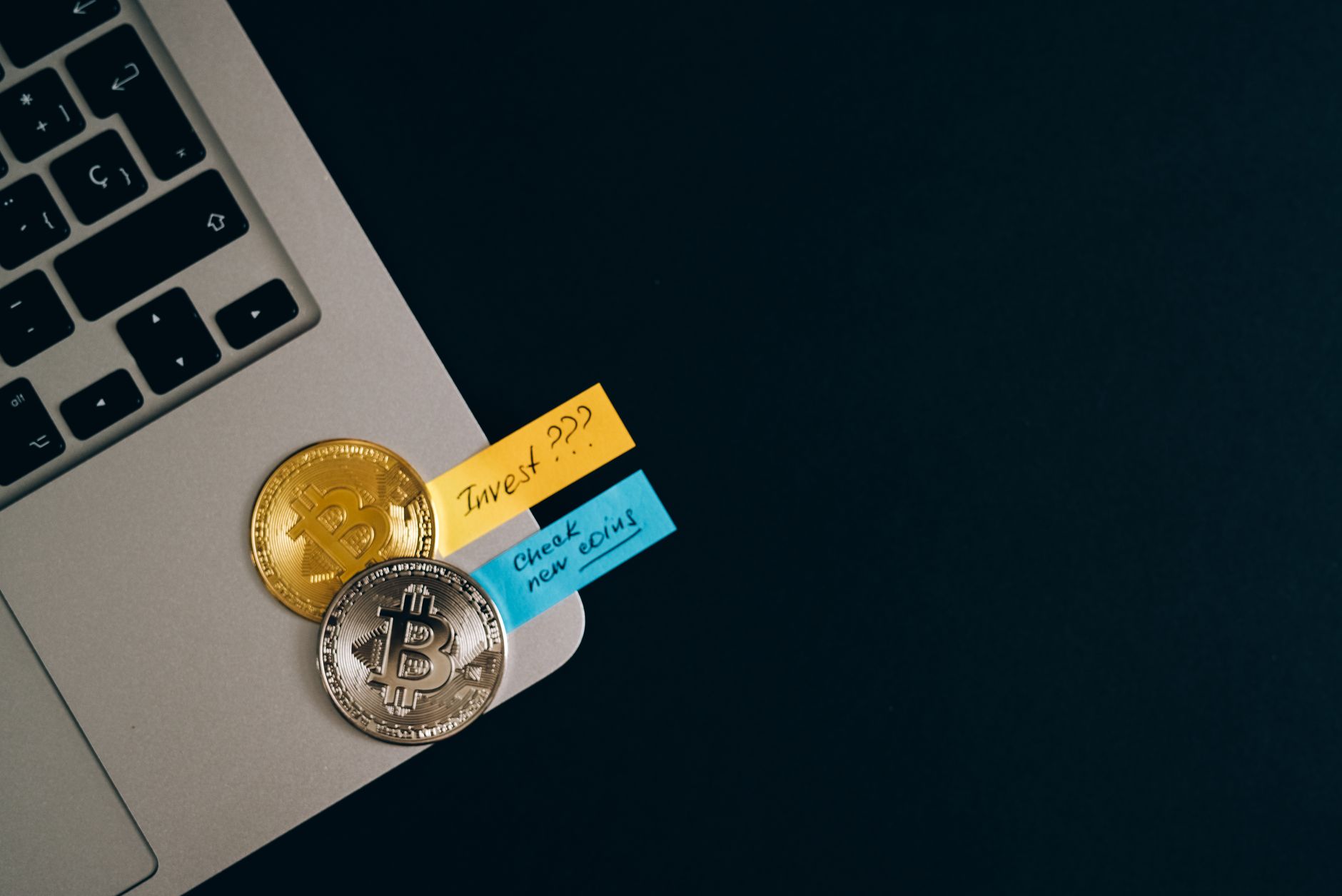
In a move that cleverly blends traditional finance strategies with the burgeoning field of cryptocurrency, Binance has launched a new covered call option for Bitcoin holders. This product, BTC Yield, offers a potentially lucrative earning stream without requiring users to part with their digital assets. Binance's initiative, as detailed recently on CoinDesk, reflects a growing trend: the adaptation of conventional investment strategies to suit the crypto market's unique characteristics.
Effectively, Binance is allowing Bitcoin investors to write call options against their holdings, which means they agree to sell Bitcoin at a predetermined price if it rises to that level by a certain date. In return, they receive a premium, which provides immediate liquidity without actually selling any underlying Bitcoin. This strategy, while common among seasoned traders in the stock market, introduces a more sophisticated financial maneuver to the crypto sphere, traditionally dominated by straightforward buying and selling tactics.
This development is significant for several reasons. Firstly, it democratizes sophisticated financial strategies, making them accessible to the everyday crypto investor without the need for deep technical knowledge of options trading. By handling the complexities internally, Binance removes a significant barrier to entry. This approach not only broadens the appeal of crypto investment but could also enhance its legitimacy and stability by aligning more closely with established financial practices.
Moreover, the move by Binance could be seen as a strategic response to the evolving regulatory landscape surrounding cryptocurrencies. As governments and financial bodies scrutinize the crypto world more closely, the integration of traditional finance mechanisms might make digital currencies more palatable to wary regulators and investors alike. This blend of innovation with tradition could be a savvy way to broaden crypto's mainstream appeal while cushioning it against potential regulatory crackdowns.
However, despite the attractiveness of earning potential through covered calls, investors should be aware of the risks involved. The primary risk is that in the event of a significant price increase, the holder is obligated to sell their Bitcoin at the strike price, potentially missing out on considerable gains. This trade-off between earning premiums and potentially capping gains highlights the necessity for strategic decision-making in crypto investments.
From a broader perspective, Binance's new offering could pave the way for more complex financial products in the crypto space. As the market matures, the demand for more diverse financial instruments could lead to innovations that might one day mirror the variety and sophistication seen in traditional financial markets. This could mean more hedging options, derivatives, or bond-like securities backed by cryptocurrencies, which could further integrate crypto with mainstream financial operations. An understanding of these potential developments is crucial for organizations looking to offer or expand payments using crypto.
Ultimately, Binance's introduction of a covered call strategy for Bitcoin investors is more than just another service. It’s a testament to the evolving intersection between fintech and traditional finance, offering a glimpse into how crypto might continue to integrate into broader, more regulated financial landscapes. This move might not only encourage current investors to engage with their holdings in new ways but could also attract a segment of conservative investors who have been waiting on the sidelines for more familiar financial products. As the crypto market continues to mature, the blending of old and new school finance may well be a trend that defines the next phase of cryptocurrency adoption.