
Controversial Update: New AI Tool Gives Writing Feedback by Mimicking Deceased Scholars
Grammarly's new AI-powered Expert Review feature, which simulates feedback from deceased scholars, stirs significant ethical and legal controversies about identity rights and AI use in education. Critics argue this approach crosses from homage into exploitation, highlighting urgent needs for regulatory updates as AI applications proliferate across sectors.
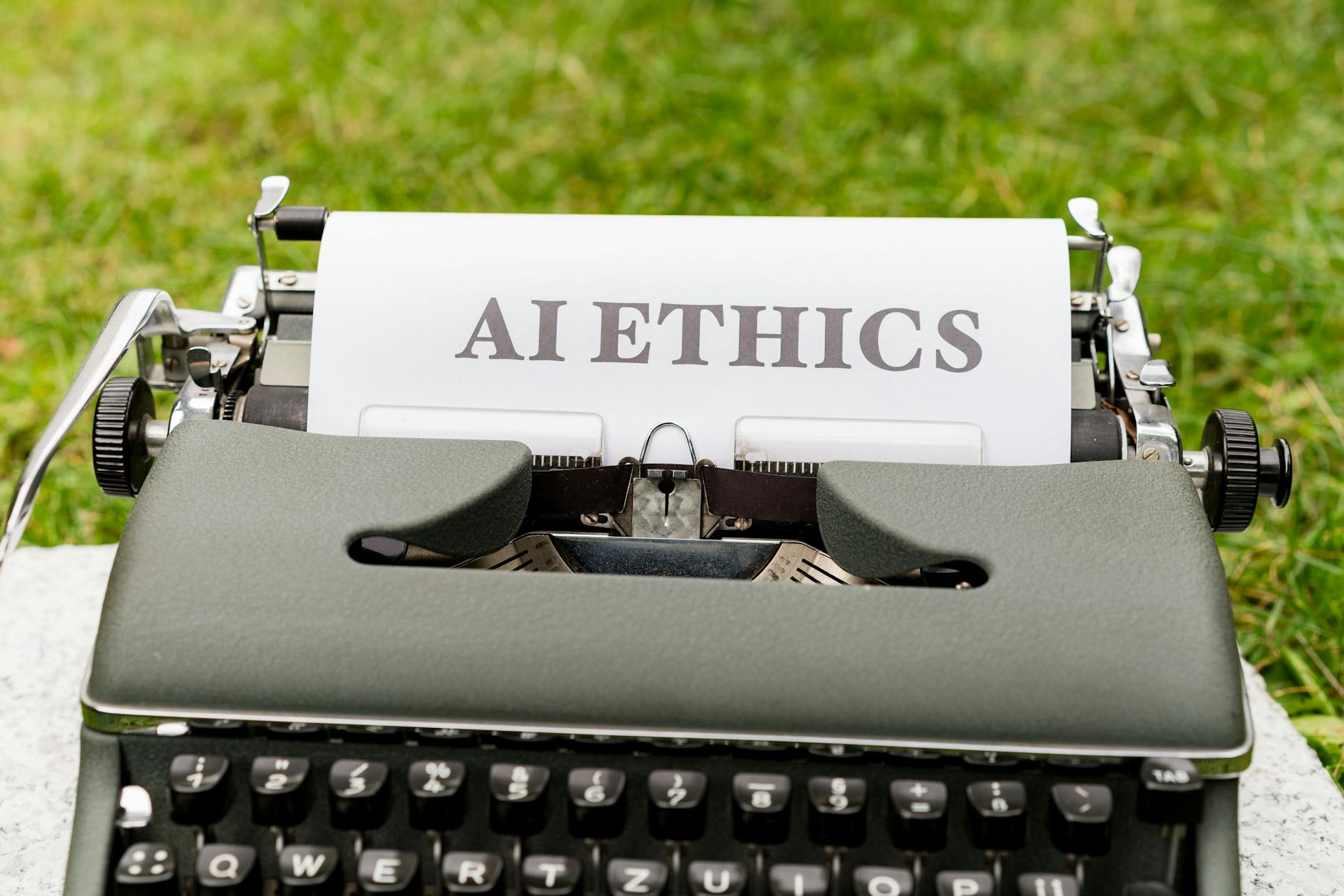
Grammarly, under its new Superhuman branding, has launched an AI feature, Expert Review, that produces writing feedback as if from the minds of various scholars-some of whom have long since passed away. The initiative raises substantial ethical and legal questions regarding identity rights after death and the proper use of AI in educational tools.
The feature in question leverages large language models to generate feedback supposed to mimic the expertise and perspective of selected scholars, citing their publicly available and widely-referenced works. While the idea might seem innovative on the surface, it delves into murky waters concerning consent and intellectual property. This isn’t merely about helping students or professionals hone their writing skills; it's about whether a company should repurpose the identities and life’s work of individuals who are no longer alive to approve or disapprove their names being catapulted into contemporary AI-driven profit schemes.
The concept of using deceased individuals’ work is not new. From classical music samples in modern tracks to biographies that delve into the intricate lives of past figures, society has always had a way of keeping the contributions of its predecessors alive. However, the direct attribution of AI-generated advice to specific, deceased experts without explicit permission veers away from homage into exploitation. This is a concern echoed by Vanessa Heggie, professor of history at the University of Birmingham, who described Grammarly’s actions as "obscene" in her commentary on LinkedIn.
From a legal standpoint, the post-mortem right-where applicable-might protect an individual's likeness or intellectual property from unauthorized commercial use after death. However, the specifics can vary dramatically between jurisdictions, and the current legal frameworks were likely not designed to rule over AI-generated content. This grey area leaves much room for ethical debate and potential legal reform as technology advances.
Furthermore, from an educational perspective, there’s the issue of authenticity and reliability. How accurately can an AI truly replicate the expert analysis of Margaret Sullivan or Lawrence Lessig? While the underlying technology might analyze and regurgitate data based on their past works, it certainly can’t evolve or incorporate new thoughts or considerations that the actual human might have had if they were reviewing the work themselves. Thus, users might be getting a distilled and potentially outdated version of the expert’s actual views.
Educational tools should aim to supplement, not supplant, the learning process. While Grammarly seeks to democratize access to expert advice, the method of execution-using deceased scholars’ names and works-could undermine trust in AI tools within the academic community. Brielle Harbin’s criticism points towards a broader issue: the deployment of such tools without thorough engagement with educational stakeholders fosters skepticism rather than enthusiasm.
In conclusion, Grammarly’s Expert Review feature, though rooted in the noble goal of improving writing through expert feedback, dances on a fine ethical line regarding consent and identity use. The tech industry must navigate these challenges thoughtfully, ensuring that innovation does not trample on the rights and legacies of individuals. As this technology evolves, so too must our legal and ethical frameworks to address these new realities adequately. Failing to do so could lead to a chilling effect on the integration of AI in educational tools, something that could otherwise offer substantial benefits if managed responsibly.
In our own analysis at Radom regarding the deployment of AI in fintech-the principles remain strikingly similar. As discussed in our recent post on Stripe’s approach to autonomous commerce, the interplay between advancement and ethical application serves as a continuous balancing act. This scenario with Grammarly and its Expert Review feature just further underlines the urgency for more comprehensive dialogue and regulation surrounding AI applications across all sectors, not just fintech or education.
Exploring how this affects your payment flow?

