
Marco Rubio indicates ongoing US-Iran deal negotiations may extend over several days amidst persistent military actions.
As US-Iran negotiations potentially near conclusion, global markets, including oil, equities, and cryptocurrencies, react with cautious optimism, influencing investment strategies and market dynamics. The unfolding situation, especially concerning the strategic Strait of Hormuz, could significantly impact global oil supplies and financial markets, warranting close attention from investors and financial platforms.
In a recent statement, Secretary of State Marco Rubio indicated that the ongoing negotiations between the US and Iran could extend over a few days, amid a backdrop of strategic military actions by US forces. These developments occur amidst the complex geopolitical dance that significantly influences not just regional politics but also global markets, including oil, equities, and notably, cryptocurrencies.
The crux of the ongoing US-Iran negotiations is centered around establishing a ceasefire that could last between 45 to 60 days, intended as a period to de-escalate tensions and address larger issues like reopening the critical Strait of Hormuz and setting limits on Iran's nuclear capabilities. This negotiation unfolds while the Strait of Hormuz, a vital artery for the global oil trade handling about 20% of oil movements, remains a tense zone highlighted by recent US military strikes. The potential reopening of this trade route is pivotal, as it could significantly alleviate disruptions in global oil supplies.
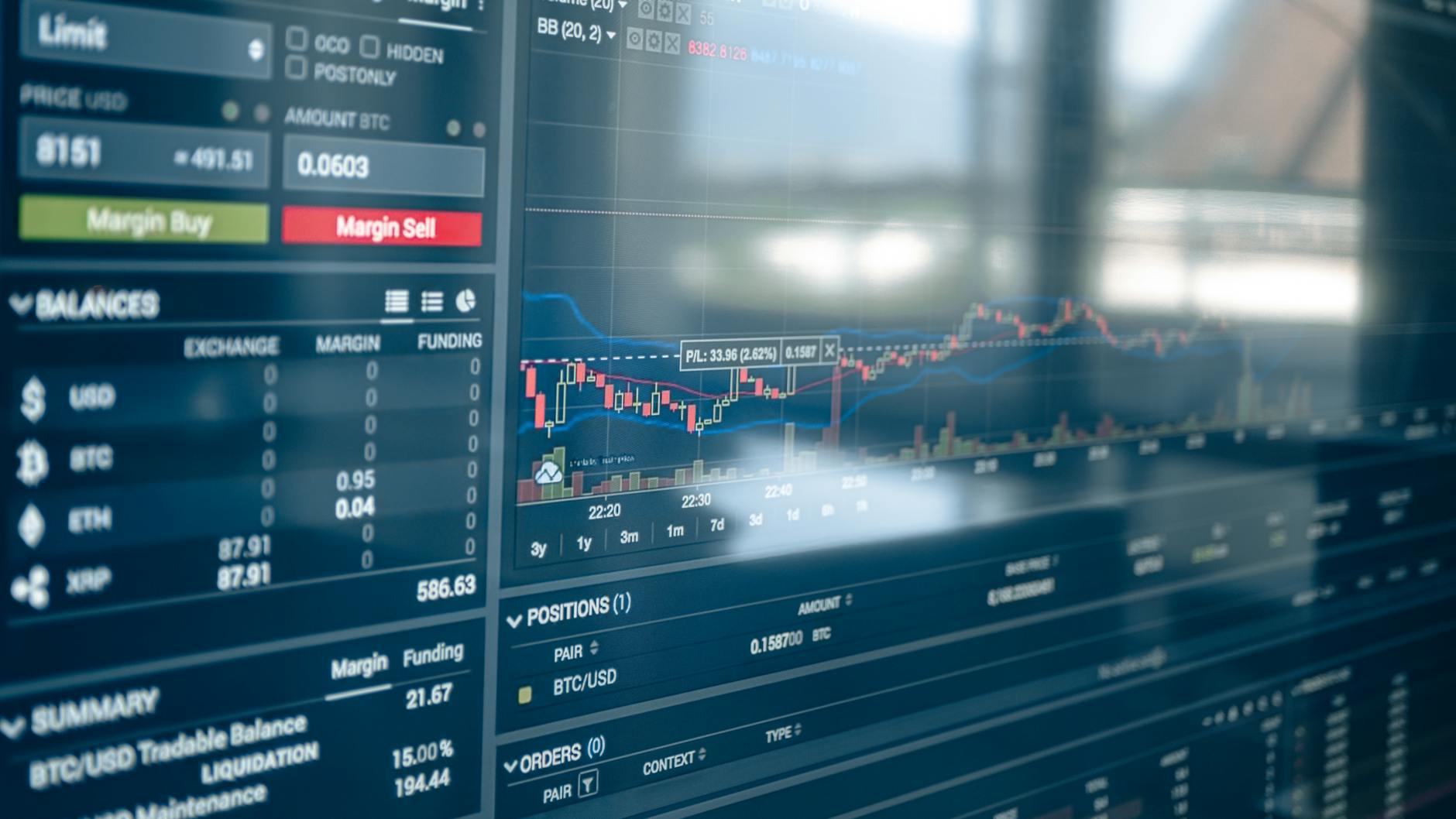
Interestingly, the implications of these geopolitical movements extend beyond oil and touch the realms of equity and cryptocurrency markets. Following the cautiously optimistic outlook on negotiations, global stock indexes responded positively, and there was a noticeable fluctuation in Bitcoin prices, which danced between $71,000 and $77,000 as reported by Crypto Briefing.
This price volatility in Bitcoin underscores the broader impact geopolitical events can have on cryptocurrencies. The Strait of Hormuz's significance in global oil logistics directly ties it to inflation expectations and, by extension, to central banking policies worldwide. These policies invariably influence liquidity conditions, a crucial driver for cryptocurrency valuation and investor sentiment. Hence, any potential easing of tensions and the ensuing stabilization of trade through the Strait could create a more predictable environment for crypto investors.
Moreover, there's the aspect of sanctions relief, which historically has seen countries under sanctions increase their reliance on cryptocurrencies as a way to circumvent economic barriers. A comprehensive deal with Iran, which might include some form of sanctions relief, could potentially shift certain volumes of Iranian economic activity towards cryptocurrencies. This is a dynamic that crypto investors and fintech platforms should monitor closely, considering that such shifts could open up new avenues for cryptocurrency usage and adoption.
For fintech platforms, especially those involved in providing on- and off-ramping solutions, these geopolitical events offer a cue to assess potential impacts on transaction volumes and regional market dynamics. Firms like Radom, which facilitate smooth transitions between fiat and crypto through their services, need to stay abreast of these developments to adapt their offerings in response to shifting global economic landscapes.
As these negotiations potentially draw to a close in the coming days, stakeholders in various sectors - from global finance to fintech and cryptocurrency - will be watching closely. The outcomes could dictate market sentiments and strategic positioning for the next quarter, if not longer. It is a reminder of the intricate links between geopolitical stability and the increasingly interconnected domains of global finance, including the burgeoning sphere of cryptocurrencies.
In conclusion, while the immediate focus might be on the potential ceasefire and the broader geopolitical implications, the ripples across global markets, particularly in crypto, highlight the need for vigilant analysis and strategic flexibility among investors and fintech platforms alike.
Exploring how this affects your payment flow?

