
SoFi Partners with BitGo to Facilitate the Launch of Its New Stablecoin, SoFiUSD
SoFi Technologies' partnership with BitGo Bank & Trust to launch the SoFiUSD stablecoin marks a strategic blend of traditional banking stability with blockchain efficiency, aiming to reshape the financial landscape by offering secure, fiat-backed digital currency solutions. This collaboration leverages BitGo's Stablecoin-as-a-Service platform, ensuring regulatory compliance and broad adoption across digital exchanges and financial services, potentially setting a new standard for crypto payments within mainstream finance.
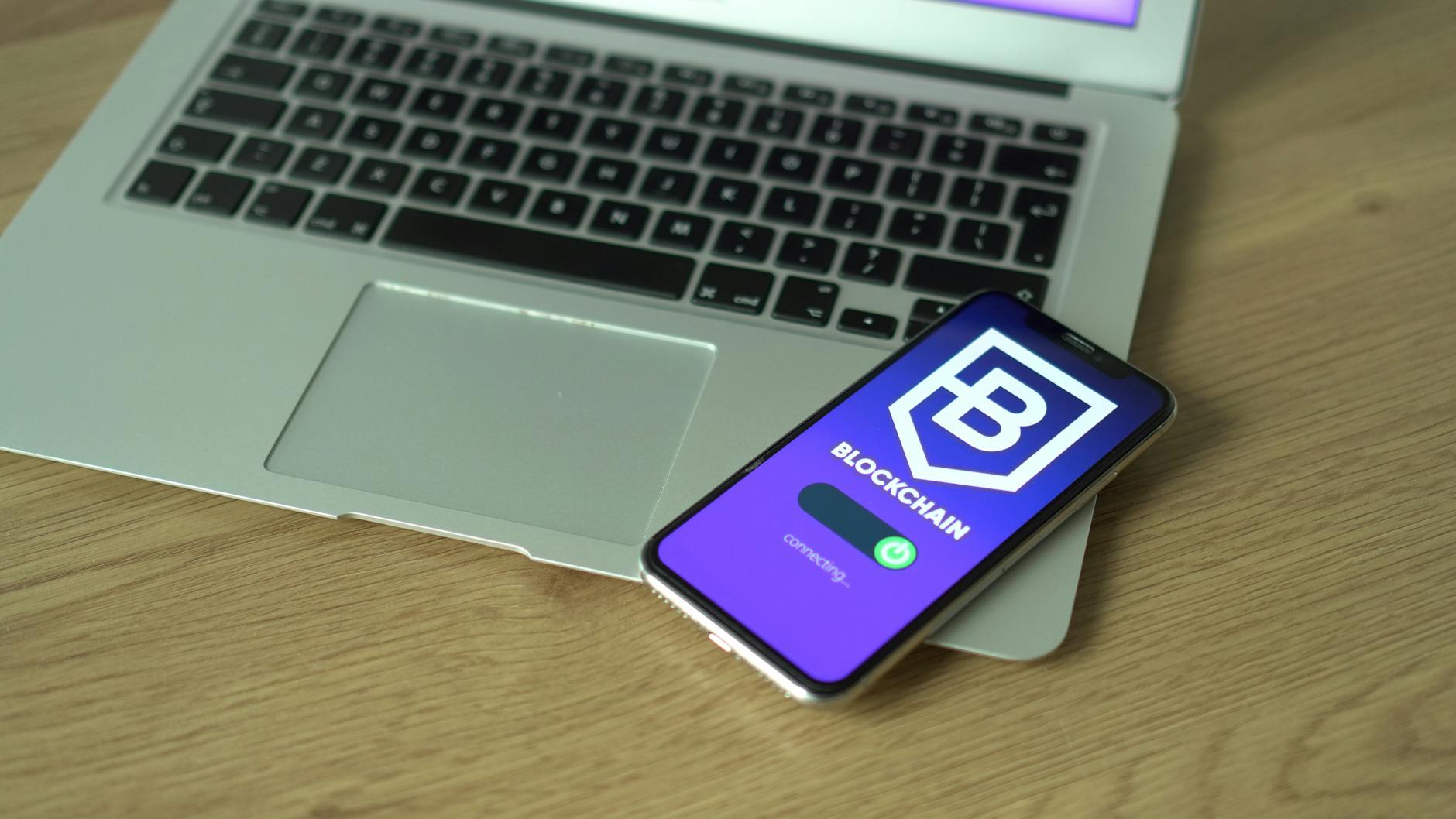
SoFi Technologies has teamed up with BitGo Bank & Trust to roll out its latest venture in the digital finance arena: the SoFiUSD stablecoin. By choosing BitGo, a stalwart in robust blockchain solutions, SoFi aligns itself with a partner known for delivering secure and compliant blockchain infrastructures. This partnership isn't just about launching another digital coin into the market; it's about weaving the stability of traditional banking with the nimbleness of modern blockchain technology.
Under the hood of this collaboration is BitGo's Stablecoin-as-a-Service platform, which promises to ease the operational burdens of launching and managing a stablecoin while ensuring it adheres to regulatory requirements. The choice of BitGo by SoFi, according to Crypto Briefing, is pivotal in deploying a scalable and secure infrastructure needed for the broad adoption of SoFiUSD across various digital assets exchanges, wallets, and potentially even mainstream financial services. It’s an interesting play, positioning the SoFiUSD almost like a utility infielder in baseball - versatile, reliable, and indispensable for smooth operations.
The primary allure of SoFiUSD lies in its ability to function akin to a tokenized bank deposit, offering on-demand redemption and near-instantaneous value transfer over public blockchains. This characteristic is particularly enticing for enterprises that require fast and reliable settlement solutions for international transactions, a niche that traditional banking has often found challenging. Further integrating this stablecoin into SoFi’s own financial technologies as well as its subsidiary, Galileo Financial Technologies, SoFi is prepared not just to participate in the digital economy but to actively shape its architecture.
What this tells us is that the intersection of regulatory compliant banking services with blockchain technology is not just feasible, it’s already on the freeway, accelerating. The introduction of SoFiUSD is a testament to the evolving financial landscape where the stability of a fiat-backed instrument and the efficiency of blockchain technology are no longer seen as distinct paths, but as converging roads leading to a unified financial ecosystem. This strategy also represents a significant pivot towards adopting payments using crypto, which suggests a healthy future for crypto integration across diverse financial operations.
However, embracing such cutting-edge technology isn't without its challenges. The dual demand of maintaining rigorous compliance with banking regulations while also pushing the envelope in blockchain innovation is like juggling swords. One slip and it could wound. It requires a fine balance, high standards of operational security, robust legal frameworks, and a seamless technological execution. The role of BitGo here cannot be overstated - as a bridge between the sturdy world of regulated finance and the dynamic realm of blockchain, it serves as a foundational pillar for SoFi's foray into stablecoins.
The broader implication of SoFi's move into stablecoins via SoFiUSD, backed by traditional banking yet powered by blockchain, should resonate well beyond its immediate impact on crypto payments. As stablecoins continue to gain traction as reliable conduits for everything from trading to lending to paying your coffee shop bill, the importance of such hybrid financial instruments in the global economy's future cannot be overstated. They offer a glimpse into a world where financial operations are not only faster and cheaper but also baked with the trust and security that comes from traditional banking.
This convergence, if successful, could set a benchmark for how traditional financial institutions can leverage blockchain without sacrificing compliance and reliability. It’s a bold move for SoFi and a clear signal that in the financial world, the future isn’t just coming; it’s already here. And it is as stable as it is dynamic, wrapped securely within the blockchain.
Exploring how this affects your payment flow?

