
Tether Invests in AI-Driven Health Tech Firm Eight Sleep, Valued at $1.5 Billion, to Enhance Technological Capabilities in Health Sector
Tether's strategic investment in Eight Sleep marries cryptocurrency with health technology, aiming to revolutionize personal health management by integrating secure, AI-powered smart mattress systems. This pioneering move not only underscores the expanding influence of crypto platforms across various sectors but also highlights the growing need for robust data security measures in health tech innovations.
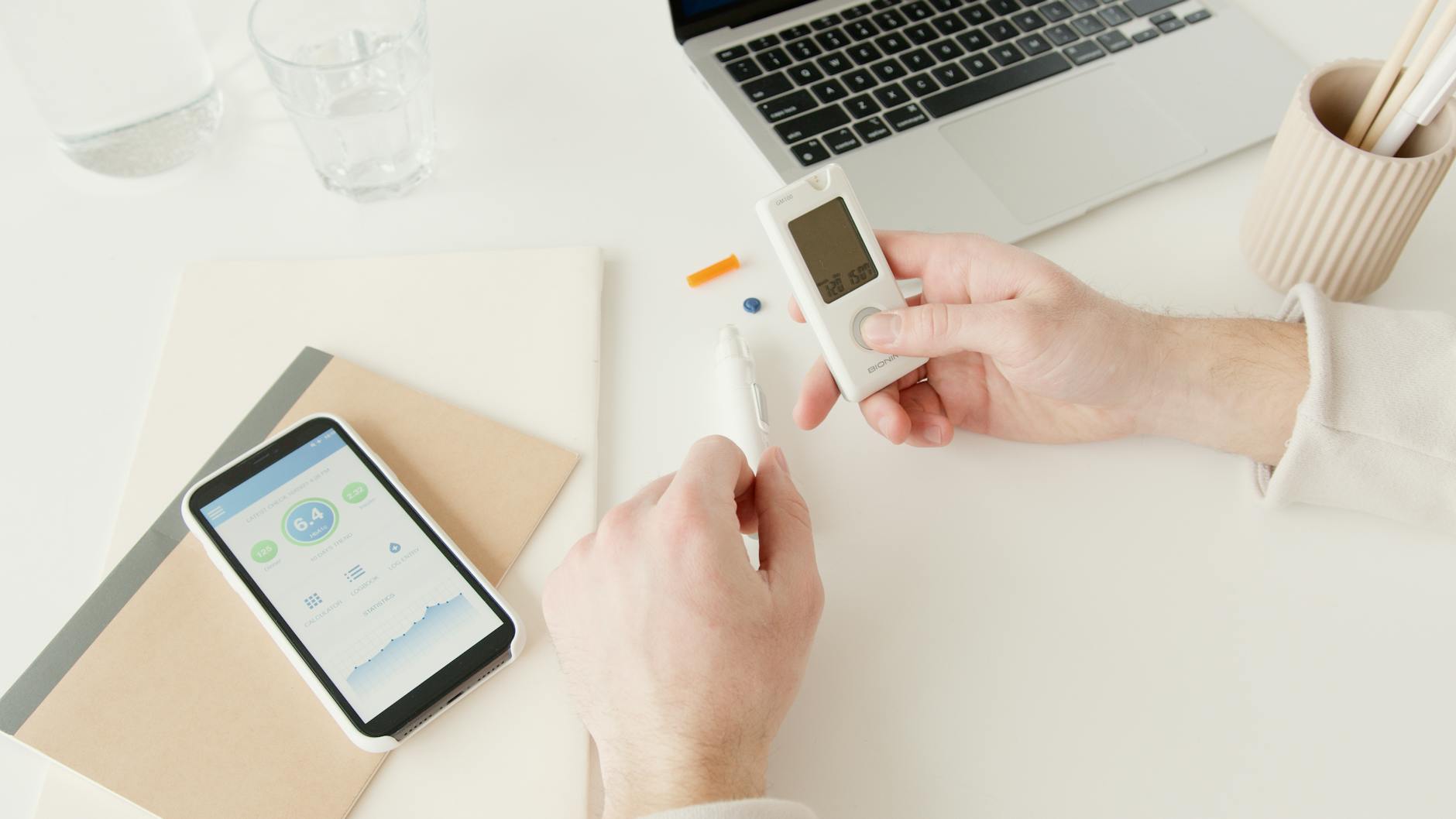
In a strategic pivot that blends cryptocurrency with health tech, Tether, a leading name in the digital currency landscape, has invested in Eight Sleep at a valuation of $1.5 billion. This partnership is not just about funding; it's about integrating Tether's QVAC architecture into a high-tech product focused on enhancing personal health - the smart mattress systems developed by Eight Sleep.
The core of Eight Sleep's products lies in their ability to utilize embedded sensors alongside machine learning technology to modify mattress temperature and monitor physiological signs in real time. Now, with Tether's QVAC architecture, which consolidates wellness data from numerous wearables into a single, secure environment, Eight Sleep is poised to leap from mere sleep monitoring to a broader spectrum of health diagnostics.
So, what does this mean for the health tech and crypto sectors? For starters, it underscores a growing trend where cryptocurrency entities aren't just shadow-dwelling ledger keepers but are evolving into multi-sector influencers. Tether's move here shows the potential of cryptographic technology to secure and manage vast amounts of health data, a concern that is central to users who are increasingly wary about personal data security.
Paolo Ardoino, Tether's CEO, mentioned that this integration of advanced AI within health-related technologies could revolutionize how individuals manage and understand their health data. And indeed, the potential is staggering. By moving beyond the cloud and embedding AI directly into health devices, such as Eight Sleep's mattresses, the scope for real-time health optimization increases exponentially.
However, this fusion of crypto with health tech also brings to the forefront the urgent need for robust regulatory frameworks. As we push further into data-sensitive areas like personal health, the conversation about privacy, data security, and user consent must be addressed more vigorously. As such, regulatory watches in the crypto sector become even more critical, underscoring the need for clear guidelines that steer innovation while protecting user rights.
The financial backing from Tether, followed by Eight Sleep's ambition to expand its technological capabilities, also hints at an emerging model of business in the tech space: partnerships that are deeply integrative, rather than merely transactional. This isn’t just about Tether expanding its footprint but about creating ecosystems that benefit from blockchain’s inherent qualities such as decentralization, immutability, and transparency.
For the market sectors involved, particularly for health tech, this partnership could signal a shift towards more proactive health management tools. Imagine a scenario where your bed not only monitors your sleep but also gives you health advice based on continuous, integrated data analysis from your daily activities. The possibilities are ambitious, but they are fast becoming plausible.
Additionally, this move could spell new opportunities for fintech and health tech companies looking to explore secure data management and personalized health solutions without becoming overly reliant on traditional cloud-based infrastructures. For entities involved in fintech solutions, such as those enabling crypto on and off ramp services, the integration of such advanced architectures could present new avenues for innovation and service expansion.
Ultimately, Tether's investment in Eight Sleep is more than just a financial endorsement; it's a strategic maneuver that blends the strengths of cryptocurrency with the disruptive potential of health tech. If successful, this partnership could not only redefine the boundaries of what tech-enabled health management looks like but could also set a precedent for future crypto-health tech integrations.
As these sectors continue to converge, users and industry watchers alike should pay keen attention. The implications are vast - from how we manage personal health data to how we understand and interact with the very fabric of health technology. And as always, the devil will be in the details - or in this case, the data.
Exploring how this affects your payment flow?