
XRP Sees a 3% Decline as It Struggles to Surpass the $1.45 Resistance Mark
XRP's struggle to surpass the $1.45 resistance level not only underscores the cryptocurrency's current market challenges but also exemplifies the broader impact of regulatory scrutiny and market volatility on investor behavior. This resistance point has emerged as a critical juncture, revealing the deep-seated anxieties and strategic calculations that define the crypto trading landscape.
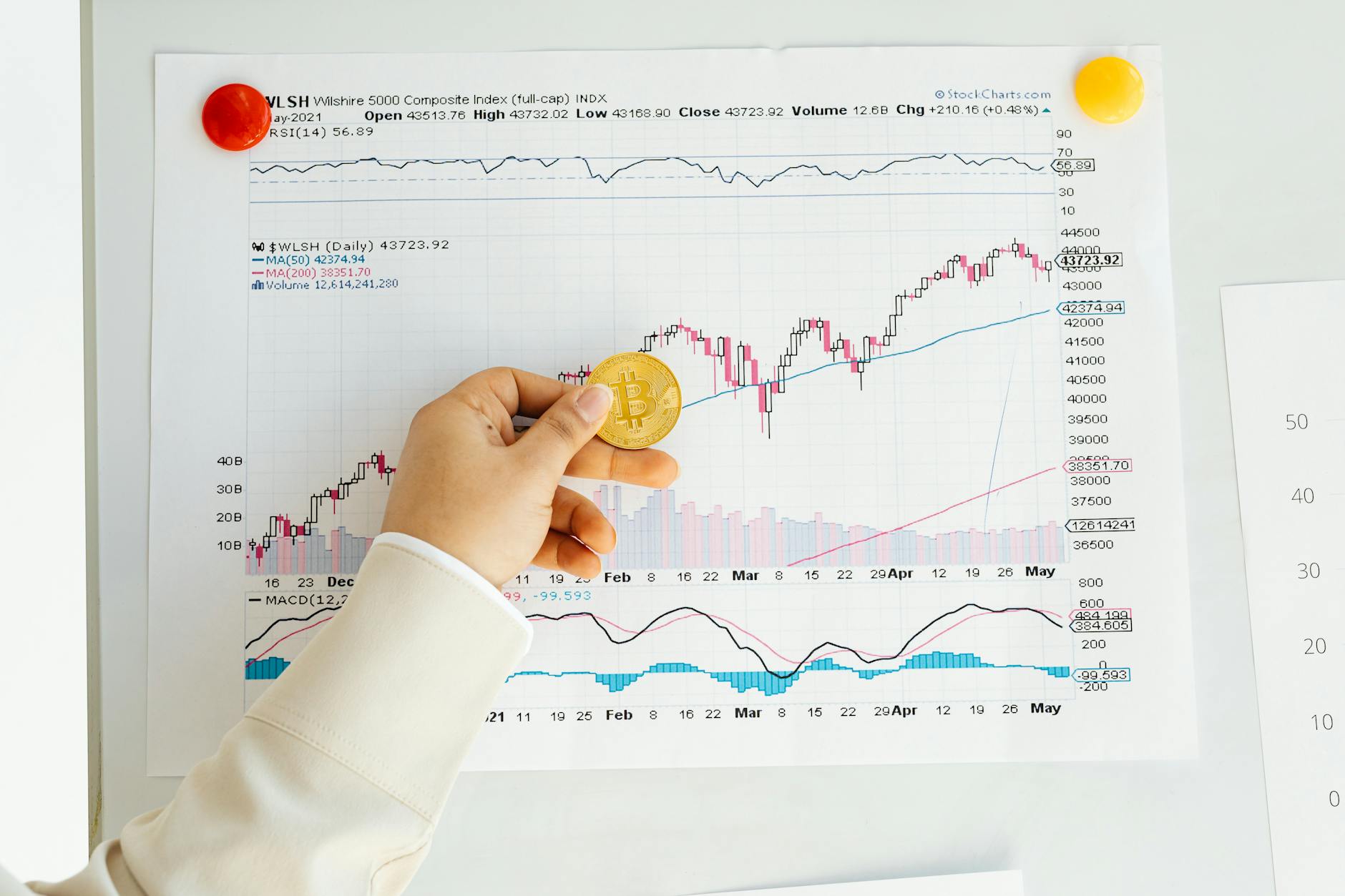
XRP's recent 3% dip is more than a mere price fluctuation; it reveals the volatile dance between investor sentiment and resistance levels in the crypto market. As XRP attempted and failed to breach the $1.45 mark, the broader implications for market dynamics and investor strategy became apparent.
Resistance levels are not just lines on a chart; they are psychological battlefields where investor hopes and fears collide. With XRP, the $1.45 resistance level has become a notable point of contention. Every attempt to surpass this threshold has been met with a corresponding increase in selling pressure, demonstrating a significant level of anxiety and decision-making that grips the market at these critical junctures. This phenomenon was well-documented in a recent CoinDesk article, highlighting the struggles of XRP to overcome this barrier.
The inability to break past resistance levels can be telling. It often signifies either a lack of conviction among buyers or an abundance of caution, possibly due to broader market conditions. For XRP, this recent price action might suggest that investors are still wary of potential regulatory challenges or are possibly reacting to the crypto market's overall volatility. This wariness is not baseless. Given the ongoing scrutiny of digital currencies by various governments, every price movement under regulatory clouds is a tightrope walk.
On a broader scale, the XRP scenario is a textbook example of market sentiment influencing asset prices, a point elaborated upon in a recent Radom Insights post. The post discusses how regulatory landscapes shape market conditions, directly impacting how assets like XRP are perceived and valued.
Moreover, the technical struggle of XRP also underscores the evolving nature of crypto as an asset class. While traditional markets may regard a resistance level breach as a technical win, in crypto, such a breakthrough usually needs to be backed by substantial volume and positive market sentiment. Without these, any minor victory can quickly turn into a retreat, as seen with XRP.
In terms of investor strategy, understanding these resistance points and the broader market sentiment becomes crucial. For day traders and short-term investors, these are opportunities-moments where the market shows its hand. However, for long-term investors, these fluctuations may seem less relevant in the broader narrative of crypto adoption and integration within financial ecosystems.
Further exploring strategic moves in finance, companies involved in crypto payments must also navigate these market dynamics. The volatility impacts not just pricing but also the adoption rate of crypto solutions across different sectors, including ecommerce and fintech infrastructure.
In conclusion, the price behavior of XRP around the $1.45 resistance level is a microcosm of the larger crypto market's current state. It highlights the interplay of market sentiment, regulatory outlook, and technical patterns. For market participants, these movements serve as both a cautionary tale and a strategic playbook, depending on one's investment horizon and appetite for risk. Understanding this, in the end, might just be what separates the successful market participants from the spectators.
Exploring how this affects your payment flow?

