
In Poland, the ongoing debate about whether to liberalize iGaming regulations echoes a broader conversation taking place across Europe. As Polish policymakers caution against loosening the reins on iGaming, citing the growth of black markets, it's crucial to dissect both the potential benefits and the risks associated with such a move.
The current monopoly model in Poland is seen by some as a bulwark against the ills of unchecked online gaming. However, lobbyists and some market observers argue that this model may actually be fostering a non-transparent environment where unregulated operators can flourish. This environment potentially exposes players to less scrupulous practices without offering the consumer protections typically enforced in a regulated market. According to iGaming Business, these are significant considerations that merit a nuanced evaluation.
The case for liberalization includes several compelling arguments. For one, opening up the market could lead to increased tax revenues, which could be reinvested into public services or harm reduction programs. Moreover, a regulated market could attract legitimate international operators, fostering better consumer protection and potentially reducing the appeal of the black market. Additionally, integrating technology solutions like those provided by Radom's iGaming solutions, which ensure compliance and secure operations, could further mitigate the risks associated with liberalization.
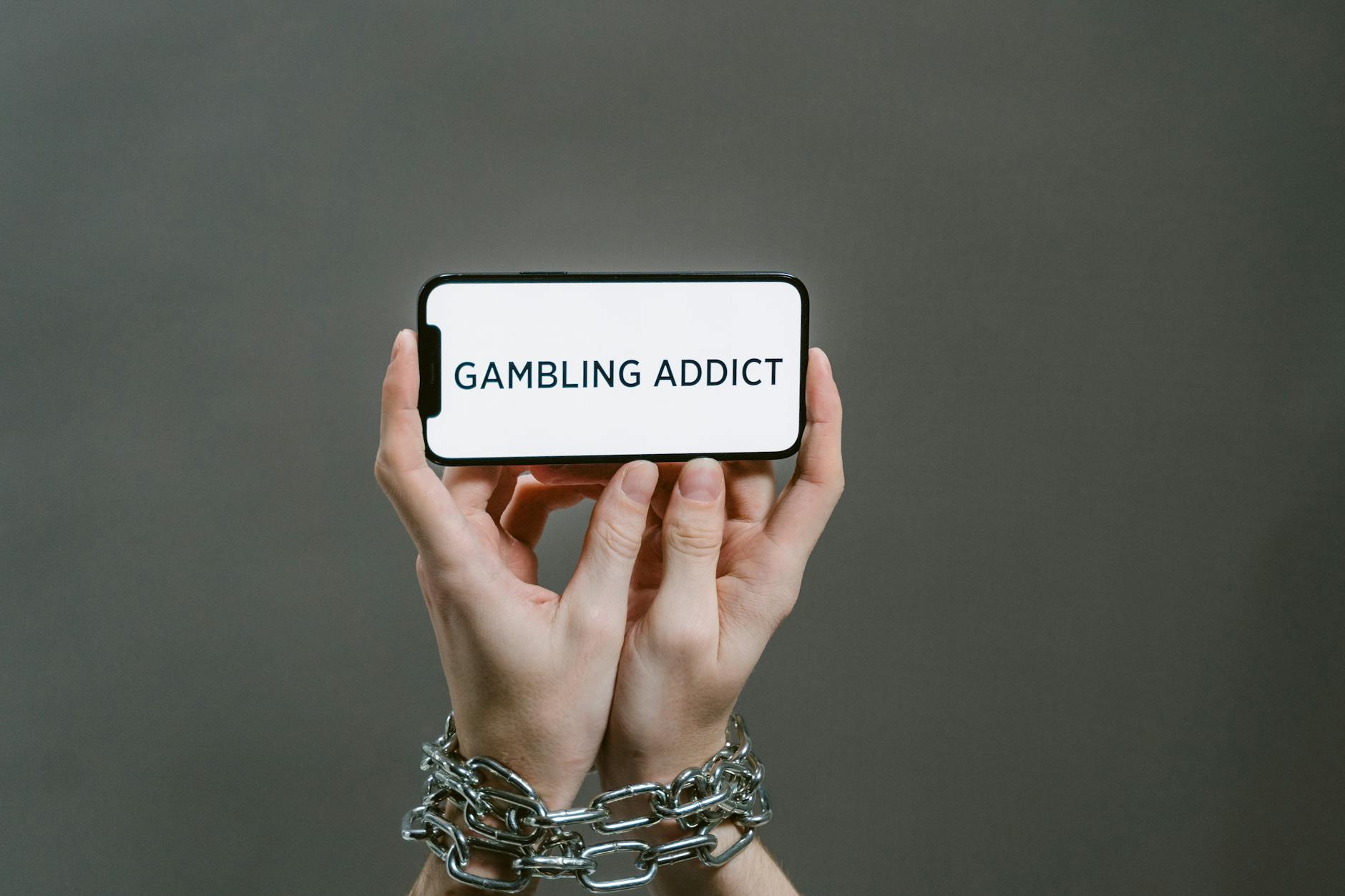
On the flip side, detractors of liberalization fear that increasing the accessibility of iGaming can lead to higher rates of gambling addiction. There's also the challenge of ensuring that all operators play by the rules, a task that would require significant resources and robust regulatory oversight. The experiences of other European countries, which have faced challenges like regulatory capture and enforcement inconsistencies, serve as cautionary tales.
The question then becomes one of balance. Can Poland devise a regulatory framework that promotes a responsible, yet economically beneficial iGaming environment? Such a framework would need to ensure stringent consumer protection measures, robust oversight of operators, and a commitment to channeling additional tax revenues into harm-reduction programs.
In conclusion, while the liberalization of iGaming in Poland could bring economic benefits and potentially better protection for players through regulation, it also requires careful consideration of the societal risks. As with many issues in the realm of digital finance and online regulation, the right path forward tends to lie not in extremes, but in prudent, well-regulated moderation. By learning from the experiences of others and focusing on technological advances in regulation, Poland could potentially craft a model that other nations might look to in navigating their own regulatory challenges.

