
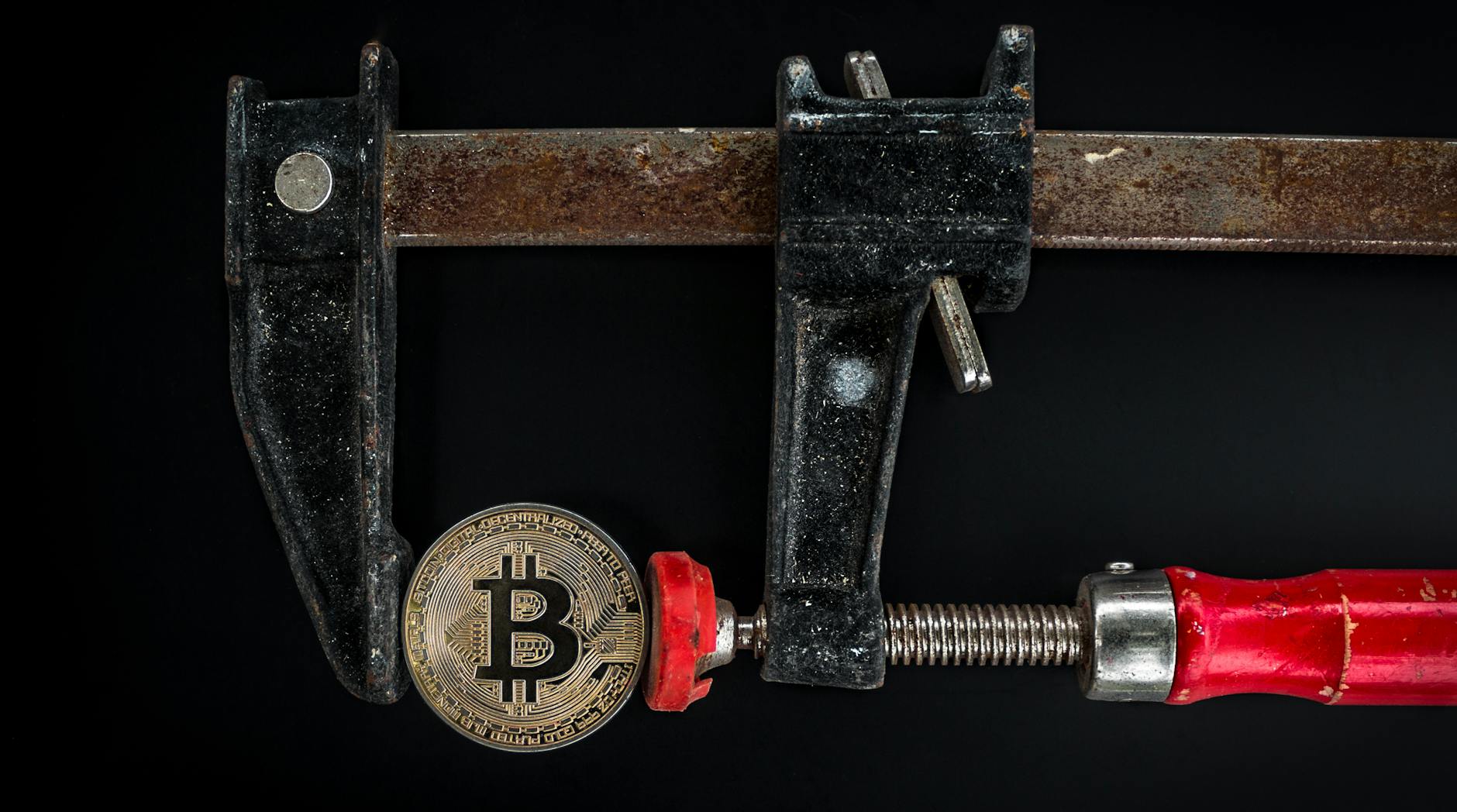
In a move that highlights its commitment to user security amid fluctuating market dynamics, Binance's Secure Asset Fund for Users (SAFU) has recently escalated its Bitcoin reserves significantly. With an additional 3,600 Bitcoin purchased for approximately $233 million, the fund’s total holdings now stand impressively at 6,230 BTC, valued around $410 million. This purchase marks a clear strategy, aiming to convert $1 billion of stablecoin reserves into Bitcoin in a 30-day window, a hefty ambition that they are already over 40% towards achieving in just four days.
The establishment of SAFU in July 2018 was a direct response to a security breach, serving as an emergency reservoir to safeguard users’ assets against potential hacks or exchange disruptions. The fund, nourished by trading fee allocations, hit the $1 billion valuation mark by January 2022. Not merely a reactionary cushion, SAFU's recent proactive engagement in Bitcoin underscores a strategic recalibration towards what Binance views as a more transparent, auditable, and inflation-resistant asset. This pivot was officially set into motion on February 2, with the initial acquisition of 1,315 BTC.
From a broader perspective, Binance's robust investment into Bitcoin through its SAFU fund is indicative of a larger trend in crypto-investment strategies according to Crypto Briefing. As traditional finance grapples with inflation and market instability, cryptocurrencies, particularly Bitcoin, are increasingly perceived not just as payment mechanisms but as viable long-term store of value assets. This is not an isolated maneuver by Binance but a reflective shift within the industry towards asset-backed security measures.
Binance’s strategy might seem aggressive, but it is far from being a gamble. The exchange's approach is calculated and reflects a confidence in Bitcoin's continued relevance and stability as a digital asset. Moreover, this move could be seen as a bellwether for similar large-scale institutional behaviors in the near future. Entities, particularly those holding large amounts of user assets, may find the transparency and security of Bitcoin an attractive alternative to traditional stablecoins which have their own sets of risks and dependencies.
Indeed, for users and observers alike, Binance’s increased Bitcoin allocation in the SAFU fund adds a layer of trust and reassurance. In an industry where security breaches can lead to substantial financial losses, having a significant reserve in what many view as the most secure digital asset is reassuring. This strategy not only protects the user but also stabilizes the platform against potential market volatility or regulatory changes that could affect the value of stablecoins.
Furthermore, this increase in Bitcoin reserves aligns Binance with broader market trends where the demand for more stable, non-sovereign currencies is becoming clear. Businesses and investors are both looking for stability and predictability in assets. Understanding these shifts could greatly benefit companies, and platforms like Radom provide essential services in this changing landscape, including on- and off-ramping solutions which are crucial for navigating between crypto and fiat efficiently.
To wrap up, Binance's substantial investment in Bitcoin via their SAFU fund is more than just a protective measure; it's a strategic alignment with future financial currents. As the crypto market matures, the emphasis on asset security will likely foster more confidence among users, potentially drawing more participants to the crypto economy. For an industry often criticized for its volatility and insecurity, moves like these are a clear nod towards maturity and stability.

