Bitcoin and Other Cryptocurrencies Experience Price Increase Amid Rising Hopes for US-Iran Peace Agreement
As the U.S.-Iran diplomatic talks intensify, the cryptocurrency market experiences a notable upswing, with Bitcoin rising 1.6% to $77,500 according to a CoinDesk report, reflecting the market's sensitivity to global political shifts. This surge not only highlights the impact of geopolitical events on crypto valuations but also points to the broader implications for crypto adoption in potentially stabilizing global markets and enhancing its appeal as an alternative investment.
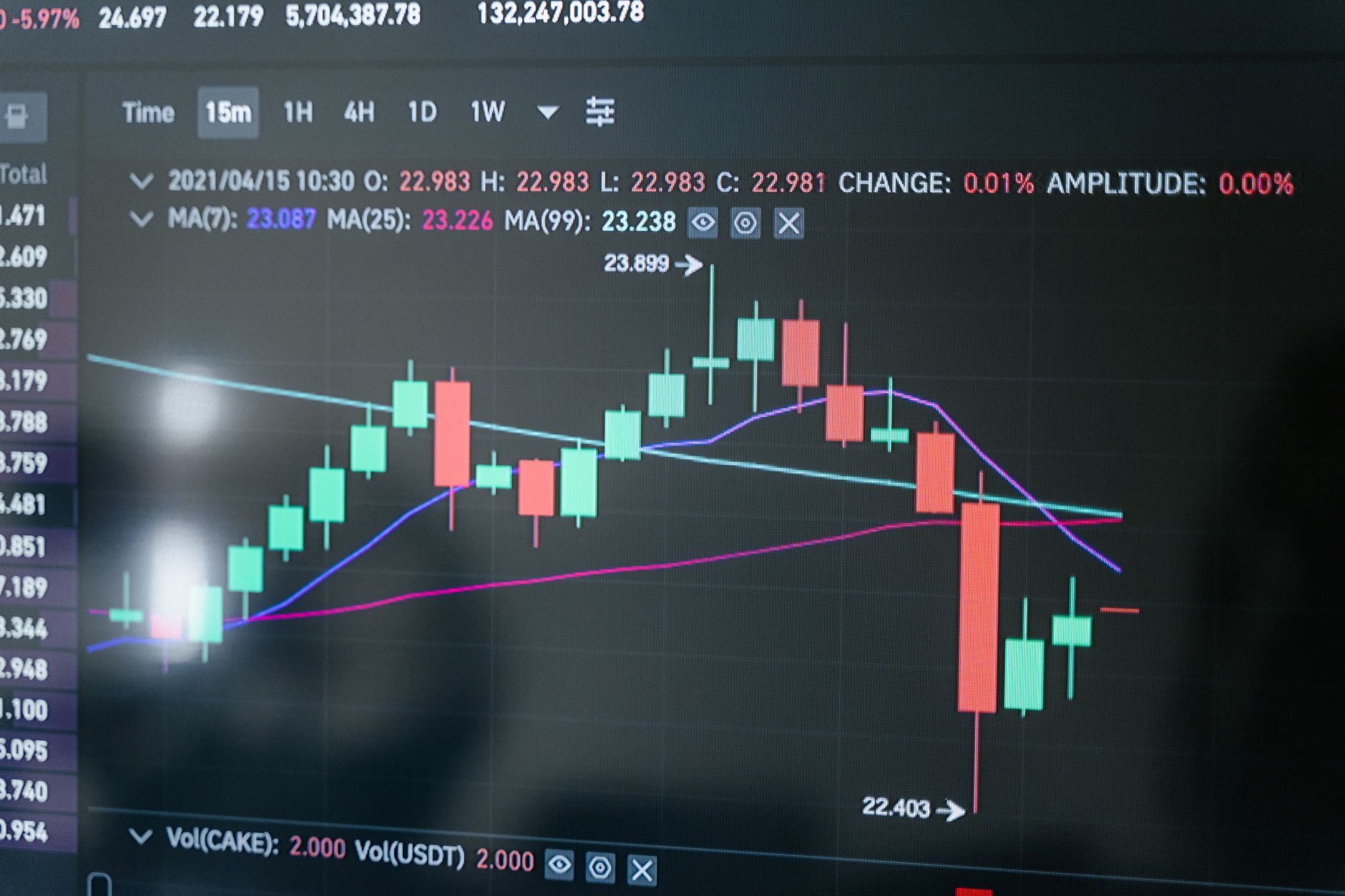
As diplomatic efforts between the U.S. and Iran gain traction, so too does the value of Bitcoin and its digital brethren. The crypto market has recently seen a modest uptick, correlating with heightened optimism surrounding a potential U.S.-Iran peace deal. On a broader scale, this demonstrates how geopolitical shifts can sway market dynamics, emphasizing the sometimes overlooked sensitivity of cryptocurrencies to international affairs.
With Iranian negotiators setting foot in Doha, and the accompanying media buzz from both CNN and CNBC detailing the stakes and specifics of the talks, the crypto realm reacted accordingly. Bitcoin, for instance, climbed 1.6% to $77,500 as noted in a CoinDesk report. Ether followed a similar trajectory. What's intriguing here is not merely the price movement, but the underlying causes: the markets are not just reacting to the talks per se, but rather the gambling odds on their successful outcome. Betting markets like Polymarket have shown a sharp increase in the probability of a peace deal, reflecting a broader trend where public sentiment and speculative trading intermingle to affect market prices.
However, it's essential to puncture the balloon of overoptimism here. While it's tempting to draw direct lines between geopolitical events and crypto valuations, the reality is often murkier. The recent price movements in Bitcoin and other cryptocurrencies could as easily be attributed to a variety of other factors, including prevailing market conditions, technological advancements within the sector, or regulatory changes. Hence, pinning significant market shifts on diplomatic talks alone might be an oversimplification.
Moreover, the broader implications of such geopolitical developments on crypto adoption are notable. If a U.S.-Iran agreement does materialize, potentially easing regional tensions and stabilizing global markets, we could see an increased investor interest in cryptocurrencies as a 'safe haven' or alternative investment. This scenario would underscore the dual nature of cryptocurrencies as both speculative assets and potential stores of value in times of uncertainty.
For businesses and platforms involved in the crypto space, such as those offering on-and off-ramping solutions, understanding the interplay between geopolitical developments and market dynamics is crucial. It's not just about providing services; it's about foreseeing market demands that arise from these global events and preparing to meet them efficiently.
In conclusion, while the anticipation of a U.S.-Iran peace deal offers a fascinating glimpse into how global events can influence the cryptomarkets, stakeholders should maintain a balanced perspective. The relationship between international politics and cryptocurrency prices is complex and influenced by a mosaic of factors, rather than being a straightforward cause-and-effect mechanism. Keeping an eye on such developments is necessary, not just for traders, but also for analysts, investors, and the broader fintech community looking to navigate these turbulent waters.
Exploring how this affects your payment flow?