
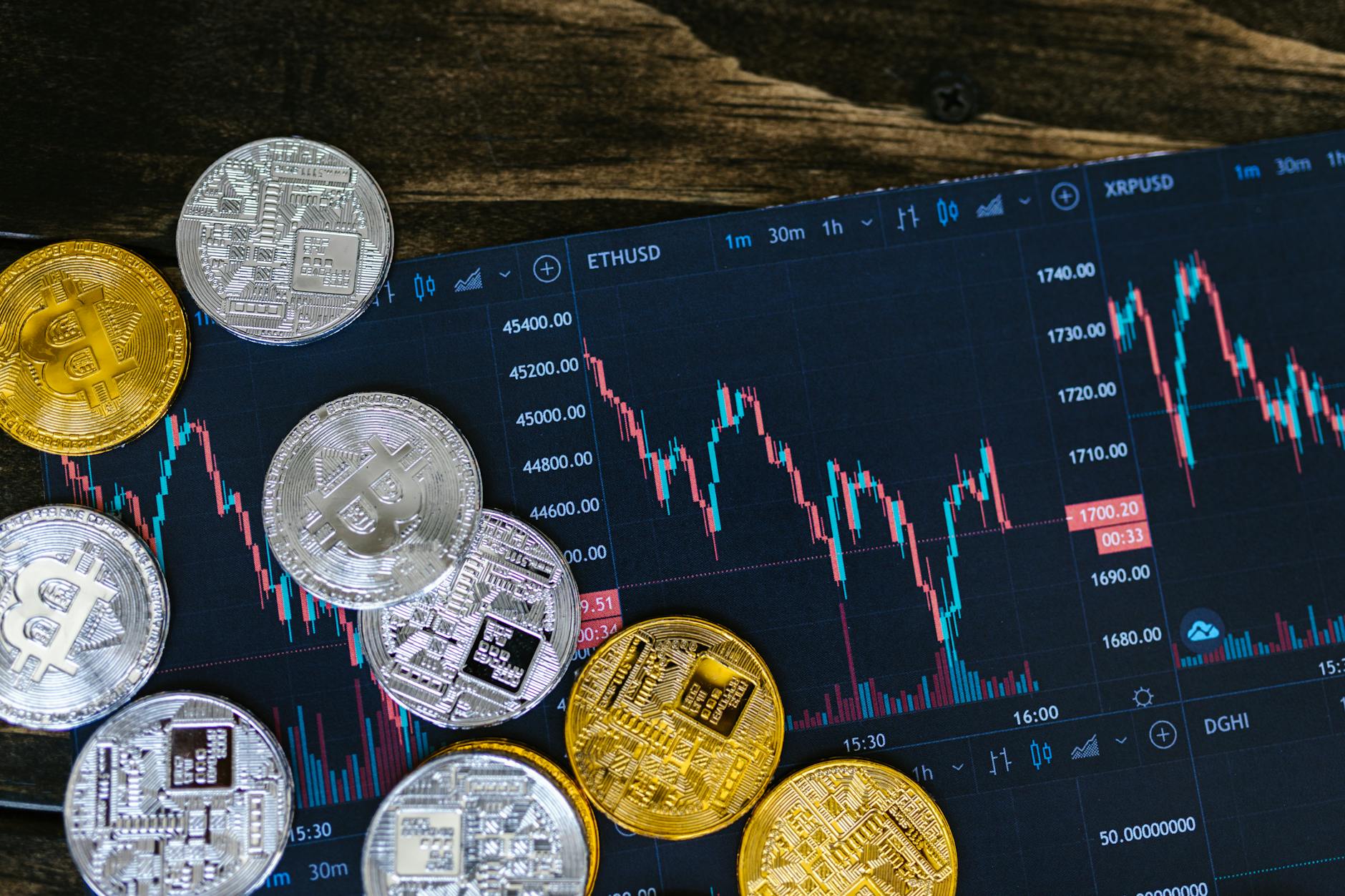
Despite a significant de-escalation of market panic, Bitcoin continues to languish just below $68,000, struggling to muster the strength for an upward climb. This presents a curious dissonance where the theoretical backing of financial metrics suggests a possible rally, yet the reality depicts a different, more stagnant scenario.
The recent report from CoinDesk highlights a notable drop in Bitcoin's 30-day implied volatility, descending from near catastrophic highs back to a more temperate 52%. Traditionally, such a retreat in volatility might suggest the market is finding its footing, potentially cueing investors to re-enter. However, Bitcoin's price response-or lack thereof-tells a tale of lingering hesitations and subdued market sentiment.
Options markets, which often serve as the canaries in the coal mines for financial tumult, reflect this caution. With implied volatility receding, the rush to hedge against severe price swings has cooled, yet this hasn't translated into bullish price action for Bitcoin. It appears that while the fear of collapse has diminished, the enthusiasm for growth is similarly scarce.
This scenario is further complicated by the dynamics within perpetual futures contracts, where funding rates remain tepid, barely hovering above zero. This indicates a lack of conviction among traders, who are not ready to place substantial bets in either direction. The marketing narrative might pitch Bitcoin as poised for recovery, but the hard data presents a community still very much on the fence.
Institutional behavior adds another layer of complexity. U.S.-listed spot Bitcoin exchange-traded funds have seen consecutive months of outflows, aligning poorly with any bullish narratives. It seems even the big players are keeping their cards close to their chests, waiting for more definitive signs before making their moves.
However, not all is doom and gloom. Recent macroeconomic shifts, such as the slowing U.S. inflation and the subsequent dip in real yields, could theoretically provide a more favorable backdrop for risk assets like Bitcoin. If traditional markets begin to falter under lower yields, non-yielding assets might finally have their moment in the sun.
Yet, as the market currently stands, Bitcoin remains a standoff between potential and actuality. The metrics suggest a setup for resurgence, yet the market's spirit isn’t quite there yet. For those watching from the sidelines, it might be wise to keep the popcorn at the ready-but don’t drop your guard down just yet.
For those involved in the day-to-day dance of cryptocurrency trading or those considering the strategic positioning of digital assets, Radom's insights might offer deeper dives into how such economic environments could influence broader market trends. Understanding these nuances could be crucial in navigating what is, by all indicators, a cryptomarket at a crossroads.

