
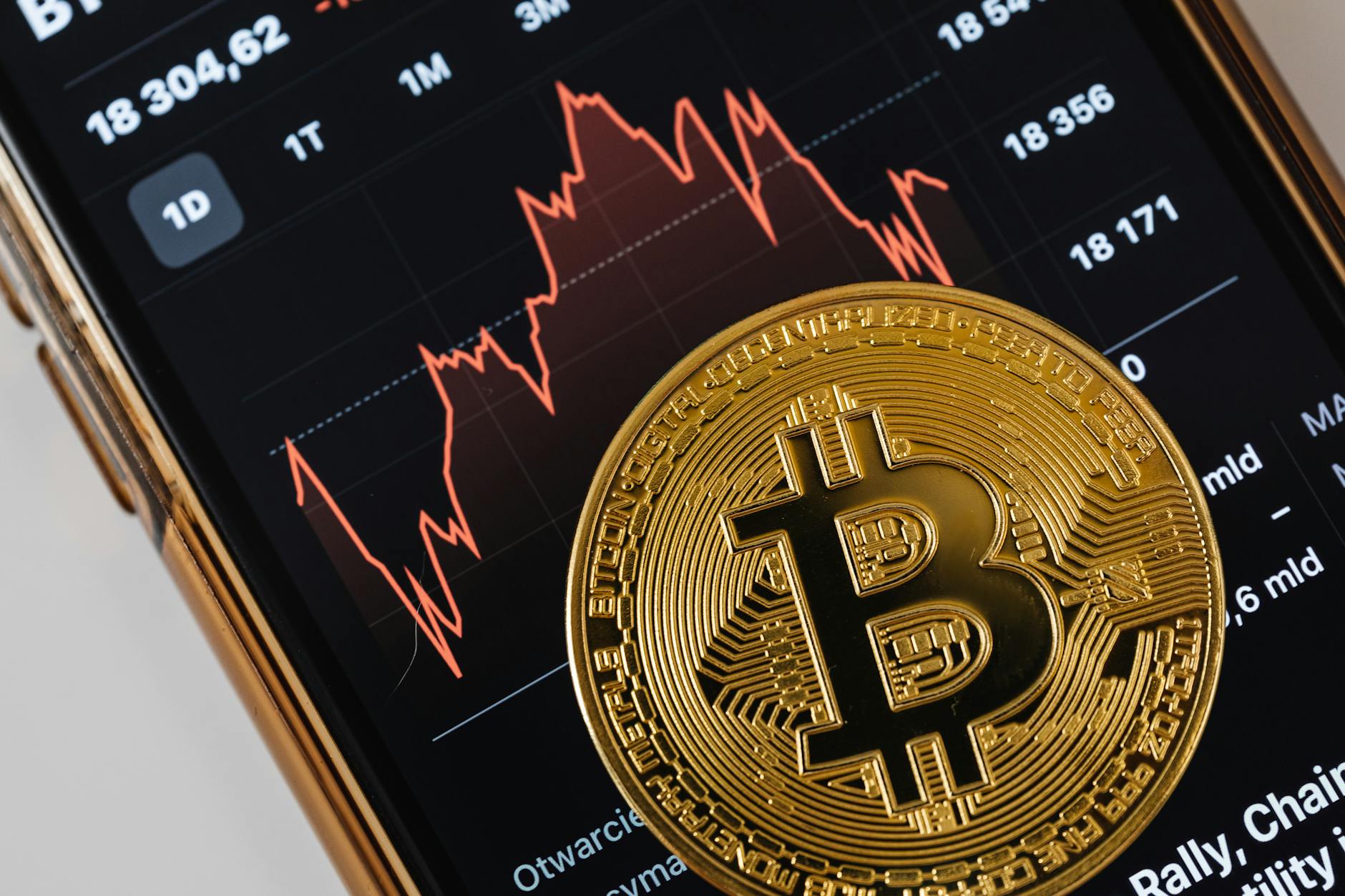
Bitcoin's recent dip below the $71,000 mark, its lowest since October 2024, is more than just a statistic for the daily trader; it signals a shift in market dynamics and investor sentiment that warrants a deeper analysis. According to The Block, this price movement might be reflective of broader economic conditions and raises questions about the maturing nature of cryptocurrency as an asset class.
Historically, Bitcoin has been seen as a hedge against inflation and market instability. However, its recent price trajectory suggests a closer correlation with traditional risk assets than previously thought. This coupling seems to suggest that as Bitcoin becomes more mainstream, its market behavior aligns more with traditional financial markets. This integration into the broader financial landscape is indicative of both growing acceptance and the standard risks associated with market cycles and investor sentiment.
Moreover, this price adjustment comes at a time when global financial markets are experiencing increased volatility. Factors such as changes in monetary policies by major central banks, geopolitical tensions, and shifting economic forecasts play significant roles. For instance, the U.S. Federal Reserve's stance on interest rates often has a ripple effect across all asset classes, including cryptocurrencies like Bitcoin. The nuanced understanding of these correlations is crucial for both seasoned investors and newcomers in the crypto space.
However, it's also essential to consider the technological and regulatory developments within the cryptocurrency sector. Innovations in blockchain technology, the growth of decentralized finance (DeFi), and the increasing scrutiny from regulators worldwide create a complex ecosystem that can affect Bitcoin's price. For example, regulatory actions in major economies regarding cryptocurrency operations can induce large price swings and influence general market sentiment.
This notion ties back to the importance of regulatory clarity and infrastructure enhancements in the cryptocurrency market. The role of Virtual Asset Service Providers (VASPs) like Radom, offering robust on- and off-ramping solutions, is becoming increasingly critical. These services not only facilitate smoother transitions between fiat and cryptocurrencies but also ensure compliance with evolving regulations, thereby instilling a sense of security among users and potentially stabilizing market fluctuations.
Another aspect contributing to market dynamics is the technological robustness of the crypto infrastructure. As we move forward, the resilience of the underlying technology will be a significant determinant of investor confidence and market stability. Enhancements in blockchain technology, security features, and transactional efficiency are likely to bolster use cases of cryptocurrencies and, by extension, impact their valuation positively.
From a broader perspective, the fluctuation in Bitcoin's price is a reminder of the cryptocurrency's inherent volatility and the need for a strategic approach to crypto investment. Investors should consider the long-term horizon and the technological and economic underpinnings driving market movements. While the dip might concern short-term holders, it presents a different narrative to those looking at fundamental values and long-term growth.
In essence, the recent price movement of Bitcoin underscores the complex interplay of market forces, technological advancements, and regulatory changes governing the cryptocurrency landscape. For stakeholders in the crypto ecosystem, staying informed and agile will be key to navigating this evolving market. As we continue to witness these changes, the role of comprehensive analytical insights, such as those provided on Radom's Insights blog, becomes indispensable in decoding market trends and making informed decisions.
Thus, while the dip below $71,000 marks a notable point in Bitcoin's timeline, it is also a part of the broader narrative of cryptocurrency's integration into the global financial system, shaped by an array of factors ranging from macroeconomic conditions to regulatory landscapes and technological advancements.

