
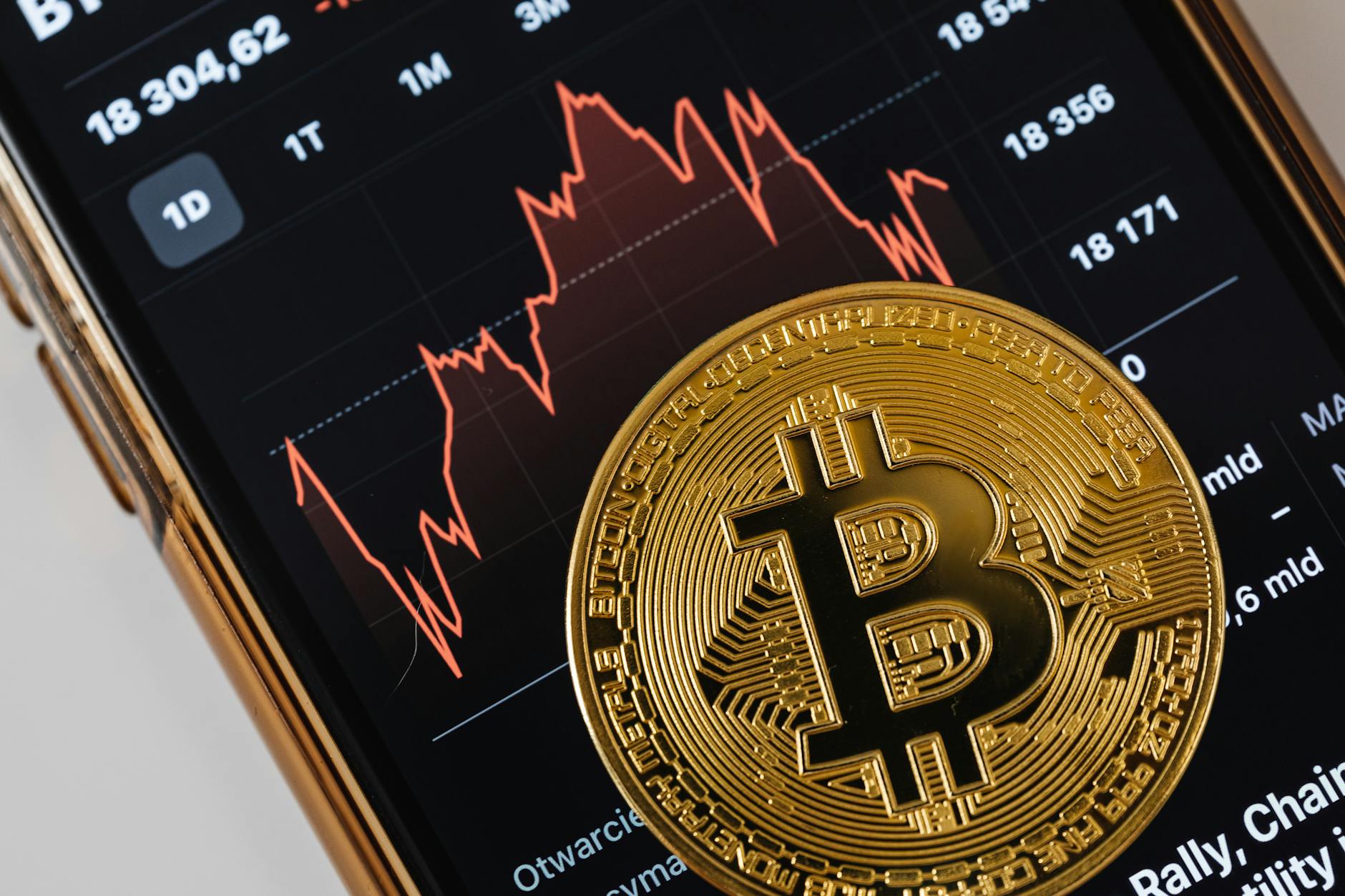
As the price of Bitcoin dips below the critical $76,000 mark, a flurry of reactions has emerged from both long-standing skeptics and staunch supporters. The Financial Times, known for its consistent skepticism toward cryptocurrency, emphasized through its writers like Jemima Kelly that what they see as bitcoin's ephemeral bubble may finally be popping. Contrast this with the bullish undertones from bitcoin enthusiasts, who interpret these price movements as signs of an approaching bottom-a belief not without historical precedent in financial markets.
This divergence in viewpoints is not merely an academic debate; it has real implications for investors and the broader fintech landscape. For instance, when the bitcoin price fell below the average cost basis of BTC treasury behemoth Strategy (MSTR), it signaled potential distress not just for crypto investors but for corporate strategies revolving around digital assets. CoinDesk notes a stark portrayal of this scenario, highlighting the challenges faced by Strategy, whose stock plunged significantly from its peak.
The applaud from bitcoin critics like Peter Schiff, who correlates bitcoin’s decline with a rise in gold, further complicates the narrative. Schiff’s perspective that bitcoin is a long-term bear market when priced in gold reflects a broader skepticism that sees no intrinsic value in cryptocurrencies, contrasting sharply with the views of crypto proponents.
The situational irony here is that extreme viewpoints on bitcoin-whether overly pessimistic or optimistic-often contribute to the very volatility they critique or extol. This volatility underscores the complex dynamics of cryptocurrency as an asset class, which continues to evolve in response to both market forces and regulatory considerations.
Amid these polarized views, the market dynamics reflect broader trends impacting fintech and financial services. Reports that Tether's capital-raising efforts have hit snags suggest a cooling interest in certain types of crypto projects, which could have ripple effects on liquidity and market stability. The scenario calls to mind the importance of robust financial infrastructures, such as those offered by Radom, which provide necessary stability through on- and off-ramping solutions that bridge fiat and crypto worlds efficiently.
In conclusion, while the debate between bitcoin's believers and detractors might seem unending, it serves as a barometer for the cryptocurrency's maturation as an asset class. For market participants, navigating this landscape means staying informed about both the technological advances and the shifting regulatory frameworks that shape the floor and ceiling of bitcoin's market potential.

