
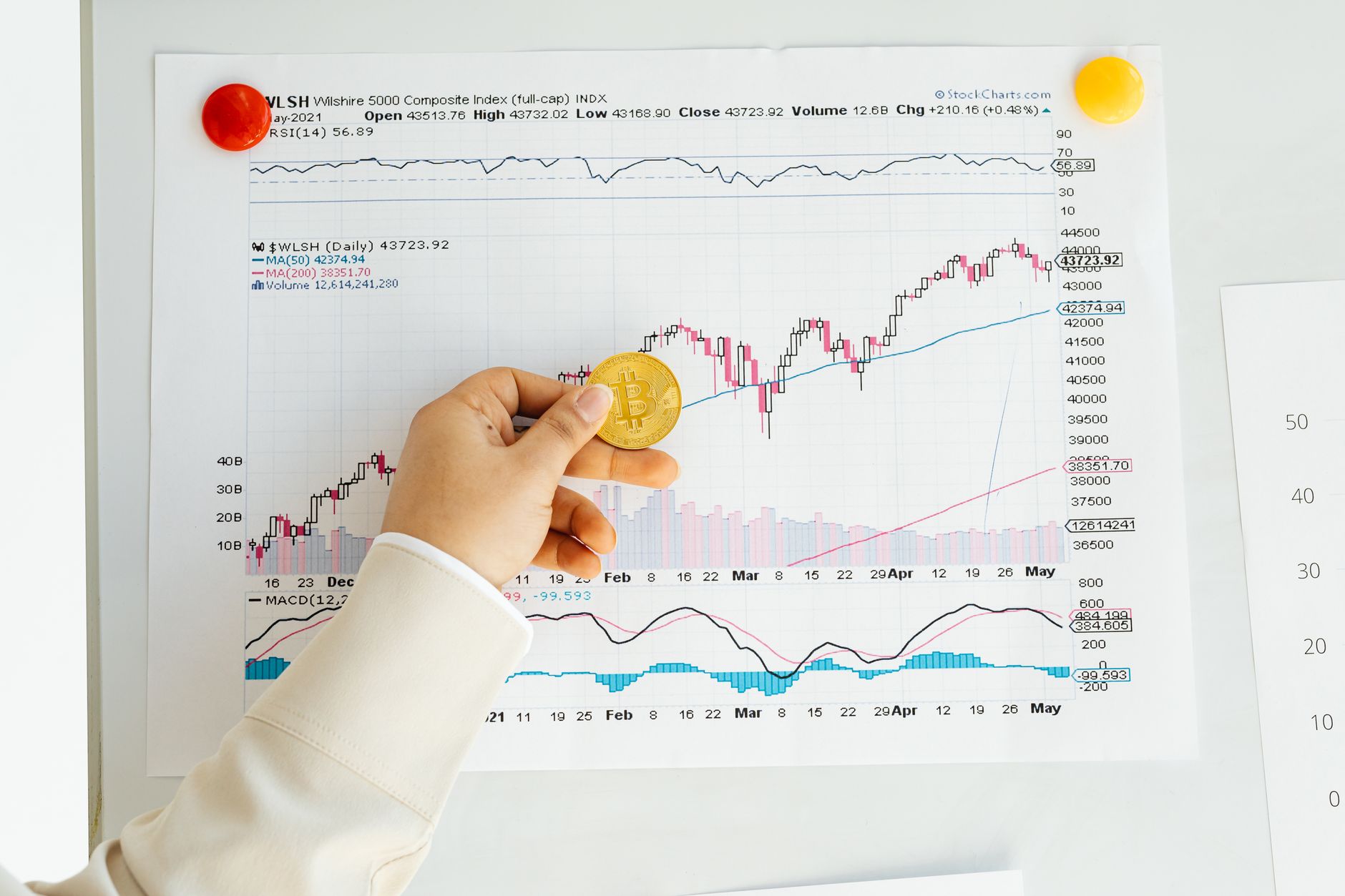
As the financial markets showcased their usual dynamism, a curious divergence was observed between the trajectories of Bitcoin and SpaceX's stock prices. Bitcoin, despite a modest dip of about 1% from its day's peak to $66,500, maintained a positive momentum overall with a 4.5% increase over the past 24 hours. Meanwhile, SpaceX has surged impressively, adding 18% to its previous gains, with its stock price climbing to $190-a 40% increase since its initial public offering just last Thursday.
This contrasting performance elucidates a broader thematic shift in investor sentiment and market mechanics, which deserves a closer examination. Traditional and digital asset classes often diverge based on a plethora of factors including investor risk appetite, regulatory news, macroeconomic indicators, and technological or operational milestones. In this case, the narrative might be further complicated by the upcoming U.S. Federal Reserve policy meeting, which is keenly awaited under the new stewardship of Fed Chairman Kevin Warsh. While no immediate changes in the rates are anticipated, investors are trading cautiously, embedding expectations of future hikes into their strategies.
Bitcoin's price movement can be quite reactive to anticipatory behavior around policy changes due to its inherent volatility and sensitivity to macroeconomic indicators. This reactivity is often mirrored by a shift in investor's portfolio strategies, which might lean towards more stable investments during times of monetary tightening, explaining the recent boost in SpaceX's stock. Furthermore, the ascent of SpaceX could also be attributed to market enthusiasm for innovative companies with scalable visions, particularly those associated with Elon Musk, whose ventures have historically attracted significant investor interest.
The disparities in these asset classes highlight not only the diverse investment channels available today but also the varying levels of risk and potential investors are willing to engage with. For those managing portfolios, the implications are clear: diversification across different asset types can manage risk and capitalize on growth opportunities in different sectors. This approach is particularly salient in a landscape where technology and finance increasingly intersect, and where the performance of one asset class can inform the strategic adjustments in another.
For the crypto community and stakeholders in the fintech sector, these shifts offer valuable insights. Companies dealing with crypto payments or those exploring new forms of fintech infrastructure might see these market movements as indicators for potential increases in adoption or as warnings against possible headwinds from regulatory changes. For instance, firms like Radom, with its array of offerings from crypto payments to on- and off-ramping solutions, must continuously adapt to these nuanced landscapes.
Moreover, the performance of Bitcoin in relation to traditional stocks like SpaceX also serves as a barometer for the evolving narrative around cryptocurrency as a mainstream investment class versus a speculative asset. This divergence could encourage further dialogue within financial circles about the maturity of the crypto market and its integration into broader economic systems, topics that have been rigorously analyzed in various Radom Insights posts.
In conclusion, while the stark contrast in Bitcoin and SpaceX's recent performances might suggest a simple case of market variability, a deeper analysis reveals a complex interplay of investor sentiment, regulatory expectations, and macroeconomic conditions. Navigating this landscape demands not only keen market insight but also an adaptable approach to both digital and traditional investment avenues.

