
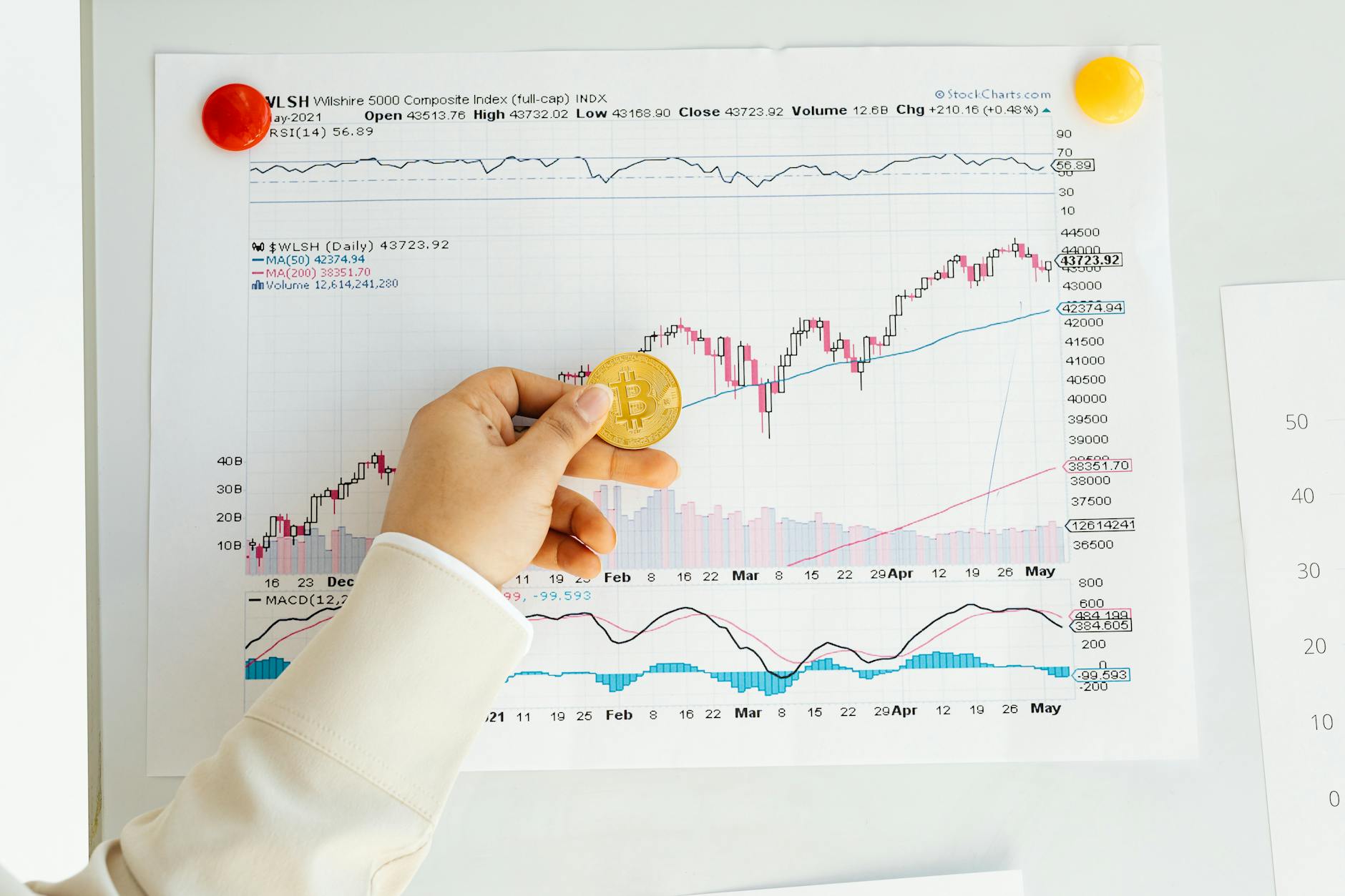
As Bitcoin paints its charts red for the fifth consecutive month, investors and analysts alike are watching closely, reminiscent of the 2018 scenario. Then, Bitcoin faced a similar decline, only to rebound spectacularly. But what's different this time, and what could potentially be on the horizon for the pioneering cryptocurrency?
Indeed, the history of Bitcoin is riddled with dramatic recoveries following deep troughs. The CoinGlass data pointing to Bitcoin’s historical patterns suggests that a bounce back may be in the cards. In 2018, after a streak of six red months, Bitcoin surged by over 316%, a rebound that cemented its reputation for being fiercely unpredictable. According to CoinGlass, this past pattern may signal a robust recovery starting as early as April.
However, banking on history to repeat itself without considering the nuances of the current market conditions could be a risky gamble. Today’s crypto landscape bears notable differences from past years. The crypto market, in general, has matured with more institutional players and a broader regulatory overview, which can dampen excessive volatility. Not to mention, the macroeconomic environment is also quite turbulent, with inflation concerns, interest rate hikes, and geopolitical tensions all influencing investor behavior.
Moreover, looking at Bitcoin's performance in the more recent past provides a sobering perspective. The 2022 bear market saw Bitcoin enduring four consecutive red quarters, culminating in a sharp decline from around $46,230 to $16,500 by year's end. This suggests that while historical data is vital for understanding potential market cycles, it is not a foolproof predictor of future price movements.
Adding another layer of complexity is the analysis from veteran analyst Sykodelic, who argues that the current market is “fundamentally different” from previous cycles. The lack of a significant overbought condition in the monthly relative strength index (RSI) during the bull phase suggests that the market may not be poised for a symmetric rebound. Instead, we might be witnessing a new market pattern entirely, which could redefine recovery expectations.
This cautious sentiment is echoed in my recent post on Radom Insights, where I discussed the implications of South Korea's policy shift on corporate cryptocurrency trading. This development highlights the evolving regulatory landscape which can substantially influence market dynamics and investor sentiment.
For individual and institutional investors alike, this period of uncertainty means that relying solely on past price performance as a guide can be misleading. Instead, a more nuanced approach, incorporating both technical analysis and a keen eye on broader economic and regulatory dynamics, is advisable. Even if historical data suggests potential upswings, the unique factors at play today necessitate a more grounded and less speculative approach to investment strategies.
In summary, while Bitcoin's past rebounds following protracted declines offer a glimmer of hope to cryptocurrency enthusiasts, the diverse factors influencing today's market should temper expectations. Wise investors should prepare for various scenarios, balancing optimism with a robust risk management strategy. As always, the only predictable aspect of the cryptocurrency market is its unpredictability, a factor that continues to both attract and caution investors in equal measure.

