
Bitcoin Falls Below $71,000; Ethereum and Dogecoin Also Decline as Recent Rally Encounters Resistance Amid Geopolitical Tensions
After reaching a peak of $74,000, Bitcoin faced significant resistance at the 61.8% Fibonacci retracement and the 50-day moving average, underscoring the technical complexities that continue to influence the cryptocurrency's volatile price movements. Amidst broader market uncertainties, including geopolitical tensions and shifts in traditional markets, Bitcoin's recent price fluctuations highlight the critical interplay between technical trading thresholds and macroeconomic factors.
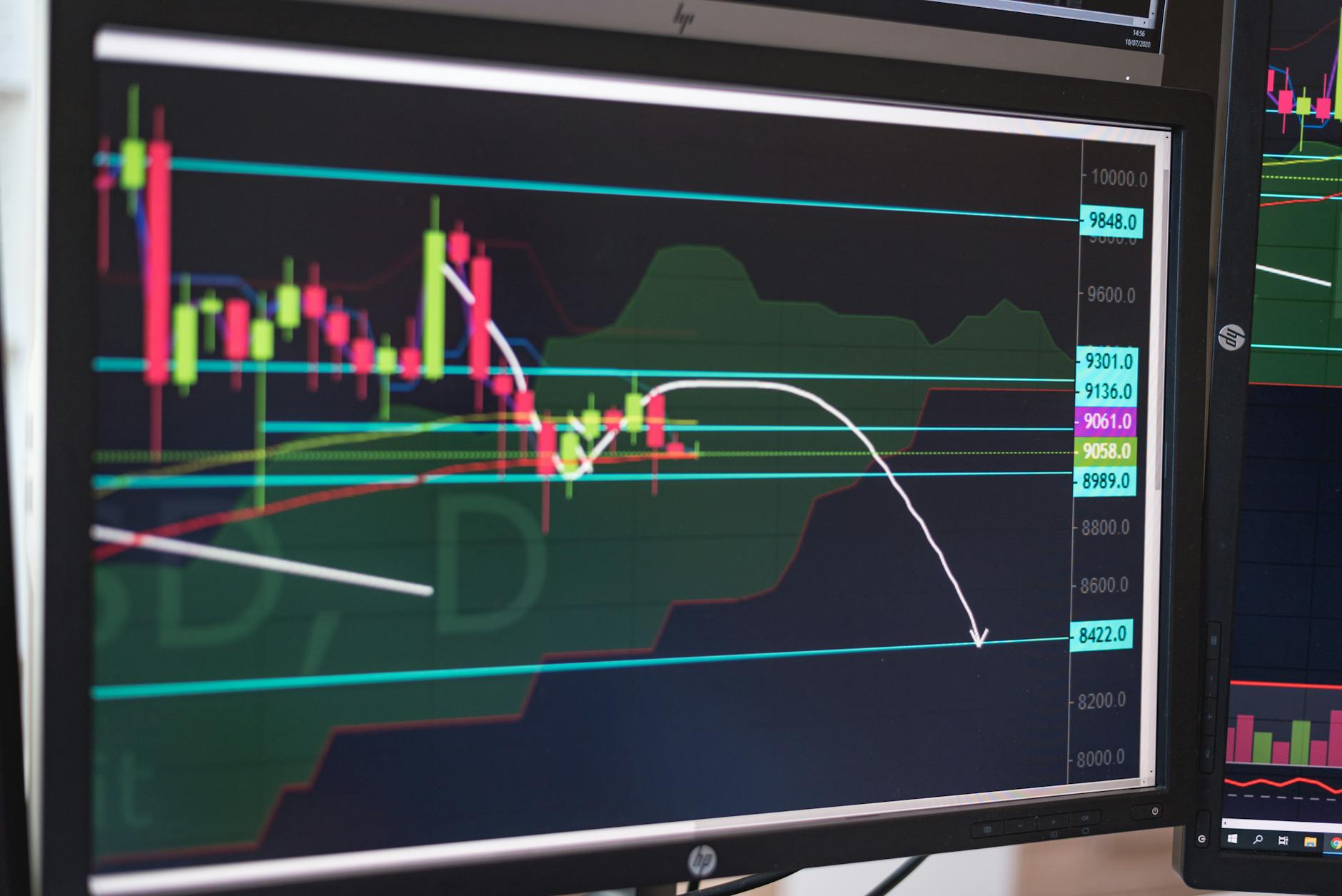
Bitcoin's latest dance below the $71,000 mark is a sober reminder that even in the frenetic world of cryptocurrencies, gravity still exists. After a sizzling run-up to $74,000, the cryptocurrency behemoth witnessed a pullback, dipping to $70,987. This recent price action encapsulates the volatile pulse typical of crypto markets, particularly under the heavy cloud of ongoing geopolitical tensions and macroeconomic shifts.
The fleeting rally, which saw Bitcoin claw back significantly from a low near $64,000, ran squarely into a robust technical ceiling. This isn't mere coincidence but rather a pointed lesson in technical analysis. At $74,000, Bitcoin encountered dual resistance: the 61.8% Fibonacci retracement and the 50-day moving average. For those uninitiated, these aren't arbitrary markers. The former is a critical psychological level indicating a significant recovery of prior losses, often a tough nut to crack in bear rally scenarios. The latter represents a running average of closing prices over the latest 50 days, serving as a reality check that often cools irrational exuberance.
Alex Kuptsikevich, chief analyst at FxPro, aptly noted the need for bulls to deliver more convincing evidence that the bear market is truly behind us. The tug-of-war at $74,000 was not just a battle of numbers but of market sentiment, where the hopes of bullish traders met the hard resistance formed by those counting their average losses over the past month and a half.
Meanwhile, the analysis of market movements by Bitunix sheds further light on the immediate pressures shaping Bitcoin's price chart. The dash to $74,000 likely exacerbated a wave of short squeezes, where bears hurriedly exited their bets against Bitcoin, momentarily giving the price an artificial bump. However, the subsequent price levels also outline a precarious landscape. Notably, substantial long leverage liquidation clusters lurk around $70,000, suggesting that any significant dips could trigger further sell-offs, testing the resilience of recent gains.
This price action doesn't exist in a vacuum. The broader market context is rattled by unsettling developments, such as ongoing military operations in Iran and significant movements in traditional markets. With Asian stock indices in retreat and the U.S. dollar flexing upwards, the external economic environment is hardly conducive to sustaining high-risk asset rallies. These elements brew a perfect storm where cryptocurrencies, often considered safe havens or alternative investments, face severe headwinds.
On the flip side, the resilience of major cryptocurrencies like Bitcoin-still posting a 5.4% gain over the week-and Ethereum's modest climb suggests an underlying strength or at least a stubborn defiance against both technical and macroeconomic adversities. However, the lag seen in tokens like Dogecoin and Ripple's XRP highlight a discerning investor base that differentiates between potential long-term value and speculative froth.
The immediate future for Bitcoin and its peers thus looks cautiously ambiguous. Traders would do well to keep a keen eye on the broader economic indicators and not just the crypto charts. For those looking to weather potential storms or capitalize on volatility, understanding the intersection of technical thresholds and macroeconomic shifts will be key.
As we navigate these choppy waters, a glance at the functionalities offered by platforms like Radom could not be more pertinent. Providing robust on- and off-ramping solutions, such tools are crucial for both seasoned traders and newcomers looking to maneuver effectively within the crypto markets.
In conclusion, while crypto markets continue to offer thrilling opportunities for rapid gains, they come with an equally significant risk, accentuated by external economic forces. The current scenario is a textbook example of how intertwined global events can sway market sentiment and technical trajectories, outlining a need for vigilant, informed trading strategies.
Exploring how this affects your payment flow?