
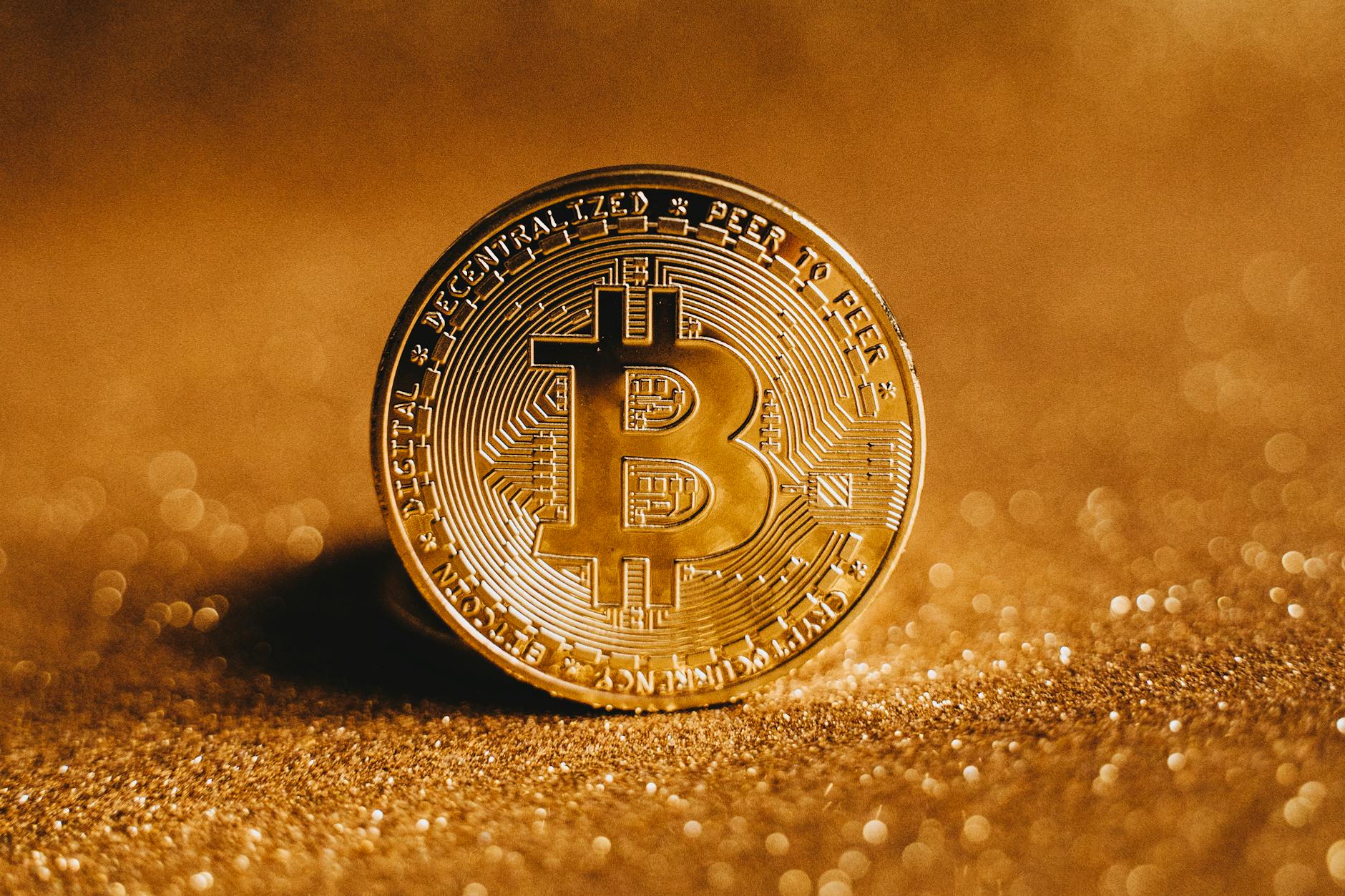
Bitcoin, once derided as a speculative tool for the financially adventurous, is now flirting with a $93,000 valuation, thanks to a heady mix of institutional investment and macroeconomic uncertainties. At $92,900, the cryptocurrency sits at the precipice of yet another valuation milestone as it casts a long shadow on the broader financial markets.
The surge in Bitcoin's price isn't just a rogue wave but part of a sustained uptrend fueled, in part, by an influx of institutional money through vehicles such as ETFs. A look at the recent upswing through the lens of market dynamics reveals a complex narrative of burgeoning institutional interest aligned with a hedging approach against economic volatility. Crypto Briefing notes that this aligns with a broader sentiment that sees Bitcoin not just as a digital asset but as a considerable component of diversified investment portfolios.
The role of ETFs in this scenario cannot be overstated. These funds provide a safer, more regulated way for institutional investors to gain exposure to Bitcoin without the operational challenges of handling the actual digital asset. It's a classic case of wanting the crypto cake and eating it too - benefiting from its potential gains while mitigated custody risks. Such strategic moves are vital for Bitcoin's price support, as they translate to increased buying pressure in the market.
However, it's not just about the big money flowing in. The sustained interest in Bitcoin also speaks to broader economic conditions. In times of inflation fears and geopolitical tensions, Bitcoin has increasingly been viewed as a digital gold-a safe haven asset that can act as a hedge against fiat currency devaluation and economic uncertainty. This narrative has been particularly potent in driving recent price action, suggesting a maturation of market participants' understanding and approach to Bitcoin as an asset class.
On the flip side, this rally prompts a necessary discussion on volatility and market cycles. The cryptocurrency market is notoriously volatile, and while the highs are high, the lows can be devastatingly low. The question isn't just about how high Bitcoin can go, but also about how it manages the inevitable fluctuations that come with being a highly speculative asset. Market observers should watch not only the inflows but also the potential for sudden outflows, which could result in rapid price corrections.
Furthermore, such significant price movements raise questions about market accessibility. The higher Bitcoin climbs, the harder it becomes for average investors to own even a fraction of a bitcoin. This aspect of crypto economics often gets lost in the celebratory noise of market highs but is crucial for discussions about the democratization of finance-a principle many crypto enthusiasts hold dear.
From a regulatory standpoint, this rally could also catch the eye of financial watchdogs. With the market dynamics shifting, regulators might consider new frameworks to address the nuances of crypto investments, particularly in how they're integrated into mainstream financial products like ETFs.
In summary, while Bitcoin's flirtation with $93,000 is indeed an exciting spectacle, it's the underlying factors-sustained institutional investment, economic hedge appeal, and market maturation-that are the true story. These elements define not only the current rally but also the future trajectory of this enigmatic digital currency. While the dance of digits continues, the more profound shifts in the fabric of financial markets driven by Bitcoin's rise warrant a closer, more critical examination.

