
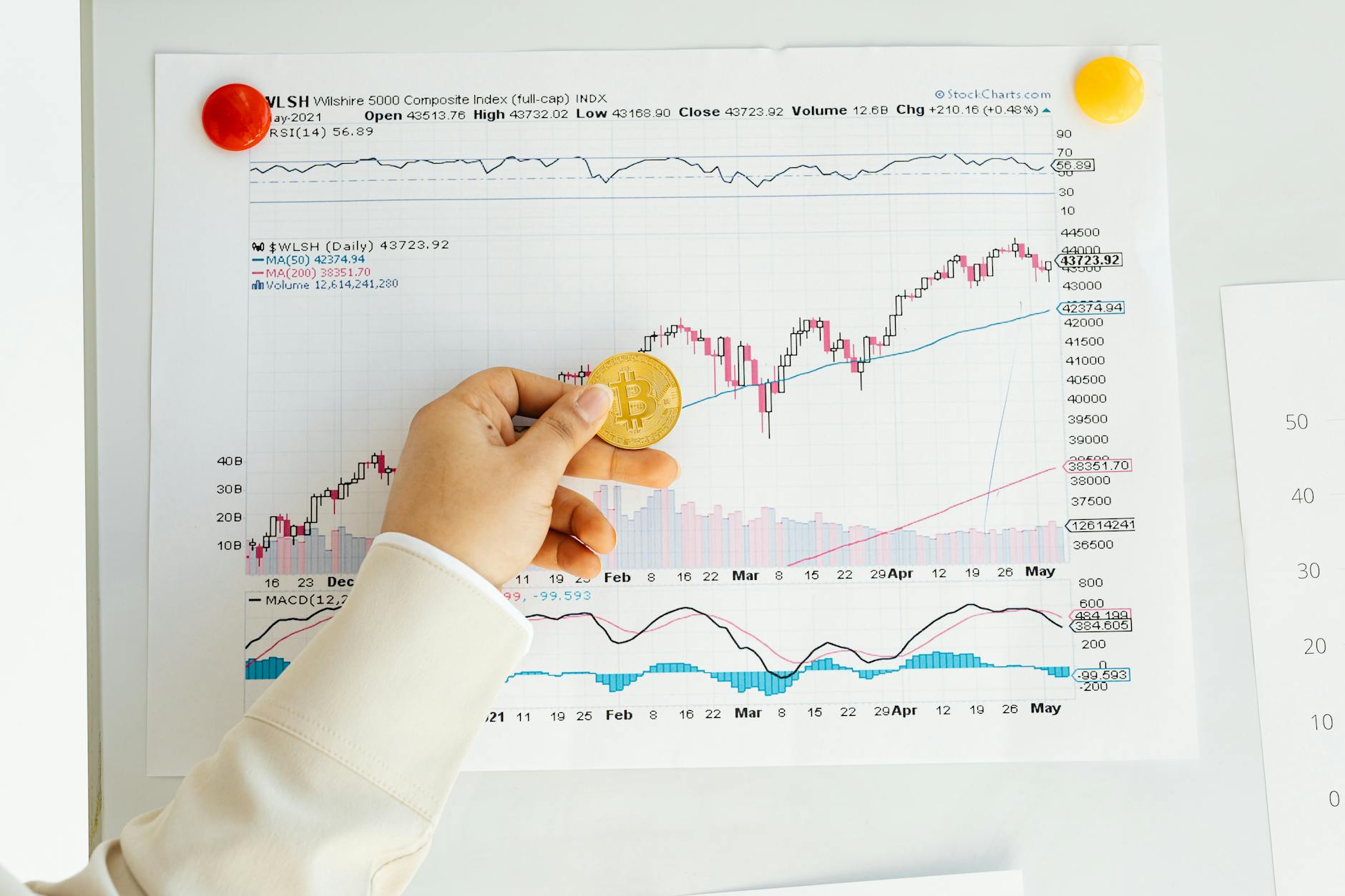
The recent dip in the CoinDesk 20, which tumbled by 4.8% to settle at 1681.25, casts a rather poignant shadow over Bitcoin's performance, which itself saw a reduction by 2.8%. Such numbers aren't just digits dipping on a screen; they provide a crucial glimpse into the volatile dance of fintech's darlings under the broader economic spotlight. For more context, the details are well outlined in CoinDesk's latest market update.
Leaders like Bitcoin and BNB, with declines less severe compared to ICP and NEAR, which plummeted by more than 14%, might suggest a relative resilience in what are considered more established assets. Yet, this is hardly a time for back-pats or self-congratulation among crypto enthusiasts. The broader message here is clear - turbulence is far from over in the crypto markets, and perhaps stability is still a distant dream.
This isn't just about the numbers. The underlying implications about investor confidence, the speculative nature of market participants, and external economic pressures cannot be ignored. When even the giants like Bitcoin seem to wobble under pressure, what does it say about the thousands of lesser-known tokens out there? Alarmist? Maybe. Realistic? Absolutely.
Interestingly, amid these market dynamics, fintech solutions like Radom's on- and off-ramping solutions become even more critical. They not only provide stability through facilitating smoother transitions between fiat and cryptocurrencies but also highlight the growing need for robust financial infrastructure to support these markets during times of volatility.
In retrospect, pulling out such insights from the mere percentage dips and leaps is crucial. It's not enough to observe; understanding the cause and effect is vital. For instance, the resilience of Bitcoin and BNB amidst general market declines could be signaling their perceived safety net by investors, which is often mirrored in traditional market behaviors seen with 'blue-chip' stocks during downturns.
Thus, while the CoinDesk 20's performance might merely be a snapshot, it’s a telling one-at least for those paying attention. The fluctuating figures remind us of the continuous adaptation required by investors and the systems that support them. In the world of fintech and cryptocurrencies, being equipped with the right tools and insights isn't just beneficial; it's imperative.
For a deeper dive into how historical trends may be signalling upcoming volatility, our analysis on Bitcoin's looming challenges could provide some foresight worth your consideration.

