
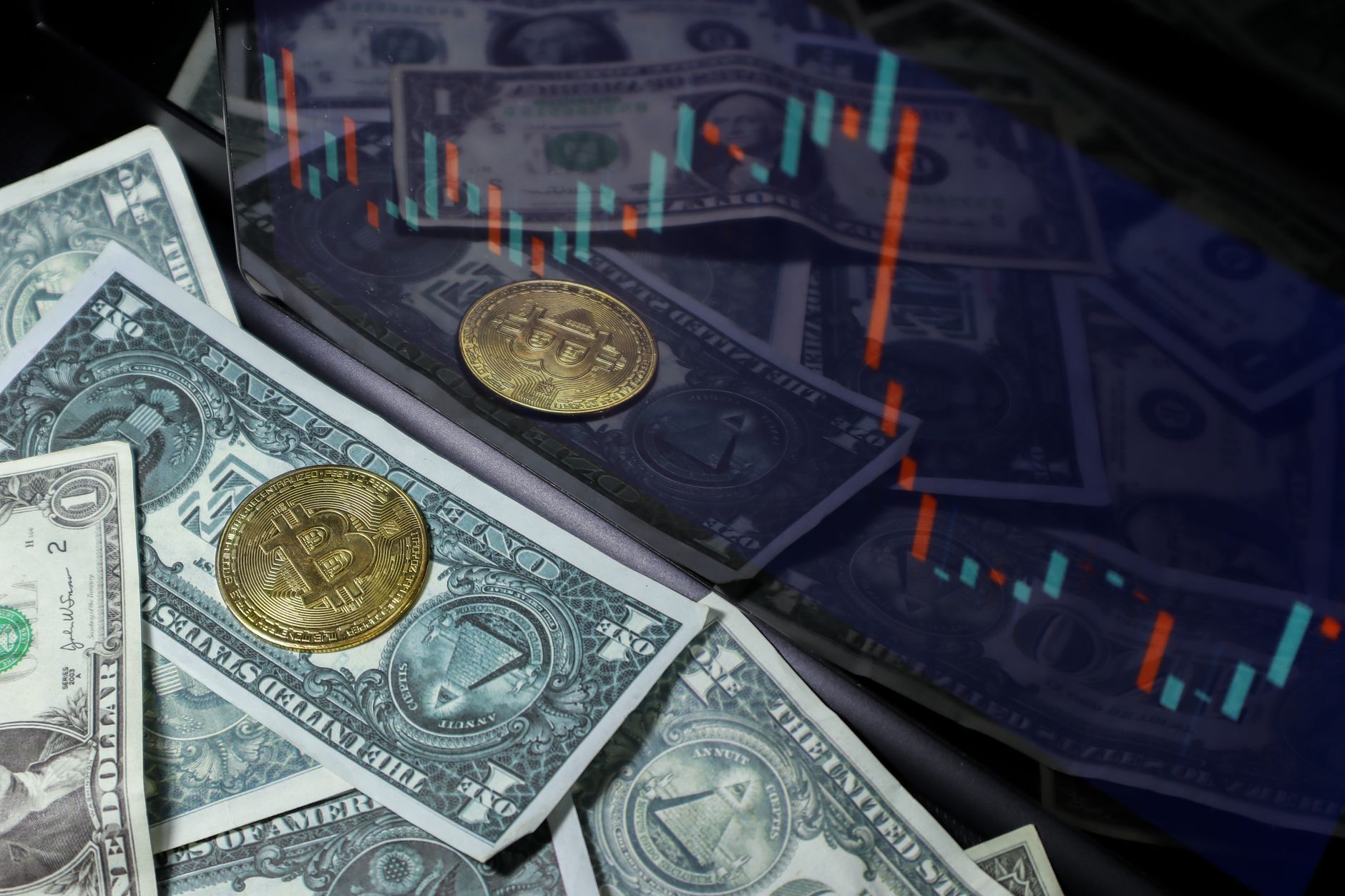
As Bitcoin teeters on the brink of a potential descent toward $60,000, the sudden rate hike by the Bank of Japan seems less like a coincidental blip and more of a heavy fist on the scale of global liquidity. Since the rate was nudged up to a 1.0% high-a figure not seen since 1995-as an answer to persistent inflation fears, Bitcoin investors find themselves bracing for impact, tethered to the whims of macroeconomic forces once again.
Let's talk numbers, because in the world of Bitcoin, history likes to repeat itself-or at the very least, rhyme. The newly heightened rate has historically spelled trouble for Bitcoin. After the last four BOJ rate increases, Bitcoin's price marked an average decrease of 5.74% over the following 30 days. This isn't just theoretical; the previous hikes have concrete figures to show declines as steep as 14.77% post-hike. Considering the current price hovers near $66,500, if the pattern holds, we could be seeing Bitcoin sag to around $62,700 shortly.
The mechanics behind this aren't just financial wizardry. Japan has long played the role of a global liquidity pump with its historically low rates, allowing traders globally to borrow yen cheaply to fund purchases of higher-yielding assets elsewhere. This includes, quite prominently, cryptocurrencies like Bitcoin. With these rates climbing, the easy money that once flowed into crypto markets may slow to a trickle, reducing the buying pressure that helped buoy Bitcoin prices.
Moreover, it's interesting to note that BOJ's rate hikes often shadow or predict broader economic slowdowns, including U.S. recessions. This pattern underscores a harsh reality for Bitcoin as a risk asset: its fortunes are still tied, perhaps inextricably, to broader, global economic currents rather than standing independent as the 'digital gold' many proponents claim it to be.
The implications extend further into crypto payment solutions. For companies leveraging crypto for cross-border payments, the potential decrease in liquidity and subsequent volatility may necessitate a reevaluation of risk management strategies and operational resilience plans. A look at our crypto payment solutions would be timely, illustrating how businesses can maintain operational efficiency even amidst market turbulence.
Meanwhile, for those eyeing the broader implications of Japan's monetary policy shifts, a nuanced understanding of global economic interdependencies remains critical. As traditional financial institutions grapple with inflation and adjust their sails accordingly, decentralized currencies will continue to experience fallout, for better or worse. This dynamic might fine-tune our approach to investing in or utilizing Bitcoin and other cryptocurrencies, recognizing their complex dance with global economic policies.
Returning to the immediate effects on Bitcoin’s price trajectory, if Japan continues this pattern of rate hikes, we may see further downward pressure on Bitcoin prices as traders adjust to a diminished liquidity environment. Prospective and current investors ought to keep a close eye on these macroeconomic indicators as they are proving, time and again, to be vital predictors of crypto market movements.
As we monitor this situation, it's also a good time to consider how changes in monetary policy might offer buying opportunities or warning signs, depending largely on one's risk appetite and investment horizon. Pragmatism should be the guiding principle here, as the intersection of high finance and high tech continues to present both perils and possibilities.
Ultimately, as Bitcoin tests new psychological support levels in the wake of Japan's monetary tightening, the broader lessons are clear: in the world of cryptocurrency, as in any market, no asset is an island. Understanding the ripple effects of economic policies worldwide could be the difference between navigating these turbulent waters successfully or being caught in the undertow.

