
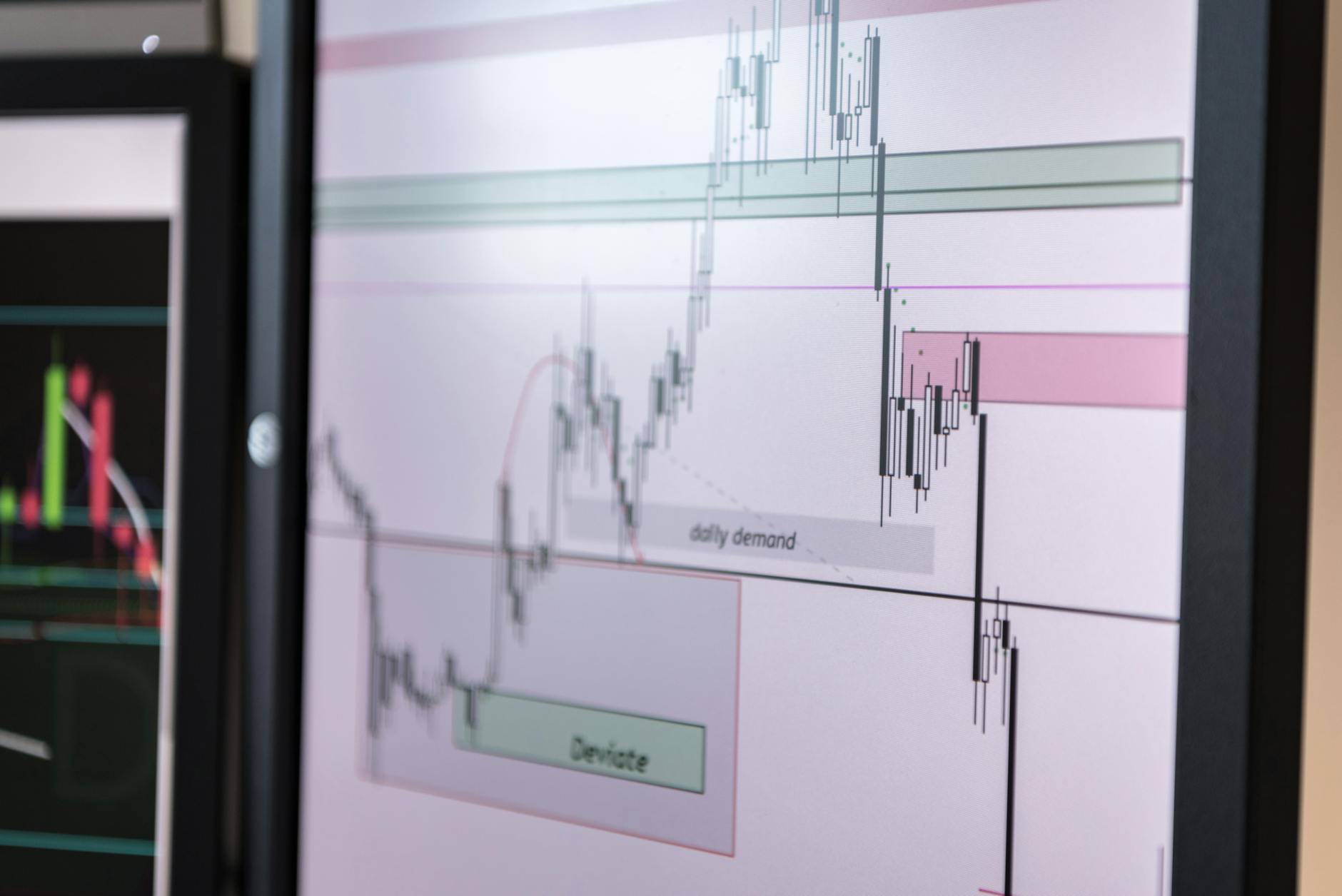
Bitcoin's recent upward price trajectory, despite ongoing market trepidation, has once again sparked discussions about its valuation in relation to broader economic indicators. According to Bitwise's head of research in Europe, André Dragosch, while the cryptocurrency does not typically show swift recoveries post-capitulation, there are underlying metrics that suggest a noteworthy underestimation of its true value. This notion is particularly riveting, considering the stark market sentiment where the "Fear and Greed" index signals relentless "extreme fear."
Dragosch points to several optimistic indicators amid the cautious landscape. The analysis shared with CoinDesk underscores a misalignment between Bitcoin's price and its relative valuation against the global money supply and gold. Moreover, it's important to note Bitcoin's inelastic nature with global liquidity, which is expanding annually by more than 10%. Historically, such environments haven't corresponded with prolonged bear markets for Bitcoin, suggesting potential for growth under current conditions.
Interestingly, while Dragosch dismisses the idea of Bitcoin being a "canary in the macro coal mine" for global economic distress, large Bitcoin holders have nonetheless initiated significant coin transfers to exchanges like Binance. This activity often indicates a readiness to sell, potentially increasing supply in the spot markets and placing downward pressure on prices. Such market dynamics necessitate keen observation as they could counteract underlying bullish signals.
On a legislative front, the predictive markets are casting favorable odds for the U.S.'s Clarity Act, anticipated to pass in 2026, which could be a significant catalyst not just for Bitcoin but for the broader spectrum of digital assets including Ethereum and Solana. Such regulatory advancements are essential in paving a clearer path forward for cryptocurrency integration into mainstream financial systems.
Conclusively, while Bitcoin's price may be swaying under the cloud of market skepticism and looming sell-off signals, the macroeconomic comparisons and legislative progress present a silver lining. For investors and market spectators, the evolving dialogue between Bitcoin's market behavior and its economic underpinnings will likely dictate the strategic positioning required in navigating the cryptocurrency landscape. As the market heads into potentially volatile times, highlighted by key U.S. economic data releases such as the core PCE index, staying informed and agile will be paramount.
For those looking deeper into crypto payments and how they integrate with current economic structures, checking out Radom's insights on crypto payments can provide valuable context to the ongoing discussions surrounding market valuations and investment strategies.

