
Bitcoin's Stability Falters Amid Renewed Geopolitical Tensions Following Iran Strikes, Analysts Caution About Potential Trading Stagnation
As geopolitical tensions escalate in the Middle East, Bitcoin's reaction highlights its role as both a geopolitical barometer and a financial asset, potentially entering a 'range trap' scenario due to cautious investor behavior and significant price resistance from those holding coins purchased at higher values. This situation demands a sophisticated understanding of market dynamics, blending traditional financial analysis with cryptocurrency trends to navigate the ongoing uncertainties.
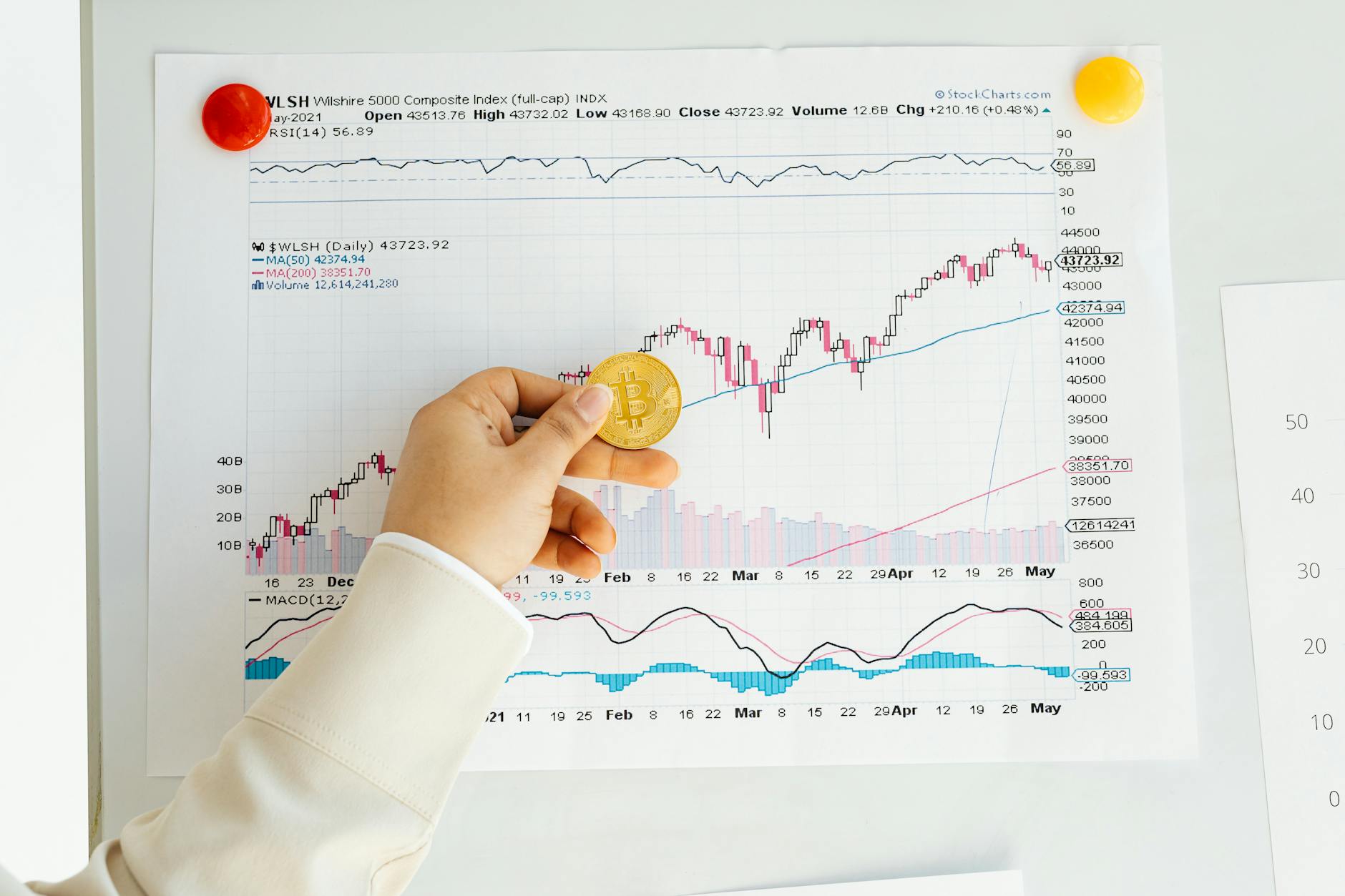
In the mercurial world of cryptocurrency, Bitcoin's stability is once more under the microscope as geopolitical tensions in the Middle East heat up, notably following recent strikes in Iran. Analysts are pointing towards a potential 'range trap' where Bitcoin might oscillate without clear direction, largely due to resistance from investors who bought at higher price points.
Bitcoin's price behaviors often reflect broader economic sentiments, acting as a barometer for geopolitical stability and investor confidence. The recent flare-up in tensions following the Iran strikes has instilled a sense of caution among investors. This geopolitical unrest appears to be setting the stage for a stagnation in trading activities, as suggested in a detailed analysis by The Block. Here, Bitcoin's reaction is not just a financial reflection but a geopolitical indicator.
Under such circumstances, investors traditionally seek stability. However, for cryptocurrencies like Bitcoin, which are often seen as alternative investments or 'safe havens', the increased geopolitical risk can lead to heightened volatility. Notably, the term 'range trap'-used to describe a market that moves within a tight price range-might become a common scenario for Bitcoin if investors remain cautious and trading volumes subside.
Furthermore, this situation is exacerbated by investors termed 'underwater'-those who purchased Bitcoin near its highs (around $79,000) and are reluctant to sell at a loss. Their hope for a rebound builds a price resistance level that can be tough to break unless a significant market catalyst occurs. This friction between waiting for potentially higher returns and cutting losses short contributes to the stagnation in trading dynamics.
However, beyond the immediate trading implications, the current geopolitical tensions and their impact on Bitcoin offer a broader lesson on the integration of traditional market dynamics with the relatively new digital currency markets. As Bitcoin and other cryptocurrencies become more entrenched in financial systems worldwide, their reactions to international events can provide critical insights into global market sentiments and risk appetite.
For businesses and platforms engaged in crypto transactions, understanding these dynamics is crucial. Companies like Radom, which provide on- and off-ramping solutions, must account for such fluctuations and geopolitical events in their operational and risk management strategies. It is not just about providing access to digital currencies but also about ensuring that such access aligns with current market conditions and trader sentiments.
This juxtaposition of traditional market principles-like investor behavior during times of geopolitical tension-with the nascent technology of digital currencies creates a complex tapestry for analysts and investors alike. It demands a nuanced approach to market analysis where historical data from traditional markets must be blended with emerging trends in the crypto space. Herein lies the delicate balance of innovation and adaptation that must be navigated by companies involved in the ecosystem.
In conclusion, Bitcoin’s current predicament amidst renewed geopolitical tensions provides a stark reminder of the cryptocurrency’s sensitivity to global events. It serves as a litmus test for investor confidence in digital currencies during periods of international uncertainty. As the situation develops, it will be imperative to watch how these dynamics evolve and what new patterns emerge in the trading landscape of cryptocurrencies.
Exploring how this affects your payment flow?

