
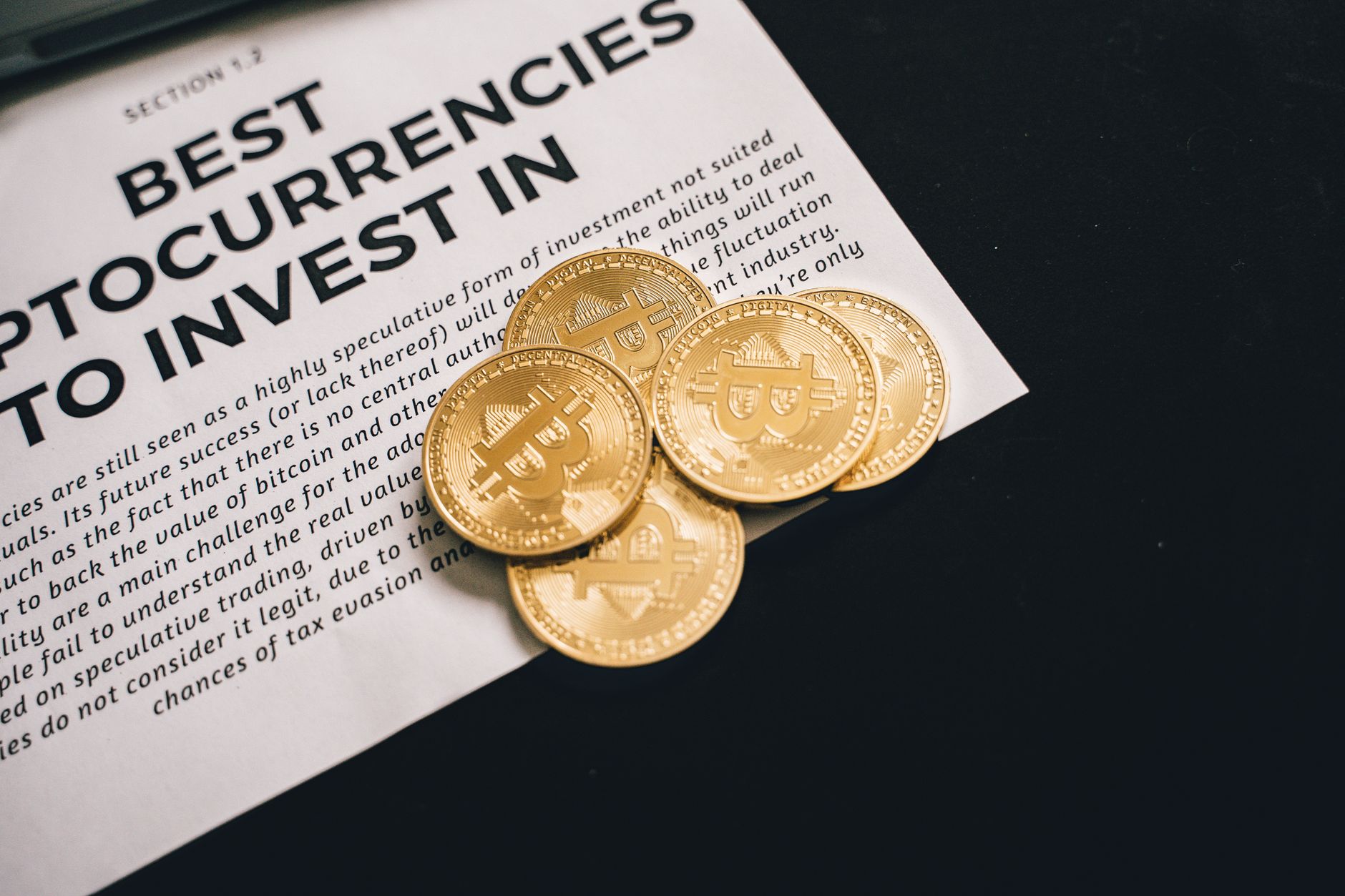
Bitcoin's recent surge past the $64,000 mark is not merely a number on a chart; it contextualizes the broader interplay between global geopolitical stability and the cryptocurrency market dynamics. This uptick to more than $64,200, as reported by CoinDesk, aligns closely with optimistic developments in the Middle East, specifically an impending peace deal involving Pakistan and Iran.
The correlation between such geopolitical events and market movements is often anticipated, yet the scale and immediacy of the reaction can still surprise. The statement from Pakistan's Prime Minister about the nearing peace agreement appears to have acted as a catalyst, injecting a robust confidence into the market-confidence that manifested in significant inflows to U.S. spot Bitcoin ETFs. These inflows, totaling $85.9 million in just one day, mark the largest since May and underscore a revitalized investor interest and optimism in the stability of Bitcoin as an asset class.
Such a scenario raises pertinent questions about the nature of Bitcoin as a 'safe haven' asset. Traditionally, this term was reserved for commodities like gold or even certain government bonds, but Bitcoin's increasingly prominent role in such situations suggests a shift in investor perception. The immediacy of Bitcoin's response to global events might be an indicator of its maturing role in investment portfolios as both a hedge and a high-return asset.
However, while the upswing reflects positively on market sentiment, it also highlights the continuing volatility inherent in cryptocurrency investments. Despite its potential for high returns, Bitcoin can still experience rapid price changes, influenced by both external geopolitical events and internal market dynamics. For investors and market analysts, this volatility represents both a risk and an opportunity-an aspect thoroughly examined in a recent Radom Insights post discussing financial markets' reactions to geopolitical tensions.
Looking ahead, it's essential for both seasoned investors and newcomers to consider the holistic environment in which cryptocurrencies operate. The interlink between global events and crypto markets is undeniable, and understanding this relationship can be key to navigating the investment landscape successfully. As we further integrate cryptocurrencies into mainstream financial systems, their responsiveness to global events will likely be a recurring theme, shaping strategies and decisions in the fintech sector.
Moreover, for companies leveraging cryptocurrencies in their operations, whether through direct investment or as a mechanism for transactions like those facilitated by Radom’s crypto payment solutions, staying informed about such market dynamics is crucial. It not only aids in better financial planning and risk management but also enhances the strategic positioning of businesses in a rapidly evolving digital economy.
In essence, the recent surge in Bitcoin’s value isn't just a testament to its growing acceptance and resilience as an asset class but also a prompt for broader strategic thinking in financial practices and investment approaches in the digital age.

