
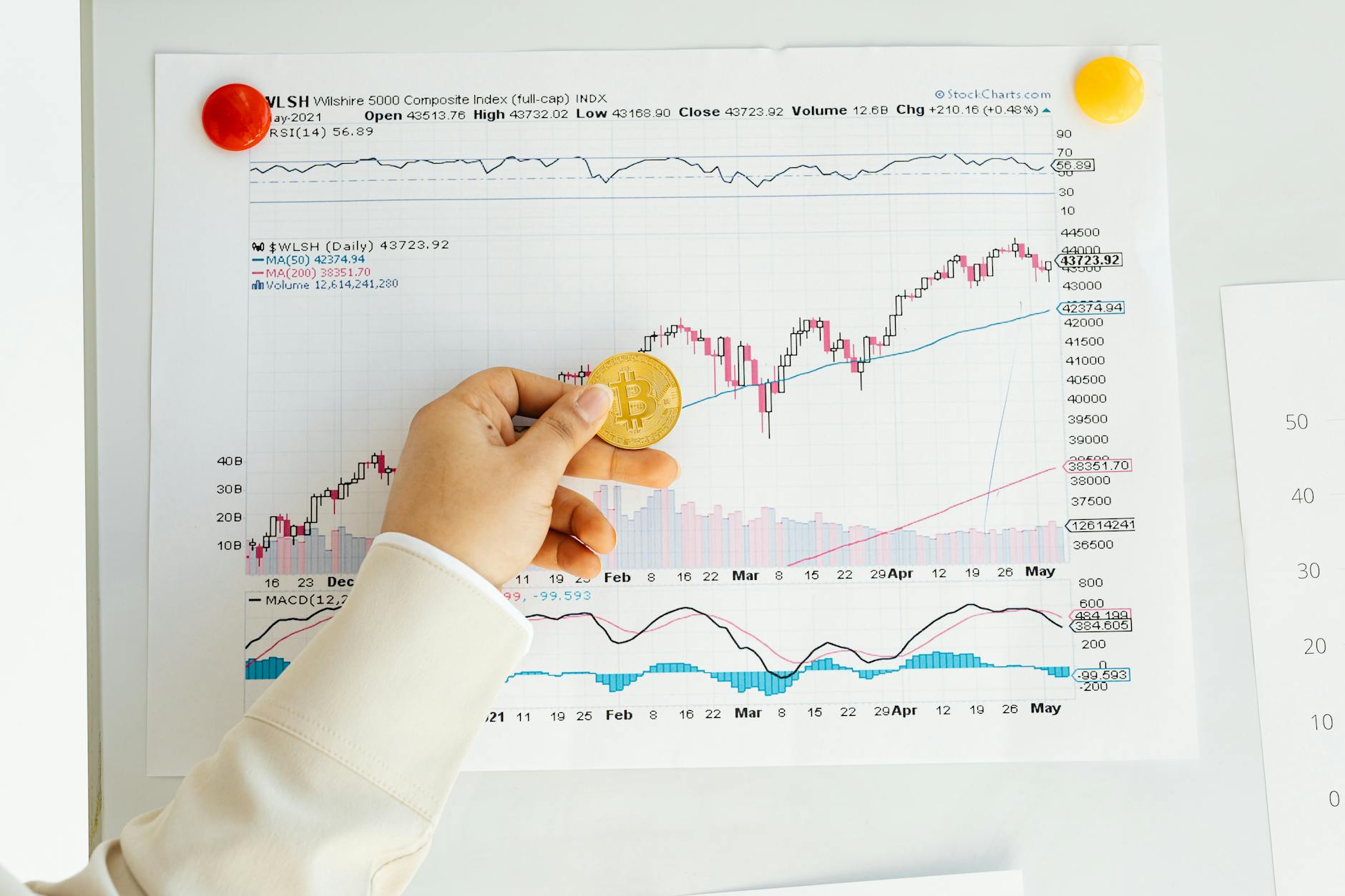
Bitcoin's descent to roughly $62,000-down notably by 1.9% on the day and a significant 14.5% over the week-signals a broader recalibration within the cryptocurrency and equity markets, particularly in reaction to the faltering AI trade. This downturn, as reported by CoinDesk, isn't just a standalone crypto phenomenon but a snippet of a broader economic narrative featuring tech sector volatility and investor sentiment shifts.
The recent trajectory of Bitcoin and its peers like Ether and Solana, which saw losses of 4.8% and 5.4% respectively, isn't merely crypto-centric turbulence. The downturn correlates with broader tech sector weaknesses, highlighted by Broadcom's AI-chip revenue forecast falling short of investor expectations. This news stifled the optimism surrounding semiconductor stocks, which had been enjoying a robust rally from their previous lows driven by geopolitical tensions.
Such corrections are indicative of a more cautious approach by investors, magnified by movements in traditional equity and currency markets. South Korea's KOSPI and Nasdaq futures have both dipped, accompanying a noticeable retreat in the Korean won and the Indonesian rupiah amidst foreign capital outflows. Yet, in a contrasting move, the Indian rupee saw an uplift after proactive measures by the Reserve Bank of India to attract capital inflows, emphasizing the uneven impact of global market dynamics.
Within the crypto domain, HYPE-a token previously resilient in its market position-has not been spared, experiencing a staggering 14.8% decline. This sharp drop erased much of its recent gains, leaving it with a marginal 1.5% weekly increase. This shift is part of a larger narrative where even high-cash-flow tokens haven't escaped the market's bearish claws, suggesting a short-lived investor faith in crypto as a safe harbor under current conditions.
Furthermore, the outflows from U.S. spot bitcoin ETFs, which have persisted over 13 consecutive sessions, underscore a broader hesitation among institutional investors. The ongoing sale of BTC by enterprises like Strategy-to cover obligations like preferred stock dividends-points to a strategic reshuffling rather than mere reaction to market tremors. This concerted pullback from Bitcoin investments may well be recalibrating the foundational support levels for crypto valuations.
Looking forward, the upcoming U.S. nonfarm payrolls report will be a critical litmus test for the market. A weaker than expected job growth could tilt the Fed's hand towards easing monetary policies under the stewardship of chair Kevin Warsh. Such a scenario could potentially rejuvenate the AI sector and provide a temporary uplift for cryptocurrencies, linking macroeconomic indicators with crypto market sentiments.
The current market scenario offers an intricate view into how intertwined traditional financial markets and the crypto industry have become. The movements in semiconductor stocks, influenced by AI chip demands and broader economic indicators like job reports, are increasingly mirrored in the volatility of crypto assets. This interdependency highlights a maturing yet cautious approach by investors who are now reacting not just to crypto-specific news but to a global economic dashboard. The lessons here underscore the need for investors to maintain a diversified and informed portfolio, balancing between high-growth potential assets and safer bets, especially in times of heightened market uncertainty.
For businesses and individual investors engaged in cryptocurrency, understanding these dynamics proves crucial. Adjusting strategies to better harness these insights can provide a competitive edge, an aspect thoroughly supported through Radom's comprehensive on- and off-ramping solutions, which aid in navigating these complex market waters seamlessly.
In conclusion, the crypto market, much like its traditional counterparts, continues to evolve under the influence of global economic forces. Staying informed and agile in response to these shifts will be key to navigating future uncertainties successfully.

