
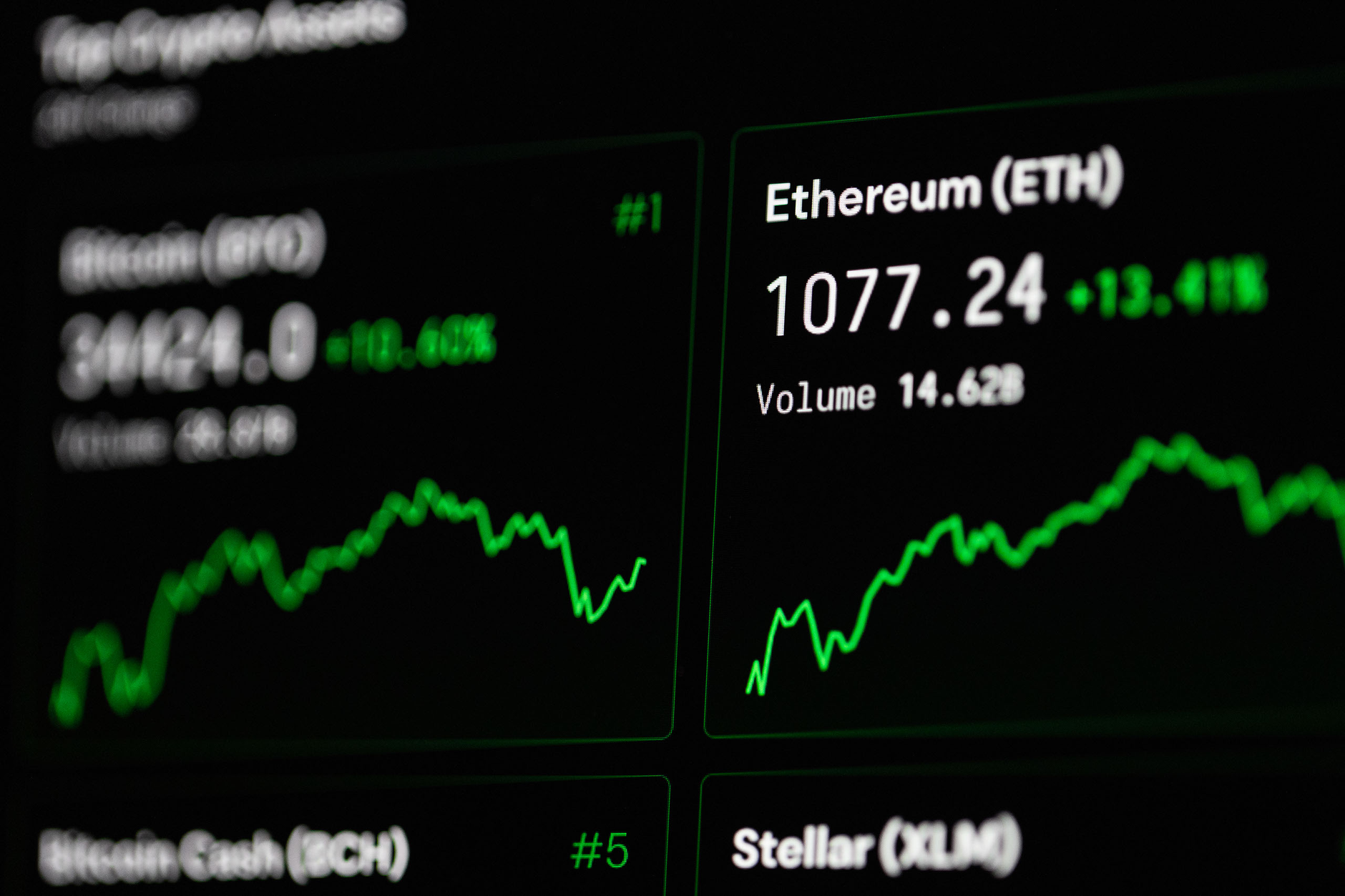
In a stark reminder of cryptocurrency's sensitivity to broader economic pulses, Bitcoin's price tumbled below $63,000, erasing the buoyant gains it had recorded earlier in the week. This downturn mirrors a broader sell-off in risk assets globally, driven by the shifting sands of geopolitical and economic narratives.
The dynamics of Bitcoin and other cryptocurrencies like Ether, Solana, and BNB often reflect wider market sentiments that transcend the digital asset space. According to CoinDesk, Bitcoin slipped to around $62,700, a dip of 1.9% over a 24-hour period and marking a decrease of 1.3% weekly. This decline isn't isolated; major altcoins also saw similar, if not steeper, downward adjustments.
This correlation with global market events goes against the narrative that digital assets act as safe havens during times of financial instability. Instead, cryptocurrencies are proving to be as susceptible to shifts in investor sentiment as their traditional counterparts. This susceptibility was evident as markets reacted sharply to the U.S-Iran peace deal earlier in the week, only to retract gains as the euphoria subsided.
The crypto space is notoriously volatile, and recent events serve as a potent reminder of this nature. Despite significant advancements in the blockchain ecosystem, from improvements in scalability to enhanced regulatory clarity, the intrinsic links between global market behaviors and crypto valuations remain strong. For instance, broader economic indicators, such as inflation rates, policy changes by central banks, and geopolitical tensions, continue to impact investor behavior across the board.
This recent downturn also highlights the importance of strategic diversity in investment portfolios. Within a landscape as unpredictable as cryptocurrency, the value of such diversity cannot be overstated. By spreading investments across various asset types, investors can potentially mitigate the risks associated with sudden market shifts. Applying traditional investment wisdom in the crypto sphere-like the inclusion of stablecoins or leveraging options for hedging-can be particularly prudent.
Interestingly, amidst this broad decline, there's a silver lining. Hyperliquid's HYPE token, despite slipping 3.7% on the day, emerged as the week's best performer with a 13.2% gain. This is reflective of the nuanced undercurrents within the crypto market, where individual tokenomics can defy broader trends. Such outliers emphasize the complex interplay of factors-ranging from project-specific news to technological advancements-that can drive value contrary to general market movements.
Moreover, the resilience of Tron, which held flat amid the downturn, underscores the varied reactions of different blockchain projects to market stimuli. Each cryptocurrency operates within its own niche, influenced by unique factors that can buffer or expose it to macroeconomic trends.
For businesses and individual investors engaged in the crypto space, understanding these intricate relationships is crucial. Adequate due diligence, continuous market analysis, and a judicious use of crypto-focused financial services, like those offered by Radom's on- and off-ramping solutions, are indispensable tools in navigating this volatile landscape.
In conclusion, while the crypto market may offer the allure of high returns, its integration with broader financial ecosystems subjects it to similar volatilities faced by traditional markets. As the digital asset space matures, the development of more robust financial products and deeper market liquidity will be key to enhancing its stability and reducing its susceptibility to external shocks.

