
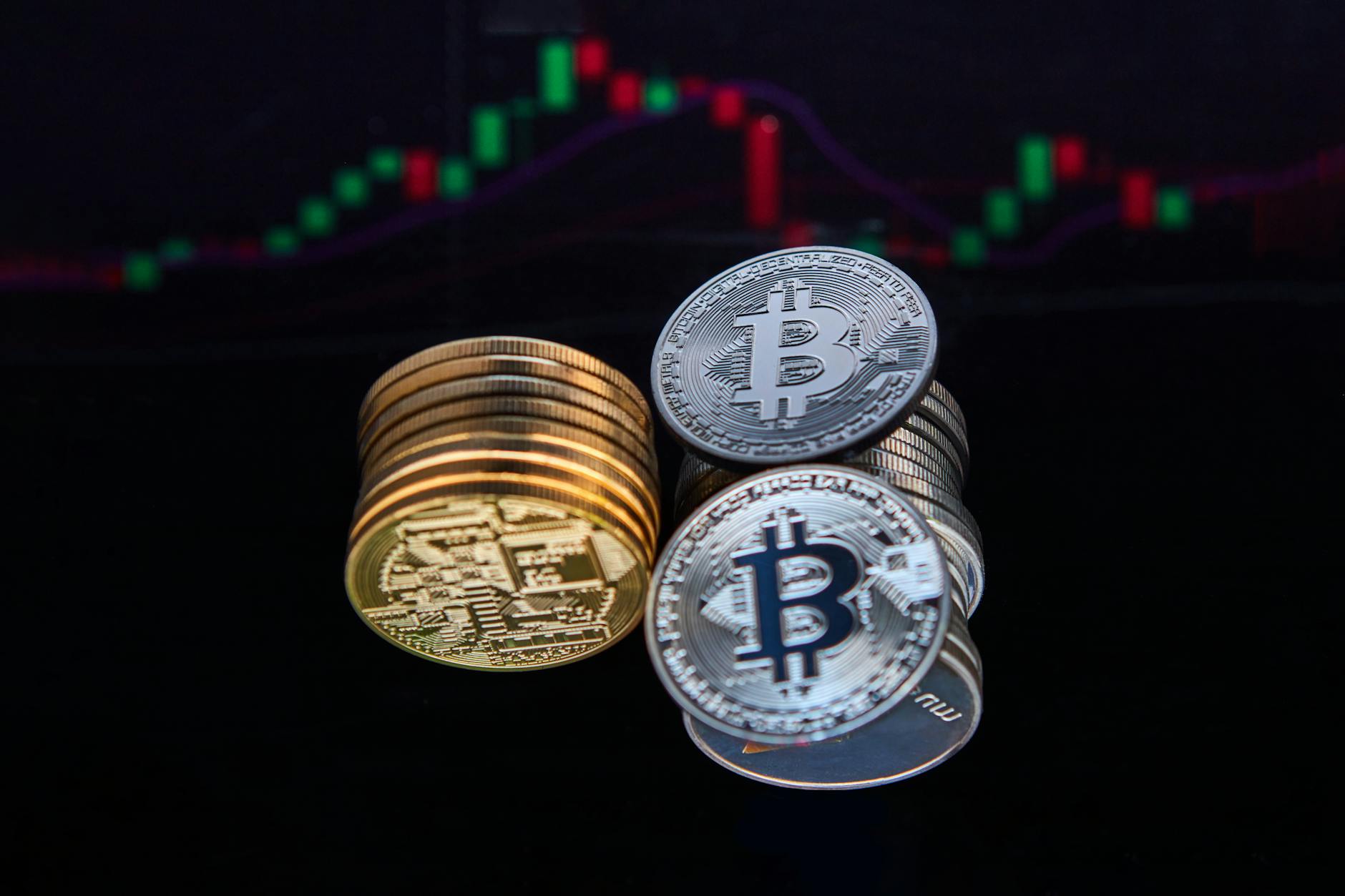
Amid a broader downturn in the equities market, Bitcoin's valuation seems unfazed, holding steady around the $61,000 mark. This resilience stands out, particularly when conventional investing wisdom often predicts a move towards safer assets in turbulent times. As reported by CoinDesk, this behavior underscores a nuanced shift in investor sentiment and strategy, especially among institutional players.
Josh Barkhordar's observation that institutional investors are adopting a defensive posture is particularly telling. The move towards using options strategies to hedge against downside risk, as well as a shift into cash for capital preservation, indicates a broader strategy of risk aversion. However, the fact that Bitcoin has not only held its value but has also seen moments of appreciation suggests its evolving role as a potential 'safe haven' during times of geopolitical unrest.
This divergence between traditional financial assets and Bitcoin in the current economic climate could be illustrative of a deeper change in the asset allocation strategies employed by institutional investors. Typically, such investors have leaned towards gold or other precious metals during times of uncertainty. Bitcoin's sustained price level, despite these market conditions, might indicate its maturing perception among these large-scale investors-a subject explored in a recent Radom Insights post.
Moreover, the strategic use of options by these institutional players reflects a sophisticated approach to managing crypto holdings. It's not merely about capital growth anymore; it's increasingly about stability and risk management. This could signal a shift towards more regulated, mainstream finance techniques being applied in the crypto space, which might attract more conservative investors over time.
For businesses and developers in fintech, particularly those involved in creating or managing fintech infrastructure like on- and off-ramping solutions, this represents an important pivot. Understanding the risk management strategies that are being applied in traditional finance sectors and how they can be adapted to the crypto market, might provide new avenues for product development and service enhancements.
In conclusion, Bitcoin’s stable price in the face of a declining equities market isn't just a news item about price levels. It's a signal of the cryptocurrency's continuing integration into broader, more traditional segments of the financial markets. For fintech professionals and investors alike, it's a development that warrants careful analysis and consideration in the context of wider economic movements and potential long-term impacts on portfolio strategies.

