
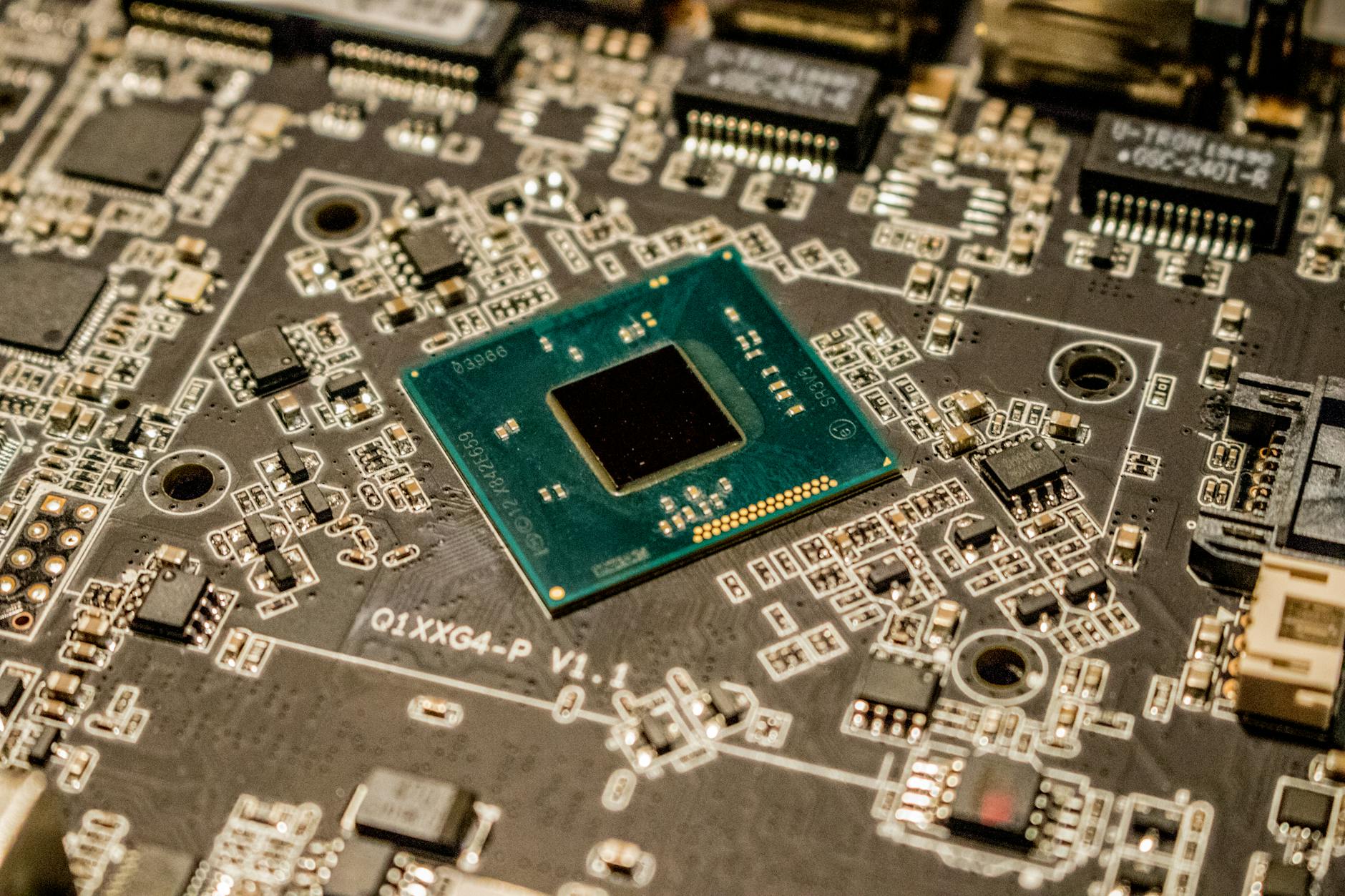
Bitfarms has seen its stock plummet nearly 18% following a decision that marks a significant pivot in its business strategy: the phasing out of Bitcoin mining operations in favor of harnessing the burgeoning sectors of artificial intelligence (AI) and high-performance computing (HPC). This decision underscores a broader trend in the crypto mining industry, driven by evolving economic realities and shifting business priorities.
The crypto mining behemoth announced that its 18-megawatt site in Washington will kickstart this transition, with a complete overhaul expected by December 2026. Bitfarms’ bullish bet on AI and GPU-as-a-Service, as articulated by CEO Ben Gagnon, hints at a strategic maneuver to capitalize on potentially higher returns than those harvested from years of Bitcoin mining. But beyond corporate earnings calls and investor presentations, what does this shift really signify for the industry?
Bitcoin mining, once a lucrative pursuit for U.S. companies, is rapidly becoming a game of thinner margins and thicker competition. Increasing operational costs and the escalating difficulty of mining activities are pushing U.S. players towards alternatives with more enticing economic prospects. It’s not just Bitfarms making the leap; earlier this month, IREN inked a whopping $9.7 billion deal with Microsoft, focusing on AI compute capabilities. As reported by CoinTelegraph, these moves are indicative of a paradigm shift within the sector.
Yet, shifting from Bitcoin mining to AI isn’t just about following the money-it’s also about strategic adaptation. Mining's energy-intensive demands and geopolitical sensitivities are increasingly at odds with corporate operational sustainability and risk management. Unlike traditional mining, AI and HPC operations require stable infrastructures and substantial local investments, which are abundantly available in the U.S.
The attractiveness of the U.S. as a hub for AI and HPC investments cannot be overstated, and Bitfarms’ strategy seems to be less about abandoning a sinking ship and more about steering towards uncharted, potentially more profitable waters. This move might also serve as a bellwether for other U.S. miners facing similar economic pressures, suggesting a trend towards a more diversified approach to leveraging blockchain and computational technologies.
However, one must ponder: Is the transition from Bitcoin mining to AI and HPC a preemptive strike against future financial downturns or a reactively crafted escape route from the Bitcoin bust? While the shift promises new revenue streams, it also demands hefty initial investments and a steep learning curve in highly competitive new tech arenas. Furthermore, this pivot risks alienating the hardcore Bitcoin mining community, potentially trading short-term gains for long-term trust and brand loyalty.
Ultimately, Bitfarms’ bold move is a significant gamble that will test the company's adaptability and foresight. It reflects broader industry dynamics where businesses must swiftly adapt or risk obsolescence. For Bitfarms, the aim is clear: transform today's computational power into tomorrow's AI-driven profit, but whether this translates into sustainable success remains an open question in the volatile realm of high-tech ventures.

