
Broadcom's stock dips despite achieving unprecedented $22 billion in revenue and significant 143% growth in AI chip sales.
Broadcom's fiscal report reveals a staggering 143% surge in AI chip sales, totaling $10.8 billion in just one quarter, yet the company's stock experienced a 4% decline, underscoring a classic market reaction of "buy the rumor, sell the news." As the tech giant now projects AI revenues to exceed $16 billion next quarter, this ambitious forecast highlights the rapid growth and intense competition in the AI sector, where companies like Google and Meta are significant players.
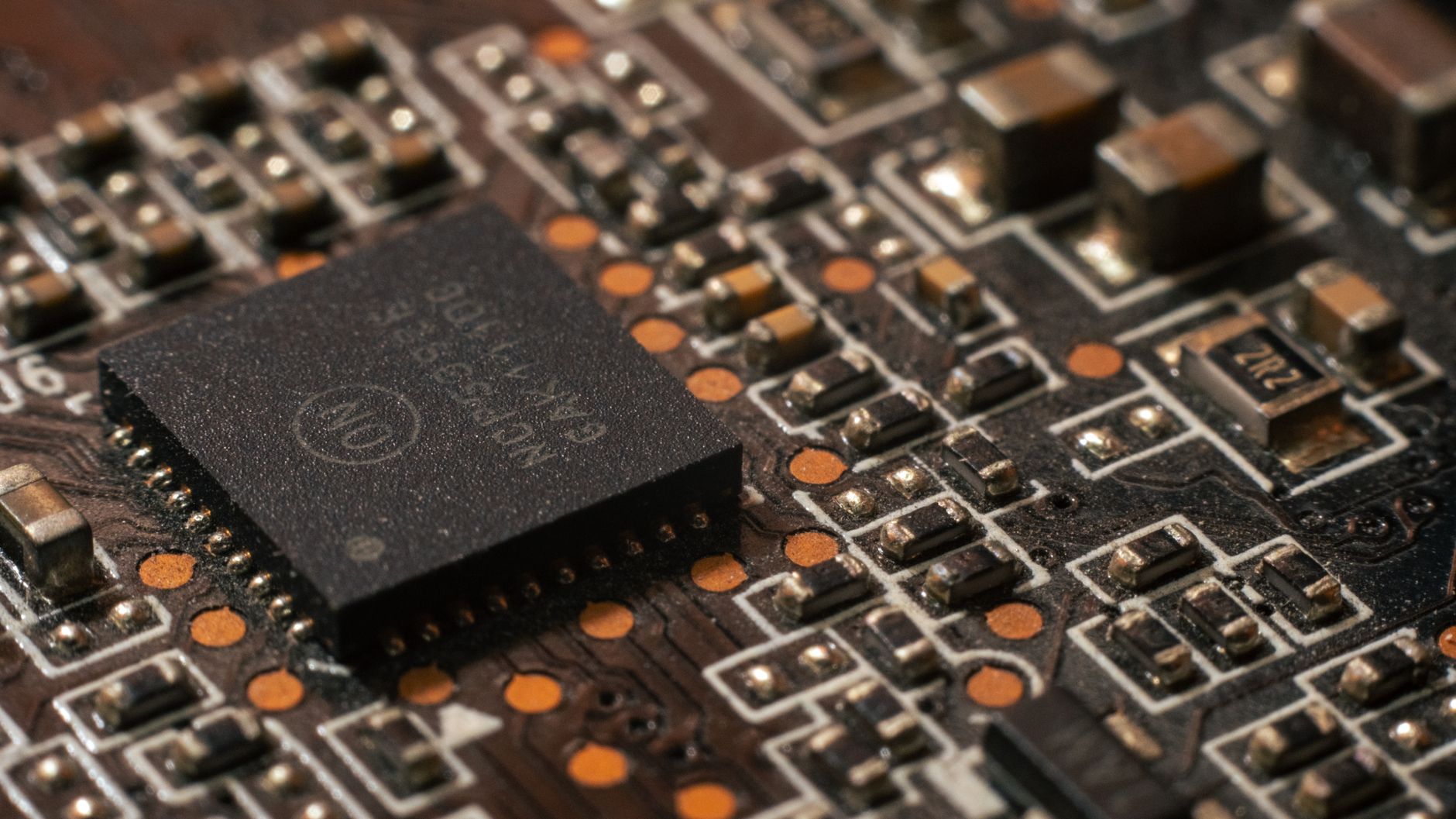
Broadcom's recent fiscal report should be a reason for celebration - $22.19 billion in revenue for the second quarter of 2026, a 48% increase over last year, and a mind-boggling 143% spike in sales from its AI chips. Yet, the stock took a 4% hit. What's going on here?
Financial markets, in their essence, are forward-looking beasts. The dip in Broadcom's shares, despite their stellar earnings report, is a textbook example of "buy the rumor, sell the news." Basically, the market had already priced in Broadcom's strong performance. By the time the actual numbers hit the headlines, investors were ready to cash in and move on to the next big thing. More on this can be seen in a recent analysis by Crypto Briefing.
The details of Broadcom's report are worth dissecting. Its AI semiconductor revenue reached $10.8 billion in just one quarter, which was almost in line with the company’s own predictions. This was not a surprise to seasoned investors who track such projections closely. The company's CEO, Hock Tan, is now setting sights higher - guiding for more than $16 billion in AI revenue for the upcoming quarter. This ambitious target implies a year-over-year growth of around 200%. If achieved, it would solidify Broadcom's position in the AI chip market, currently under a spotlight as tech giants battle for supremacy in this burgeoning sector. Broadcom's order backlog, exceeding $70 billion, confirms sustained demand and offers a clear revenue path forward.
However, let's talk about the broader implications of these numbers. Broadcom's explosive growth in AI chip sales isn't just a win for their shareholders. It's a barometer for the tech industry at large. Companies like Google, Meta, and OpenAI, who are on Broadcom's client list, are pouring resources into AI research and development, signaling a bullish outlook on AI's capabilities and applications. This, in turn, could predict trends in other sectors reliant on AI technology.
Investors reading between the lines of Broadcom's financials should also consider the potential ripple effects. Increased AI capabilities could drive further innovation in sectors like autonomous driving, health tech, and more. As Broadcom and its peers race to meet the hardware demands of AI advancements, we might see shifts in other related industries - something to keep an eye on.
For those focusing on the AI stock trade, understanding the nuances behind these numbers is crucial. Broadcom's forecast isn't just impressive; it's a clear signal to the market about the anticipated trajectory of AI development and adoption. While the immediate market reaction might seem counterintuitive, it's a reflection of seasoned investors trading on expectations, not just results.
Finally, it's essential to factor in the long game. Broadcom's stock dip on good news might seem like a paradox, but it's a common market behavior reflecting the complex interplay of investor expectations, company performance forecasts, and broader economic indicators. Investors looking to capitalize on trends in tech and AI need a strategy that considers these subtleties, keeping an eye on both immediate gains and long-term potentials.
In summary, Broadcom's financial achievements are a beacon for both the company and the broader tech industry, signaling strong forecasted growth in AI applications and technology. As the AI landscape evolves, companies at the forefront like Broadcom are not just financial investments; they are proxies for betting on the future of technology.
Exploring how this affects your payment flow?