
Challenges Emerge in Starship's Quest for Reusability Following Recent SpaceX Developments
SpaceX faces significant financial and operational challenges as revealed in their latest SEC filings, indicating a potential shift away from their cornerstone goal of fully reusable rockets, which could impact the long-term viability of their ambitious Starlink satellite network. Despite generating $11.4 billion in revenue last year, the high costs of maintaining and replacing its satellite fleet pose a sustainability challenge, with implications that could threaten the company's market dominance.
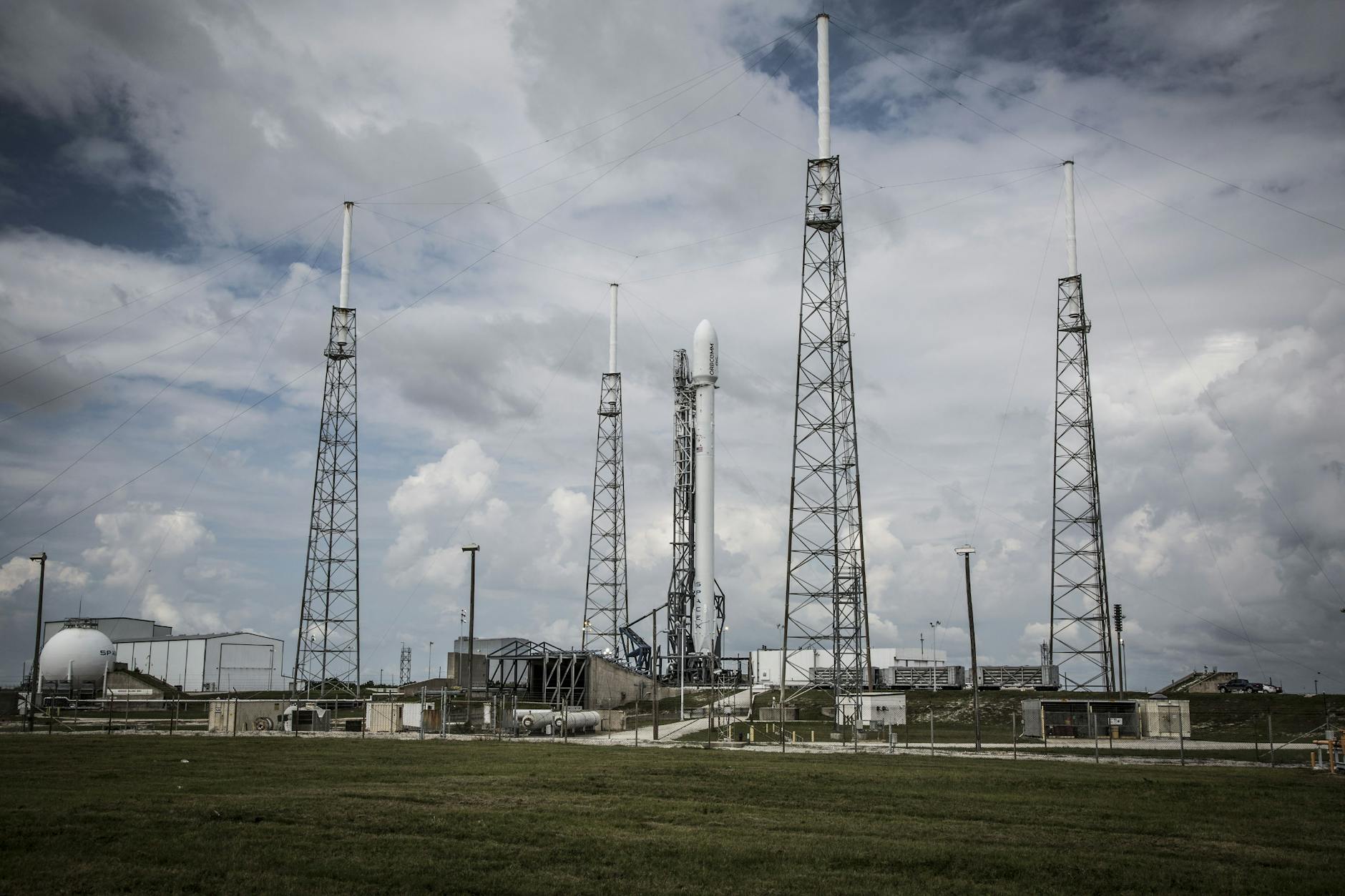
SpaceX's recent initial public offering and the test flight of the Starship rocket provided much fodder for both space enthusiasts and market speculators. However, the revelations from their latest Securities and Exchange Commission S-1 filing suggest an intriguing, albeit challenging, path ahead for the company's ambitious rocket reusability goals.
The economic backbone of SpaceX, at this juncture, is undeniably Starlink, its satellite communications venture, which clocked in a handsome $11.4 billion in revenue last year. While these figures are impressive, they mask an underlying sustainability challenge - the high cost of maintaining and replacing a sizeable fraction of its satellite fleet annually. According to TechCrunch, since the onset of 2023, SpaceX has injected more cash into keeping its satellites aloft ($11.4 billion) than it has into the construction of Starship and its related infrastructure ($8.4 billion). This is a massive capital expenditure cycle that could deter less stalwart entrepreneurs.
Elon Musk has been vocal about the critical role of Starship in controlling these skyrocketing costs, asserting that without it, bankruptcy could loom, a stark admission that underscores the gravity of their financial model. More troubling, however, was the admission in the S-1 that achieving full reusability of Starship - a cornerstone for reducing launch costs - may not be necessary for deploying the new Starlink satellites. This pivot raises questions about the long-term financial viability if the cheaper launches promised by full reusability do not materialize.
Indeed, the costs of launches could remain high if reusability milestones aren't met. Market analyst Tim Farrar highlights that, without these advancements, the cost of launching on Starship could hover around $100 million, roughly on par with the older Falcon 9, regardless of Starship's increased capacity. This economic equivalence would strip much of the competitive advantage SpaceX seeks in the satellite launch market.
Last week's test flight did not bring much solace, revealing issues with a crucial reusability feature - the relighting of the Raptor rocket engines for controlled return. While the test did manage to deploy test vehicles and dummy satellites, the core objective of reusability remains in jeopardy.
This operational hiccup comes at a time when Starlink's growth is already decelerating. With more than 10 million subscribers, it remains the largest satellite communications network, yet the trajectory of user growth and revenue per user is not as robust as needed to offset the burgeoning satellite costs.
As Starlink navigates these financial and operational straits, competitors like Amazon’s Leo network loom on the horizon, ready to challenge SpaceX's dominance should they stumble. For SpaceX, the continuation of high operational costs without the offsetting benefit of reusable launch systems could reshape the landscape of space commerce, placing further pressure on a business model that is beginning to show signs of strain beneath its stellar aspirations.
Exploring how this affects your payment flow?