
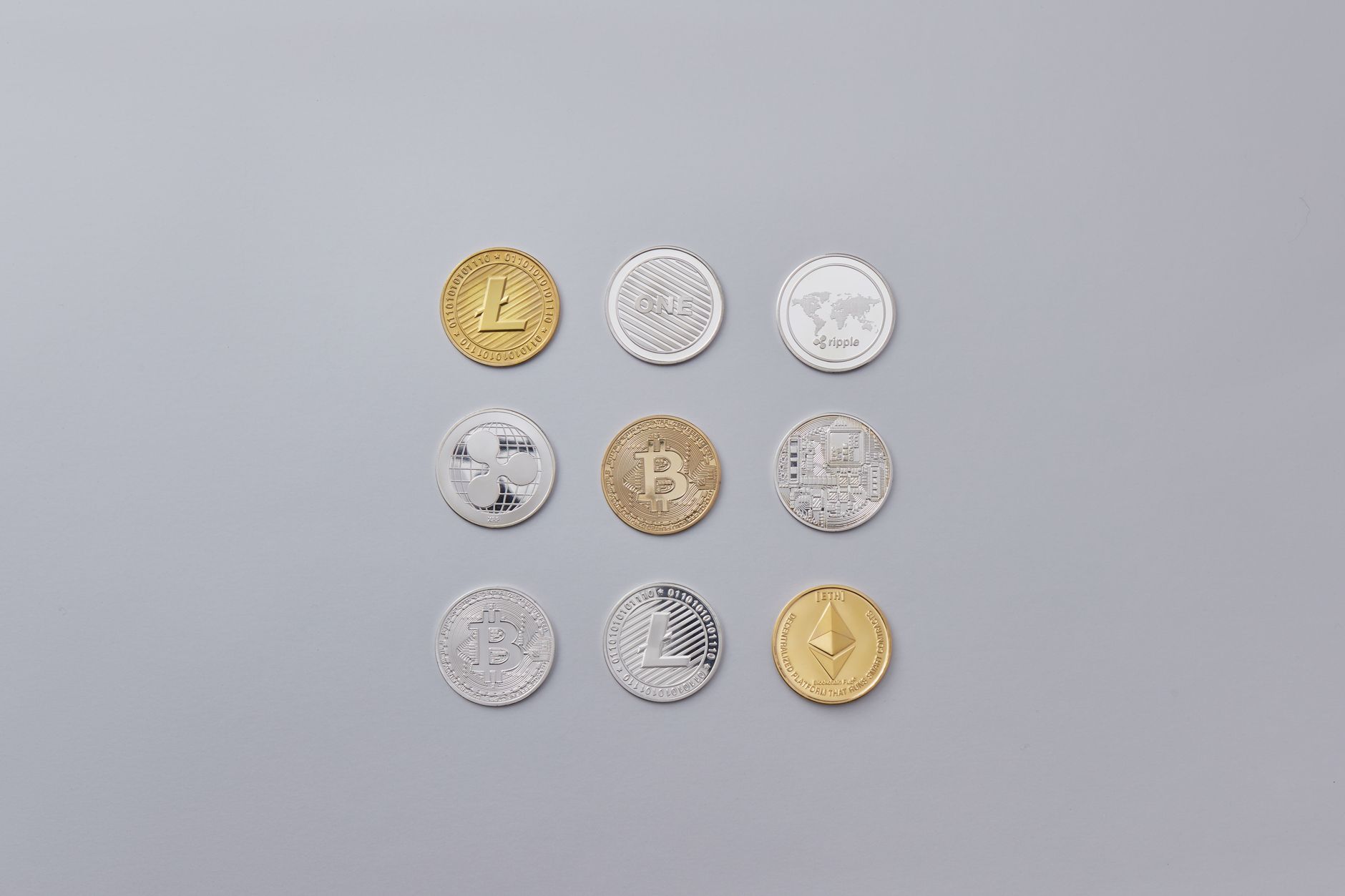
As the 2026 FIFA World Cup unfolds, the real MVP might not be a player on the pitch but a digital token whipping up storms in the crypto markets. Chiliz (CHZ), the engine behind the fan engagement platform Socios.com, has seen its value surge by 28% during the tournament, reflecting not just fan enthusiasm but a tangible uptick in on-chain trading activity as national team tokens become hot commodities with each matchday. According to Crypto Briefing, these tokens are transforming each game into a trading frenzy, linking the worlds of sports and finance like never before.
But let's not get lost in the dazzle of rising token prices without considering the broader infrastructure that FIFA is laying down. Beyond the speculative surge of fan tokens lies a deeper engagement with blockchain technology, evidenced by FIFA's development of a custom blockchain on the Avalanche network. This technological venture isn't just for show. FIFA's blockchain aspirations include sophisticated digital collectibles and an innovative approach to ticketing that aims to curb scalping by ensuring all resales are tracked and regulated.
The implications here stretch far beyond mere collectibles or smarter ticketing solutions. By tying blockchain technology directly into its operational strategy, FIFA is setting a precedent for other global sporting events. This isn't just about preventing a few ticket touts; it's about creating a more secure, transparent, and engaging fan experience. The integration of blockchain technology could revolutionize how we think about sporting event management and fan engagement on a global scale.
Moreover, the involvement of major cryptocurrency exchanges like Kraken, which has partnered with the FIFA World Cup as an official cryptocurrency exchange partner, further validates the crypto industry's role in mainstream global events. This partnership isn't merely symbolic; it represents a significant nod to the reliability and maturity of cryptocurrency platforms capable of supporting the vast logistical and financial complexities of world-class events.
For crypto investors and fintech enthusiasts, these developments should be watched closely. The interactions between Chiliz, FIFA, and broader crypto markets suggest a maturing relationship between sports and digital assets, one that could spell numerous opportunities, not just for token speculation but also for the broader application of blockchain technology. Each matchday, with its associated spikes in token trading volumes, underscores the potential for blockchain to add a new dimension to sports fandom.
This fusion of tech and sport isn't just a passing fad fueled by World Cup fever. It's a glimpse into a future where your digital wallet may be just as crucial to enjoying the game as the ticket in your hand. With several weeks still to go in the tournament, one thing is clear: in the world of sports, blockchain might just be the next big player. For businesses looking to understand the intersection of crypto payments and global sporting events, exploring services like those offered by Radom's crypto payment solutions could provide valuable insights.

