
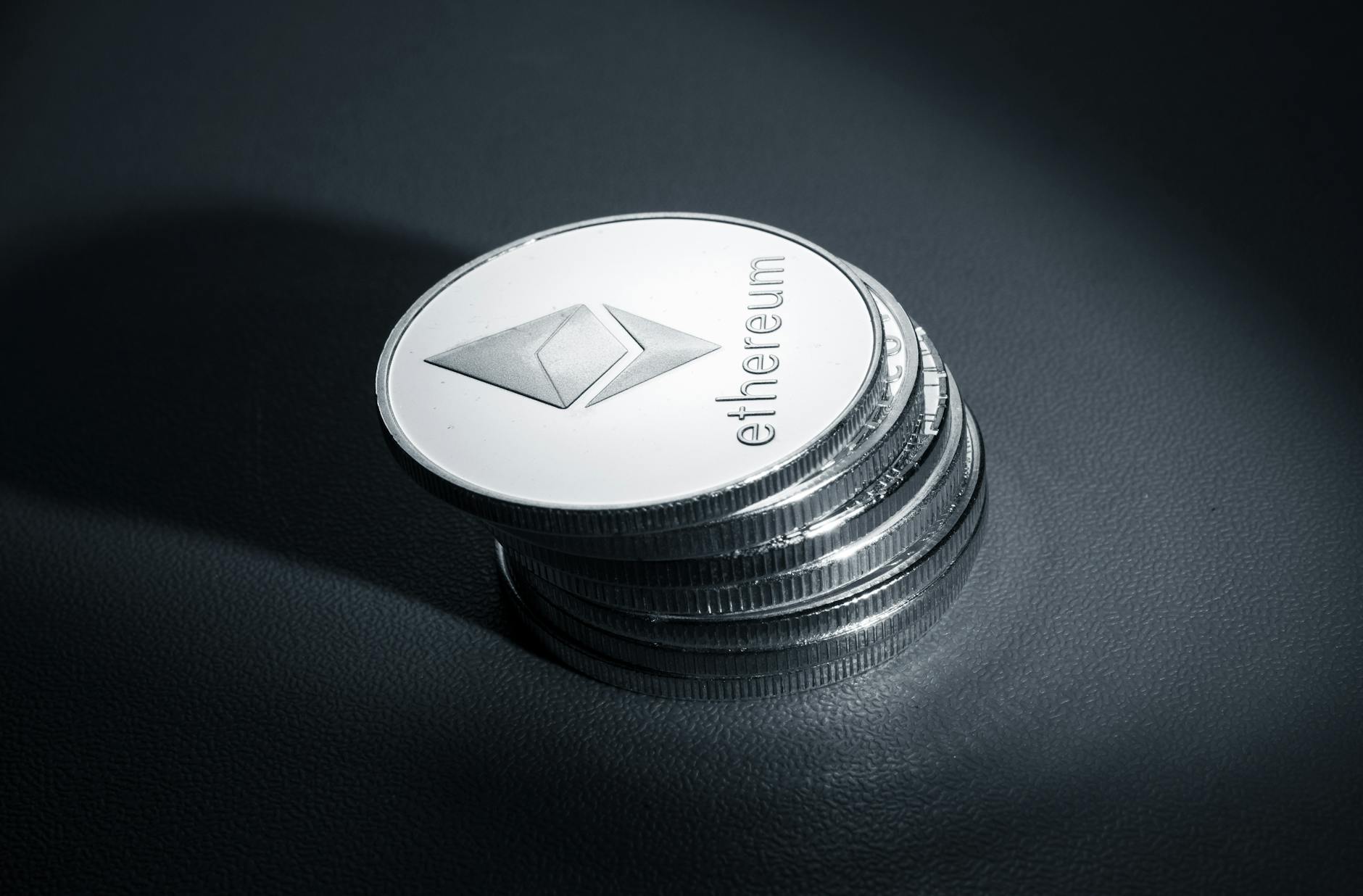
Coinbase is broadening the scope of its crypto-backed lending services by incorporating additional cryptocurrencies such as XRP and Dogecoin, which join a growing list that already includes heavyweights like Bitcoin and Ethereum. This expansion not only diversifies the options available to borrowers but also signals a strategic embrace of lesser-known but popular digital assets.
The decision to include these altcoins may be particularly impactful for XRP and Dogecoin holders. Unlike Ethereum and Cardano, these cryptocurrencies do not support native staking mechanisms that allow holders to earn passive rewards through transaction validation. This limitation makes lending services an attractive alternative for generating potential returns on these holdings without the need to sell. For an in-depth analysis, see this coverage by Decrypt.
Coinbase's offering enables users to post their crypto holdings as collateral to borrow up to $100,000 in USDC, a stablecoin pegged to the US dollar, thus providing liquidity without the immediate tax implications that selling crypto might incur. However, as with any investment, this strategy comes with risks. The volatile nature of cryptocurrency markets means that the collateral value can fluctuate wildly, possibly leading to liquidation events where users might lose their staked assets if the loan's health threshold is breached.
Moreover, these loans are initiated on Morpho, a decentralized finance protocol, adding another layer of complexity. Assets used as collateral must be wrapped - a process that turns them into a version compatible with other blockchain networks, such as Ethereum. This process itself can be a taxable event under current U.S. regulations, complicating the potential tax benefits of crypto-backed loans.
Operational strategies such as additional buffers to mitigate liquidation risks demonstrate Coinbase's awareness and proactive steps to safeguard its users' interests. However, the nature of decentralized finance and the intricate dance of loan health management call for a well-informed user base that understands both the opportunities and perils presented by such financial products.
The extension into altcoins like XRP, Dogecoin, Litecoin, and Cardano by Coinbase underscores a pivotal growth in the crypto lending market. It reflects a significant pivot towards leveraging popular digital assets beyond the typical heavyweights. For platforms looking to integrate similar crypto-financial services, understanding and mitigating the associated risks is paramount. For insights into integrating complex financial operations in crypto, exploring Radom's on- and off-ramping solutions might provide some foundational knowledge.
As the landscape of cryptocurrency investment continues to evolve, services like these highlight the innovative approaches companies are taking to provide value to their users, while also illustrating the sophisticated interplay of technology, finance, and regulatory compliance inherent in modern fintech ventures.

