
Coinbase's fourth-quarter financial autopsy paints a bleak picture-a hefty $667 million net loss as disclosed in a recent Decrypt report. This staggering figure comes as a stark reversal from the previous year's $1.3 billion profit and underscores the volatility that still grips the crypto market.
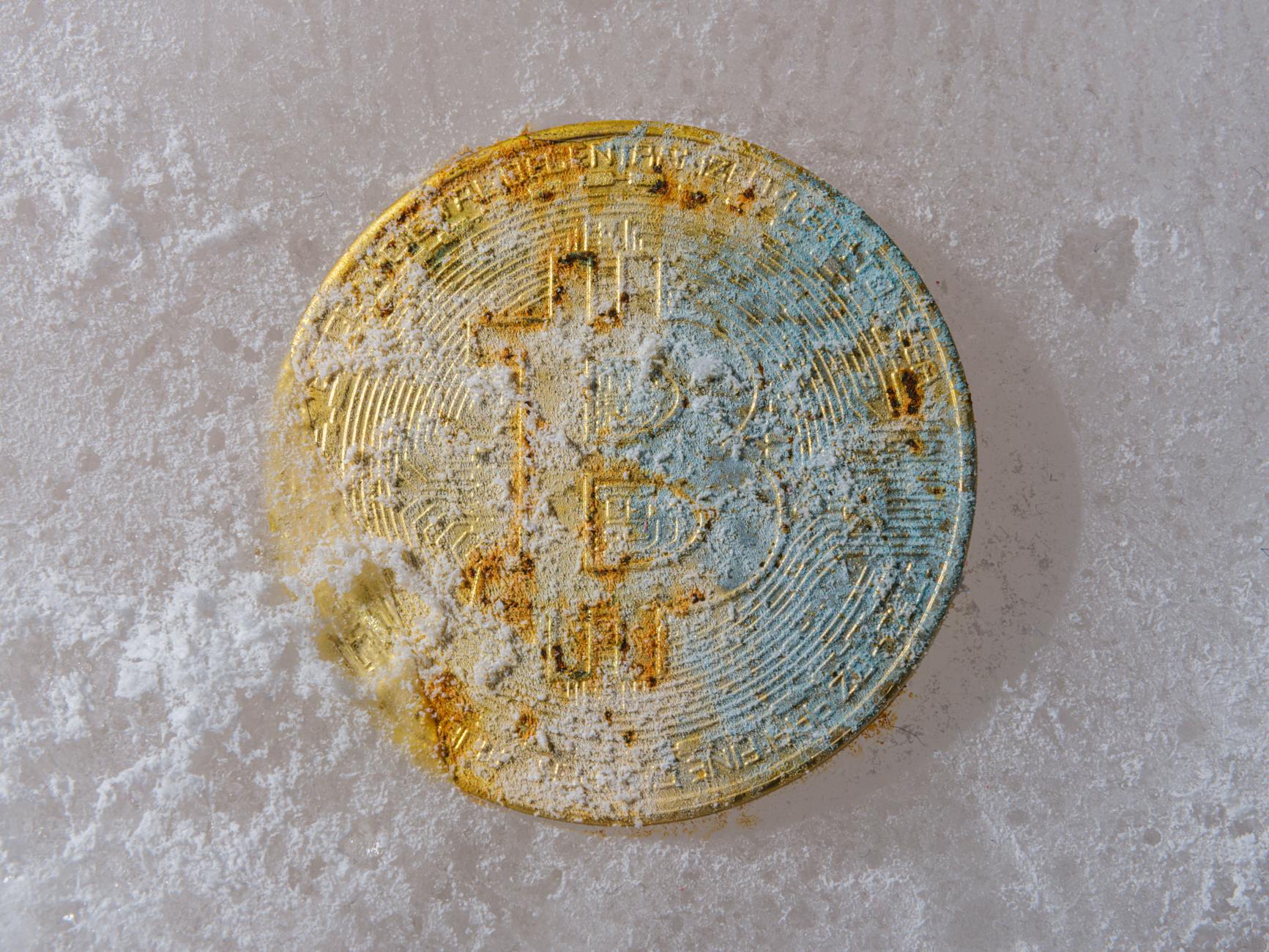
The root cause isn't hard to pinpoint: a precipitous drop in Bitcoin's value and a corresponding $718 million decline in the value of Coinbase's investment portfolio. It's a classic case of crypto winter biting hard. Yet the tale of the tape reveals deeper narratives about Coinbase's struggle to pivot from mere cryptocurrency transaction fees to more reliable revenue streams.
Notably, despite a turbulent market, Coinbase managed to pull in $364 million from its stablecoin operations, a significant jump from the previous year. This revenue, generated through a partnership with Circle, points to the increasing importance of stablecoins as both a volatility buffer and a revenue source for crypto exchanges. However, when juxtaposed against the backdrop of reduced transaction earnings from $1.56 billion to $983 million, the narrative isn't just about diversification but also about survival in a capricious market.
The financial bleed has set Coinbase’s stock on a downward spiral, tanking more than 55% over six months. Even as the company asserts its robust capitalization, the numbers hardly inspire confidence. Investors are understandably jittery, and a recent Radom Insights analysis suggests regulatory tightening and market maturation could further squeeze platforms reliant on high crypto trading volumes.
Coinbase’s strategy includes a heavy investment in derivatives and an Ethereum layer-2 scaling network named Base. Derivatives are a smart hedge in times of market downturns, offering traders more tools to navigate the volatility. Yet, the move towards Base highlights a pivot towards blockchain's utility beyond mere asset speculation-potentially a shrewd long-term play if the crypto market continues to mature beyond its speculative roots.
Bottom line? Coinbase's current financial health is less than ideal, reflecting broader market conditions that continue to challenge even the largest players in the space. While their strategic shifts might cushion against immediate shocks, the fundamental issue remains: dependency on an inherently volatile market for the majority of their revenue. It’s a hard pill to swallow, but perhaps a necessary one as the company-and the industry at large-navigates through crypto's latest winter.
As the crypto market evolves, Coinbase’s maneuvering provides a vital case study for other exchanges grappling with similar challenges. Their ability to emerge leaner and more focused will likely signal the pathway for others in the sector. In the meantime, prepare for more turbulence. The only certainty in crypto is uncertainty itself.

