
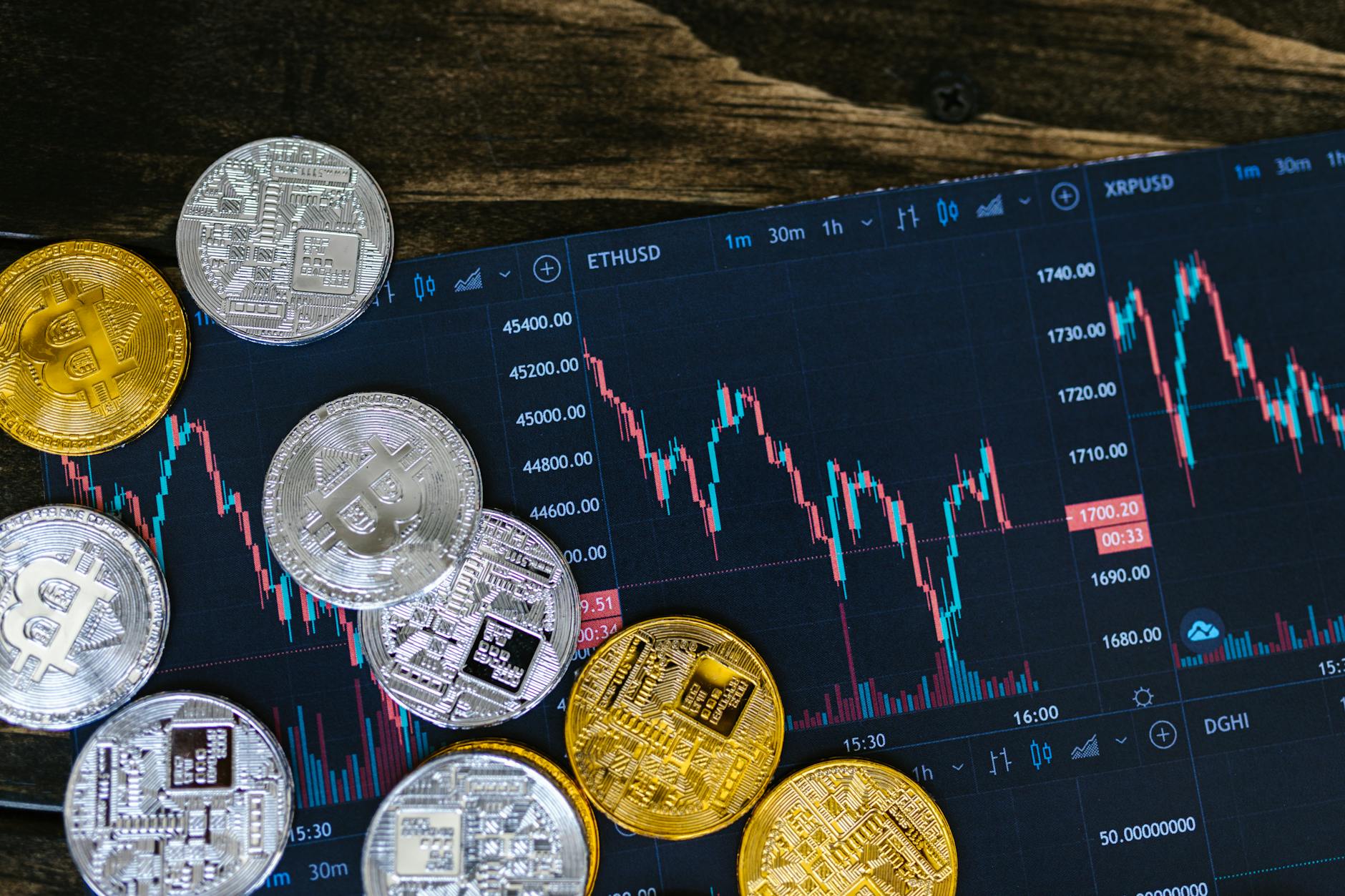
In a strategic shift driven by market dynamics, investors are increasingly venturing beyond the proverbial giants of the cryptocurrency world, Bitcoin and Ethereum, exploring a broader array of lesser-known digital currencies. As revealed by Johann Kerbrat, Robinhood's head of crypto, during a recent interview with Cointelegraph, this trend reflects a deeper comfort and maturation within the crypto investment community concerning the volatility and potential of this asset class.
The core of this diversification trend appears rooted in the ongoing downturn of primary market players, where seasoned and new investors alike are seeing potential value in the broader, more diverse portfolio positions. Notably, while Bitcoin and Ethereum continue to dominate the crypto market in terms of volume and investor interest, the introduction and growth of altcoins are capturing attention, influenced, perhaps, by their potential for high returns and lower entry barriers.
Historically, the crypto market has been somewhat predictable with attention heavily skewed towards Bitcoin and, to a lesser extent, Ethereum. Yet, as Anthony Bassili, president of Coinbase Asset Management, noted, even seasoned players are presently unsure of the 'next big thing' after these two. The emerging narrative isn't about replacing Bitcoin or Ethereum but rather about complementing investments with alternative assets that might offer different benefits, like faster transaction speeds or lower transaction fees, found in currencies such as Solana.
This divergence towards a wider array of investments can be partly attributed to the evolving crypto infrastructure that has made these altcoins more accessible and safer to trade. Institutional platforms like MidChains are seeing sizable transactions from asset managers that, while still cautious ('baby steps' as per CEO Basil Al Askari), are incrementally embracing a broader spectrum of the top 20 cryptocurrencies by market cap.
The functionality and usability of cryptocurrencies are also affecting investor decisions. As noted by Kerbrat, staking features and the utilization of crypto in decentralized finance (DeFi) settings are on the rise-a trend that aligns with the growing demand for 'utility' in investments beyond mere speculation. Such utility fosters broader adoption as it integrates crypto more tightly with everyday financial activities, potentially stabilizing its market behavior over time.
Despite these expansions and explorations, the market is not without its challenges. The continued outflows from Bitcoin ETFs and the prevailing sentiment of 'Extreme Fear' in the Crypto Fear & Greed Index underline the persistent unpredictability and inherent risks of the crypto market. Yet, it's this very volatility and the cycles of highs and lows that often present the 'buy the dip' opportunities that many investors now seem eager to exploit, particularly within lesser-known altcoins.
For businesses and platforms in the crypto space, such as those utilizing services like Radom's on- and off-ramping solutions, this broadening of investment interest could signal a shift towards more diverse and dynamic financial engagement from users. It's a development that might encourage further innovations in how crypto is used, traded, and managed, pulling it closer to the financial mainstream.
Even as investors branch out, it's vital for them and the platforms serving them to remember that diversification, while potentially mitigating risks, doesn't eliminate them. The crypto market, with its rapid pace and often drastic fluctuations, continues to be a testing ground for investment theses and risk tolerance. Thus, it remains critical for investors to stay informed, remain cautious, and think strategically as they navigate these digital waters.

