
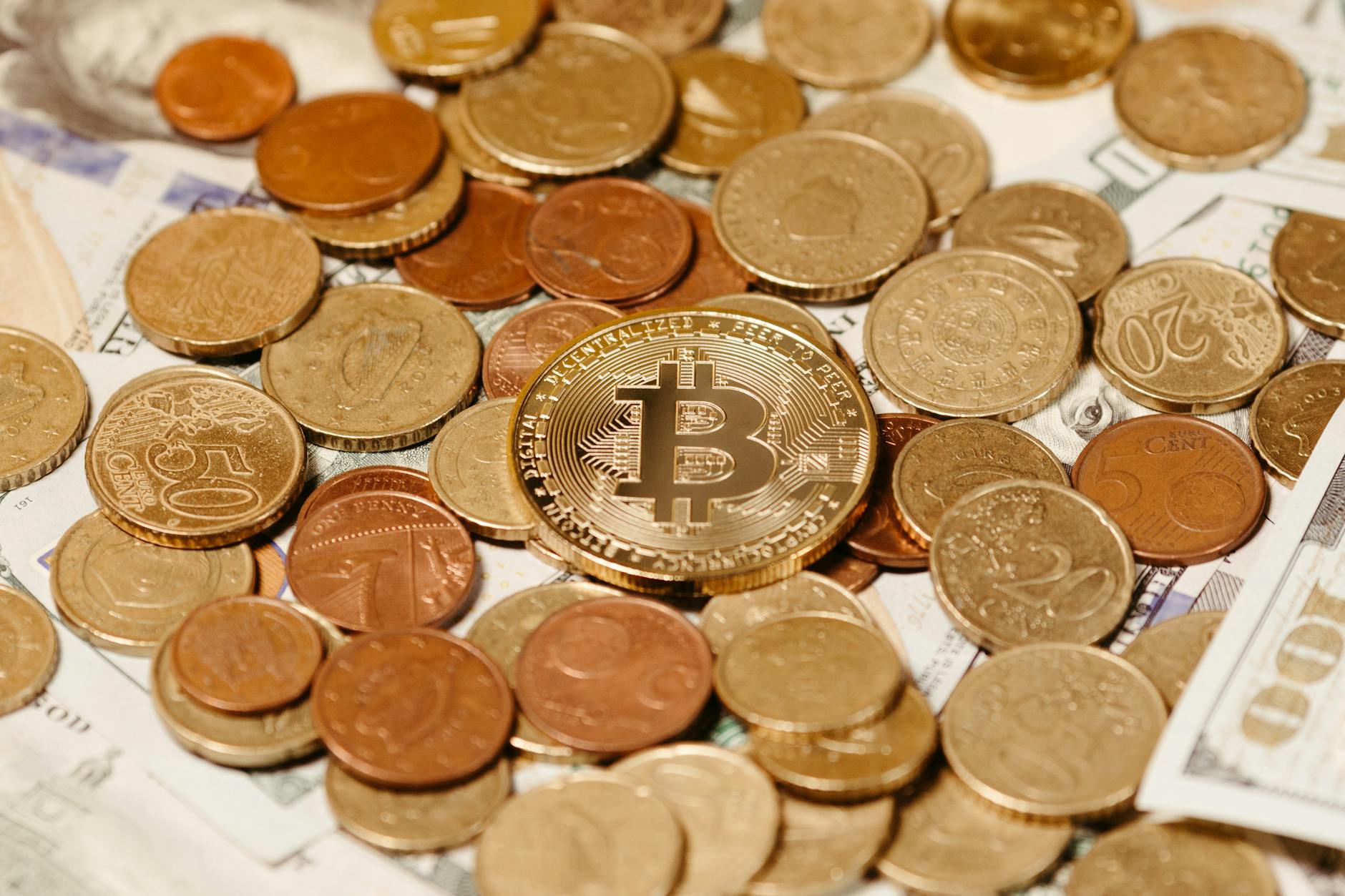
In a recent blog post, Nobel laureate economist Paul Krugman linked the recent decline in Bitcoin's value to President Donald Trump's waning influence, suggesting a direct correlation between Trump's political fortunes and the cryptocurrency's market performance. This notion, while intriguing, invites deeper scrutiny into how political figures can sway digital asset markets.
Krugman's commentary hinges on what he terms the "Trump Trade" - a phenomenon where financial markets react strongly to the political actions and popularity of President Trump. Given Trump's pro-crypto stance, his fluctuating approval ratings and political clout appear, at least on the surface, to mirror Bitcoin's price volatility. Krugman asserts that as Trump's ability to influence policy diminishes, so does the value of Bitcoin, which he claims has become somewhat of a barometer for Trumpism within financial circles.
However, attributing the movements of a global cryptocurrency market to a single political figure, albeit a powerful one, oversimplifies the myriad factors influencing Bitcoin's valuation. While it's true that regulatory environments and political endorsements can affect investor sentiment and market dynamics, Bitcoin, as a decentralized entity, is influenced by a broader set of variables including technological advancements, market speculation, macroeconomic indicators, and geopolitical events.
For instance, while Trump's pro-crypto policies might buoy the market, recent regulatory crackdowns in other countries, shifts in tech adoption, and macroeconomic turbulence, such as inflation rates, also play significant roles. Moreover, the intrinsic volatility of digital currencies, which can see huge price swings triggered by everything from tech glitches to social media, suggests a complex interplay of factors that transcend presidential politics.
Moreover, Krugman's critique extends to Bitcoin's utility, comparing it to volatile tech stocks and questioning its function beyond being an investment vehicle. This is a valid perspective that reflects a broader skepticism about the practical use of Bitcoin as a currency rather than purely a speculative asset. Nonetheless, it's worth noting that adoption rates among businesses and consumer applications continue to grow, albeit unevenly, pointing to an evolving role for Bitcoin and similar cryptocurrencies in the digital economy.
The discussion also brings to light the need for a nuanced understanding of how cryptocurrencies fit into broader financial systems. Trump's influence on crypto is undoubtedly significant given his position and policies, but it is just one of many threads in the complex tapestry of global finance. This multifaceted interplay is why financial analysts and investors must keep a keen eye on a range of indicators, not just the Twitter feeds of influential politicians.
For those involved in the cryptocurrency and fintech sectors, such as the solutions provided by Radom's iGaming sector, understanding the interdependence between political developments and market dynamics is crucial. These insights help in navigating the regulatory and market challenges that could impact their operations and strategic planning.
In conclusion, while Krugman's linkage between Trump's political capital and Bitcoin's fiscal health is compelling, it oversimplifies the complex ecosystem governing cryptocurrencies. The "Trump Trade", as Krugman calls it, is but one aspect of the kaleidoscopic crypto market. For seasoned investors and market analysts, the broader lesson is to maintain a holistic view of the forces shaping crypto markets, one that balances political influence with other economic, technological, and social drivers.

