
Ether's Value Declines Under $2,000 as Futures Open Interest Surges to a New High of 16 Million ETH
As Ether's futures open interest hits a new record of over 16 million ETH, valued at approximately $32.5 billion, this contrasting trend with its declining spot price signals a deepening complexity in investor strategies amid rising market uncertainties. This shift is further underscored by significant outflows from Ether ETFs, totaling $401 million this month, highlighting wavering confidence and growing skepticism towards Ethereum's long-term value proposition in the face of competitive traditional financial instruments.
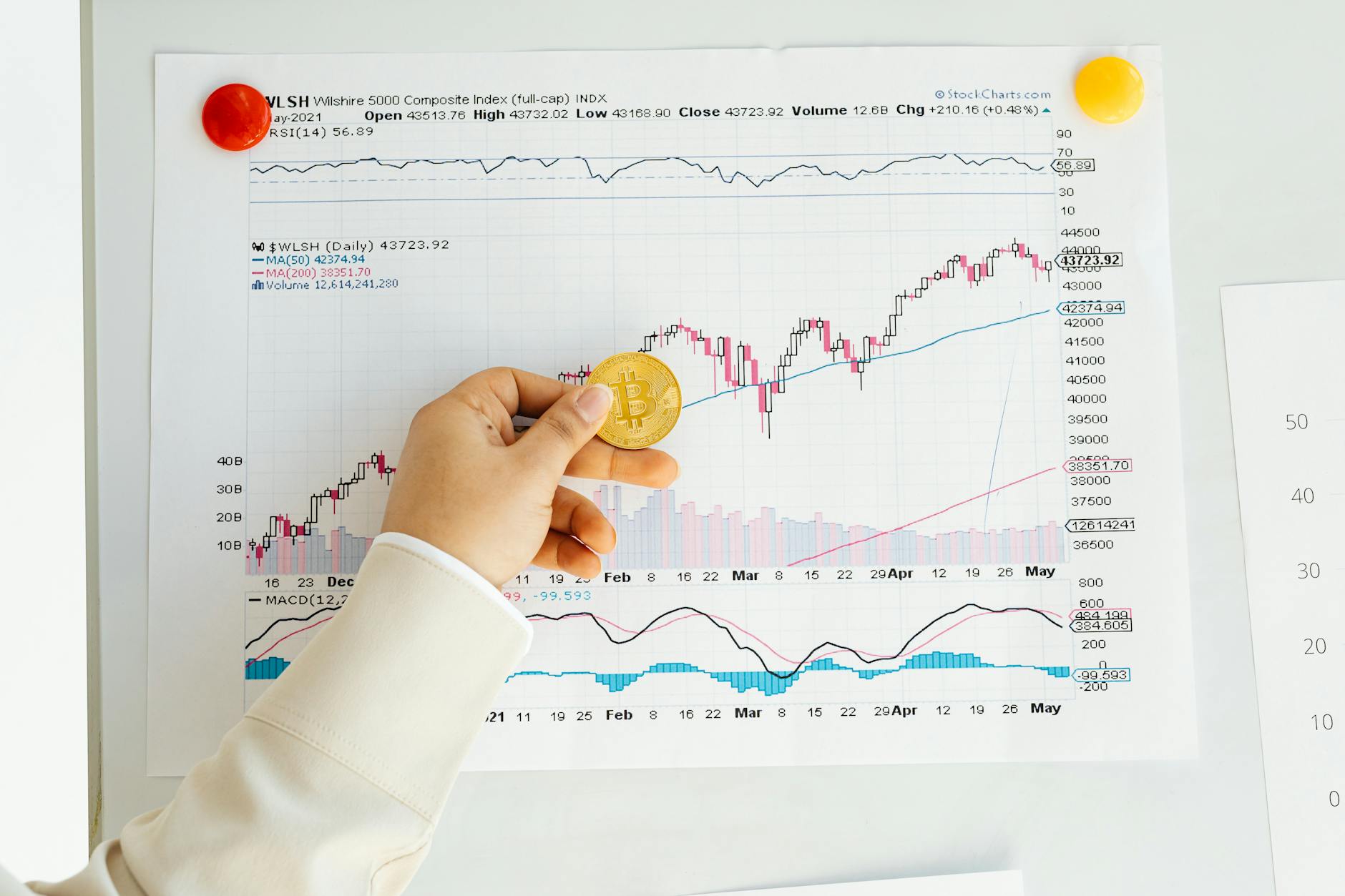
Ether's precipitous drop under $2,000 juxtaposed with its futures market hitting record highs isn't just a market anomaly-it's a glaring billboard for underlying economic shifts and investor sentiment. As Ether's spot price tumbles, it's peculiar to see the futures open interest-the total number of outstanding contract positions-soar to over 16 million ETH, amounting to roughly $32.5 billion. This divergence captures a broader narrative in cryptocurrency investment trends and the shaky ground on which many bullish theses are built.
Examining CoinDesk's recent coverage, it's clear that the surge in Ether's futures open interest-a leap for three consecutive days to new heights-illustrates more than just an anomaly. It highlights a turn towards derivatives as investors seek to hedge or speculate amid growing uncertainty. The notional value of these positions suggests significant market leverage, potentially amplifying risks should the downward price trend continue.
However, it's not just market mechanics at play here. The sentiment towards Ether is waning. High-profile departures from the Ethereum Foundation signal a potential shift in strategic direction or dissatisfaction with the project's trajectory. Markus Thielen's insights reveal an underlying discomfort with Ether's inability to yield substantive returns in an environment where traditional financial instruments are becoming more attractive. This is exacerbated by a staking yield overshadowed by rising bond yields.
Moreover, the outflows from Ether ETFs in the U.S. paint a stark picture-$401 million exiting this month, as noted by SoSoValue data. Such outflows, particularly after a month of inflows, illustrate the brittle confidence among holders. In stark relief, we see the traditional financial ebb and flow impacting crypto-asset confidence, which could be seen as a litmus test for the broader acceptance of digital assets in mainstream portfolios.
The growing skepticism around how Ethereum's dominance in sectors like DeFi and tokenization benefits its native token ETH is another angle biting into investor confidence. As the House of Chimera points out, while Ethereum's infrastructure remains unparalleled, the translation of this technical superiority to tangible value for ETH is increasingly being questioned. This sentiment is also reflected among long-time proponents of ETH, including David Hoffman from Bankless, who has publicly exited his ETH positions after reassessing the 'ETH is money' narrative.
What does all this mean for individual investors and the market at large? Firstly, the heightened futures activity could imply that more investors are using futures for hedging against further price falls, or speculatively betting on recovery, thus not necessarily indicating a bullish outlook. Secondly, the role of macroeconomic factors-like bond yields and traditional financial instruments-should not be underestimated in their influence on crypto valuations.
In terms of practical advice, those looking to navigate these turbulent waters might consider the strategic application of crypto on- and off-ramping solutions to manage exposure and risk. It’s also vital to recognize the dual-edged sword of leverage in futures markets, which can exacerbate financial losses just as quickly as they can magnify gains.
Ultimately, the current environment for Ether and similar cryptocurrencies is a complex tapestry woven with threads of market sentiment, fundamental economic shifts, and the evolving narrative around cryptocurrency’s intrinsic value. Investors would be wise to keep a close eye on these trends and adjust strategies accordingly, ensuring alignment between their risk profiles and the tumultuous market dynamics.
To conclude, while the current market conditions might seem disheartening, they also offer a plethora of lessons on the importance of strategy, risk management, and the need to stay informed using reliable sources like CoinDesk for those invested in the future of Ethereum and its underlying technology.
Exploring how this affects your payment flow?

