
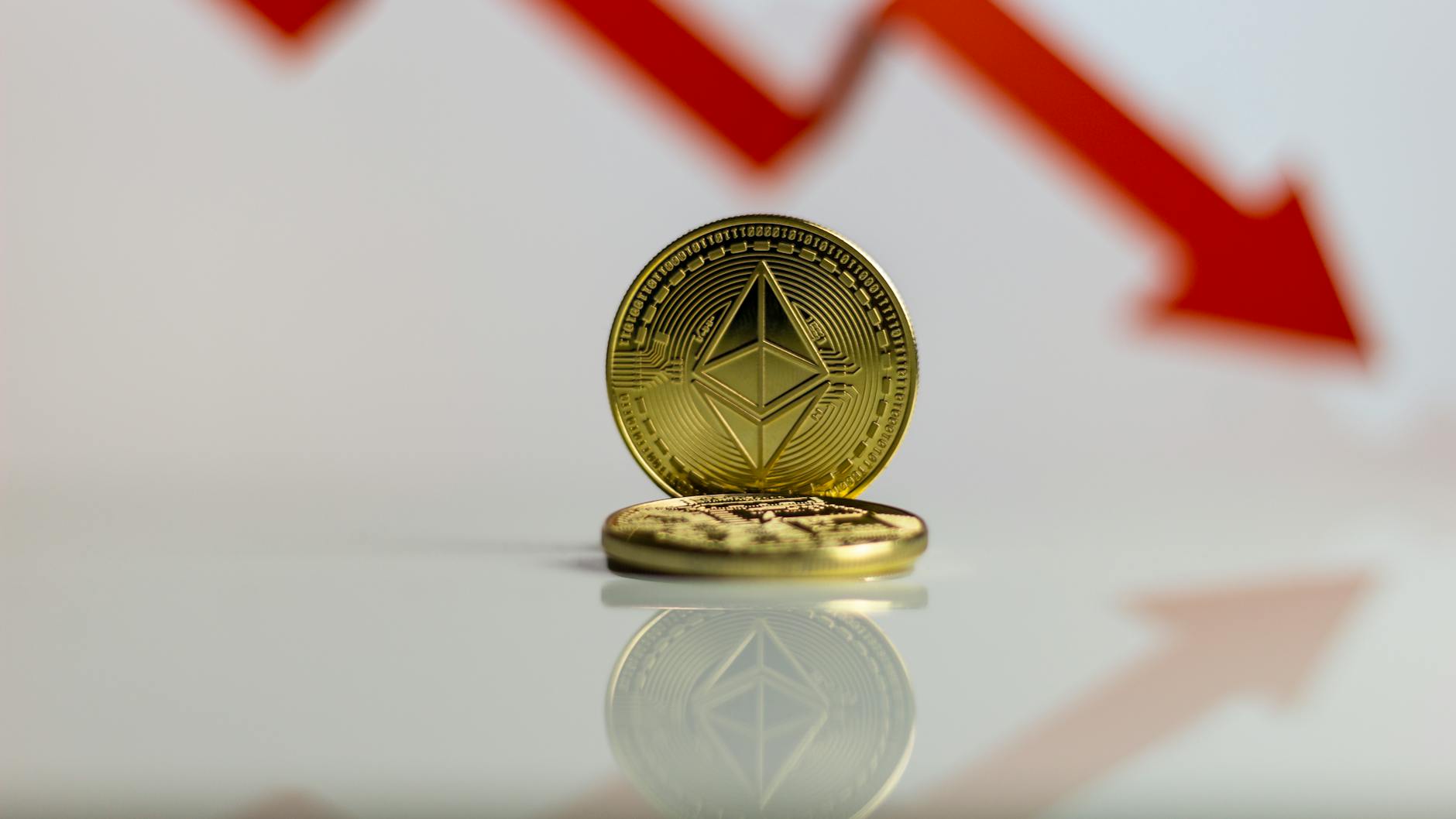
The recent near-exit of Trend Research from its Ethereum (ETH) holdings marks a significant turn in the volatile dance of high-stakes cryptocurrency investments. This decision followed a sharp decrease in ETH's value, leading to a staggering $747 million in reported losses. Initially, Trend Research had accumulated over 650,000 ETH through leveraged borrowing-a strategy that amplifies both gains and risks.
According to Crypto Briefing, the fall in ETH prices from an average purchase price of $3,267 to recent lows below $1,900 illustrates a brutal market correction. This drastic drop not only eroded the value of Trend Research's holdings but also highlights the perilous nature of leveraging in volatile markets. The firm's decision to scale back its position by returning a substantial amount of ETH to Binance suggests a strategic retreat to minimize further losses and possibly recalibrate its investment approach.
This situation serves as a real-world reminder of the risks associated with leveraged cryptocurrency positions. When markets are favorable, leveraging can significantly enhance profits. However, as seen in this case, a downturn can just as quickly amplify losses, pushing investors to liquidate positions to cover margins or reduce exposure.
Furthermore, the implications of such large-scale transactions are not limited to the investors themselves. They can also have a broader impact on the cryptocurrency market. Large withdrawals and the selling of assets can contribute to increased volatility and price declines, as the market absorbs the shifts in supply and demand. This is particularly evident in markets like that of Ethereum, where large holders-often referred to as 'whales'-can influence market dynamics significantly.
Adjusting to such market conditions requires not only robust risk management strategies but also a keen understanding of market sentiment and technological shifts. For instance, entities like Trend Research might benefit from on- and off-ramping solutions that Radom provides, which could facilitate smoother transitions between crypto and fiat during volatile periods, potentially mitigating some risks associated with market fluctuations.
In addition, the broader fintech ecosystem can glean lessons on the importance of regulatory awareness and technological readiness. With the increasing scrutiny from regulators worldwide, understanding the complexities of compliance, especially in leveraged trading, becomes crucial. Leveraged trading in crypto, whilst offering significant profit opportunities, also invites regulatory considerations that can affect the strategies of investment firms significantly.
There are also technological implications to consider. The use of decentralized finance (DeFi) platforms like Aave for borrowing could introduce additional layers of risk, including smart contract vulnerabilities and platform stability. These factors must be meticulously evaluated when devising investment strategies in the digital asset space.
As the crypto market continues to evolve, the experiences of firms like Trend Research serve as a cautionary tale for other investors. The crypto market, with its rapid price changes and potential for significant impact from individual players, demands a balanced approach that considers both potential returns and the risks of leveraged exposure. It underscores the need for continuous learning and adaptation in the face of market and technological developments-a theme we've explored in depth in our look at recent market movements and their underlying factors.
Ultimately, the unfolding drama of Trend Research's ETH holdings is more than just a tale of financial loss. It is a reminder of the perpetual balancing act between risk and reward in the high-stakes world of cryptocurrency investing, where the scales can tip dramatically with each market wave.

