
EU deliberates on pausing price limits for Russian oil in response to conflict in Iran
As the EU considers pausing the Russian oil price cap amidst soaring Brent crude prices, investors and policymakers alike are poised at a critical junction of economic strategy and geopolitical maneuvering. This potential shift reflects a broader reevaluation of sanctions efficacy and market stability, particularly in light of recent Middle Eastern conflicts and innovative sanction evasion through cryptocurrencies.
The European Union is contemplating a strategic pivot: a temporary pause on the Russian oil price cap that currently hovers at $44.10 per barrel. Why the change of heart? Well, the escalating conflict in Iran has pushed Brent crude over the $100 mark, forcing the EU to reconsider its economic levers in the global energy landscape.
Here’s the backstory: In February 2026, the EU, with the UK in tandem, recalibrated the Russian crude oil price cap to $44.10 per barrel. This figure, pegged at 85% of the average price from the last quarter, wasn’t pulled from a hat. It was a calculated measure to keep Russian oil in the market but deprive the Kremlin of excessive profits. Yet, with Brent crude tipping past $100 amid heightened Middle East tensions, this cap now seems like a tightrope walk for European policymakers, balancing between economic pragmatism and geopolitical solidarity.
The irony is palpable when German Chancellor Friedrich Merz voices his concerns. Merz has criticized the U.S. for its temporary sanctions waivers on certain Russian oils-a move designed to dodge potential supply shocks that could send prices even higher. Yet, this same U.S. strategy reflects a pragmatic approach to forestall worse economic upheavals, a playbook the EU seems to be borrowing from amid its own conundrum.
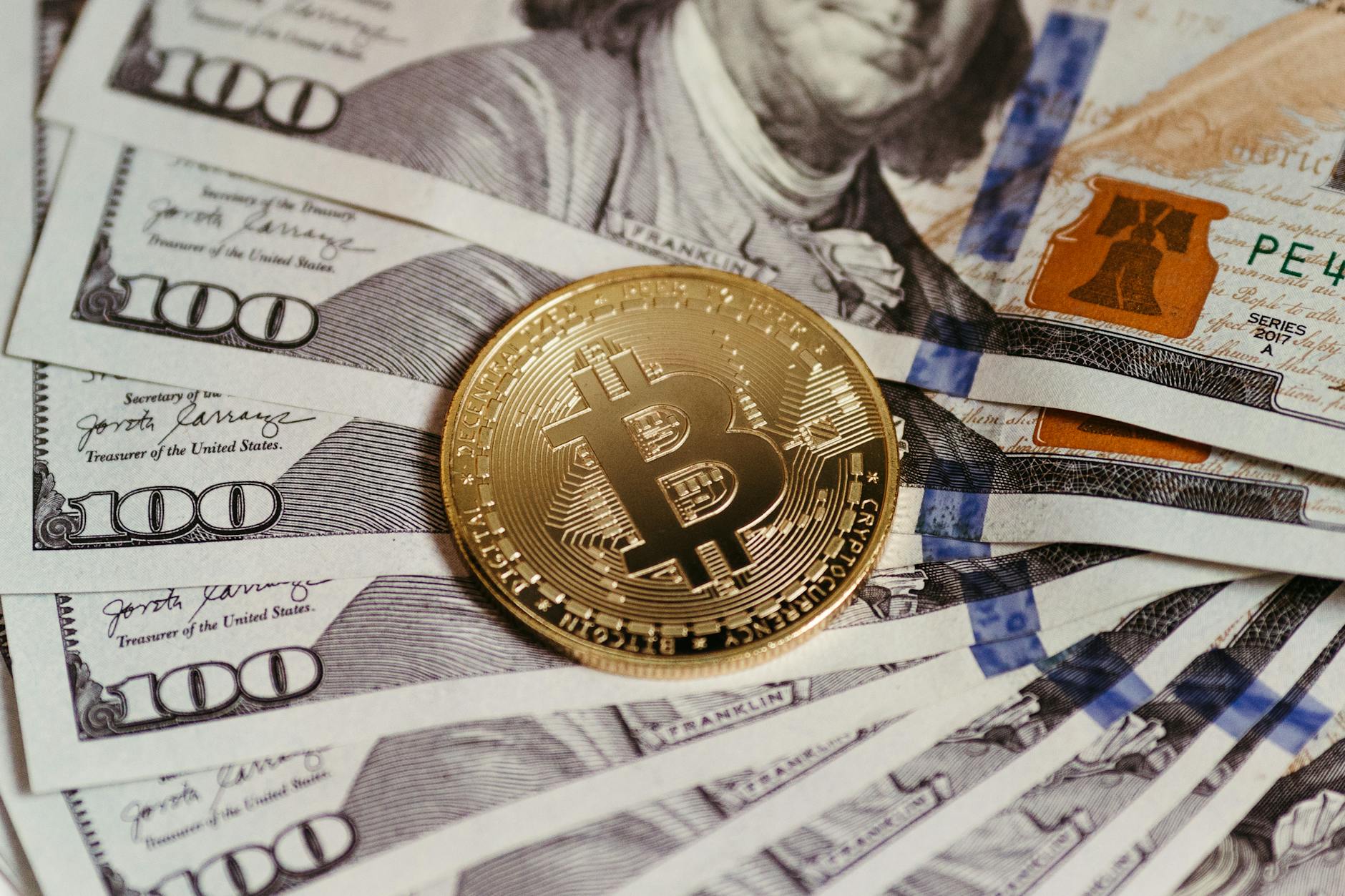
Meanwhile, Russian firms appear to be dodging the financial barricades by transacting in Bitcoin, ether, and notably USDT, to conduct oil deals primarily with China and India. This crypto-route illustrates not just a workaround but a stark revelation: while Tether (USDT's issuer) has been compliant with law enforcement in the past, the pre-emptive reach of sanctions is quite a different game. Transactions can be layered and obfuscated, making the sanctions' bite less formidable than its bark.
What does this all mean for investors and market watchers? As noted in Crypto Briefing, if the EU opts to freeze the cap at $44.10, it cements a scenario where Russian oil continues to trade at a steep discount relative to global benchmarks. This pricing dynamic has historically played well for nations like China and India, who have fewer qualms about snapping up Russian crude at bargain basement prices, geopolitics aside.
The recent near 20% drop in Brent crude, following reports of a ceasefire in the Middle East, is a stark reminder. The energy markets are fickle, susceptible to rapid shifts triggered by geopolitical developments. For the EU, this pause on the oil price cap might not just be a temporary measure. It could very well be an acknowledgment of a new normal in global energy politics, where economic interests are increasingly difficult to align with political ideals.
Investors should watch this space closely. The intersection of energy policy, economic sanctions, and cryptocurrency presents a complex puzzle. The pieces are moving and the EU's next move could reshape market dynamics significantly.
Exploring how this affects your payment flow?