
Exploring the Intersection of Finance and Technology: Recent Developments in Prediction Markets Highlight Regulatory Challenges and New Opportunities in Cryptocurrency Trading
As the finance sector intersects with rapid technological advancements, the recent insider trading charges at Google highlight the urgent need for robust regulatory frameworks to ensure market fairness and transparency in prediction markets. The challenge lies in balancing the embrace of innovation with the necessity to safeguard market integrity, a concern that extends to broader cryptocurrency trading practices as well.
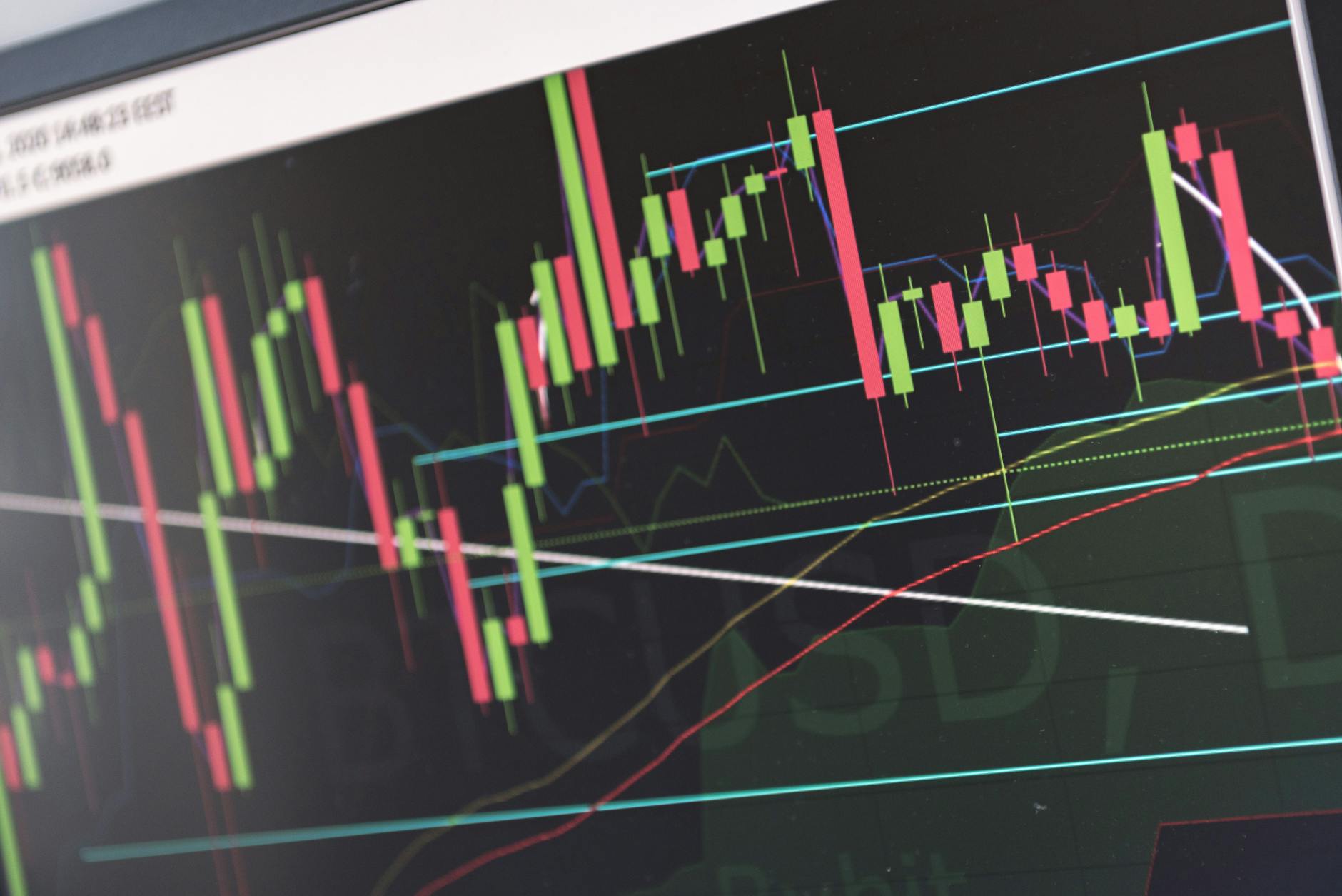
Finance and technology's convergence has recently thrown prediction markets into the limelight, challenging regulatory frameworks and unveiling new opportunities in cryptocurrency trading. This contentious area, especially highlighted by the recent charges related to Google's insider trading, underscores the complex relationship between technological advancement and regulatory necessities.
Prediction markets, by design, allow users to trade on the outcome of events, from elections to economic indicators. These platforms, while innovative, operate in a murky legal zone. The recent charges of insider trading at Google, as reported by iGaming Business, manifest a broader issue: the insider information can significantly skew market fairness and transparency. The case not only raises questions about the ethical dimensions of such markets but also about how they can be regulated without stifling innovation.
Regulators are currently playing catch-up with these rapidly evolving markets. The Commodity Futures Trading Commission (CFTC)'s approval of unique crypto-based trades marks a significant, albeit tentative, step toward embracing these innovations. However, the balance between fostering technological advancements and safeguarding market integrity remains delicate. This duality not only impacts prediction markets but also extends to broader cryptocurrency trading practices, which suffer from similar concerns about transparency and fairness.
Cryptocurrency trading, much like prediction markets, has often been criticized for its volatility and the opaque nature of some of its transactions. As these markets grow, the need for robust regulatory frameworks becomes undeniable. Not just to protect investors but to maintain the systemic health of the financial ecosystem at large. The integration of technology in finance, while beneficial in creating new market opportunities, also requires new governance models to manage these advancements effectively.
Furthermore, the potential of decentralized finance (DeFi) systems to democratize finance must be weighed against the risks of fraud and market manipulation. Innovative solutions like those offered by Radom for on-and off-ramping solutions represent steps towards mitigating risks through technology. These platforms ensure smoother transitions between crypto and fiat, increasing transparency and reducing opportunities for manipulation.
In conclusion, as the finance sector continues to intersect with rapid technological advancements, stakeholders from regulators to businesses must navigate a terrain rife with both opportunities and challenges. Striking the right balance will require not only regulatory innovation but also a commitment to ethical practices that ensure market integrity. The road ahead is complex but navigable with cautious and informed approaches.
Exploring how this affects your payment flow?