
Film Director Sentenced to 30 Months for Misappropriating $11M from Netflix to Invest in Dogecoin
Film director Carl Erik Rinsch has been sentenced to 30 months in prison for misappropriating $11 million from Netflix, which he squandered on speculative stock options and a risky investment in Dogecoin, leading to a temporary $27 million gain. This cautionary tale underscores the vital need for stringent financial controls and transparent management, especially when handling large sums in creative and tech sectors.
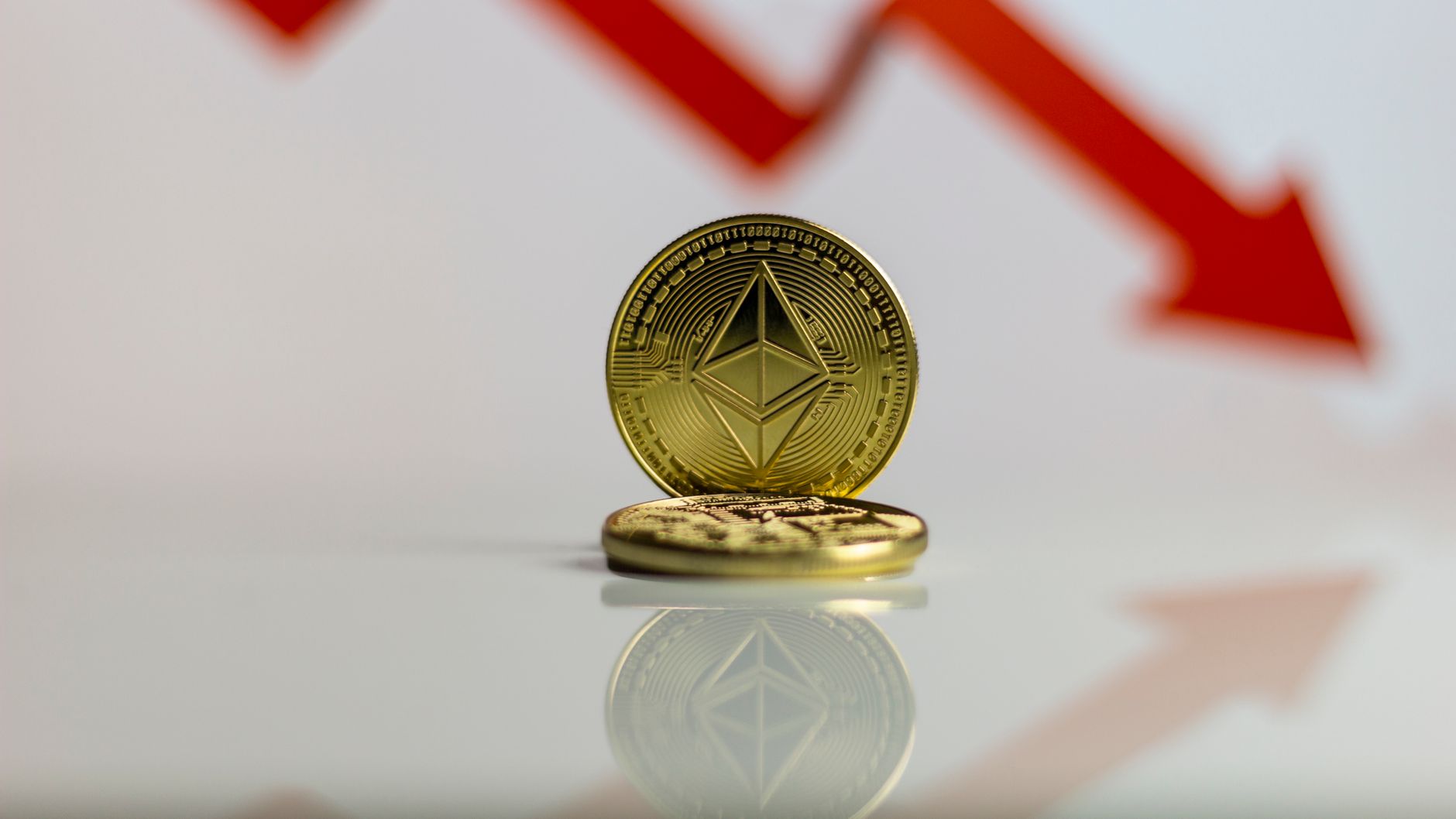
In a tale that reads like a Hollywood script with a twist of high-stakes gambling, film director Carl Erik Rinsch has been sentenced to 30 months in prison for a fraudulent escapade involving a hefty sum of $11 million from Netflix. This fund, meant to complete a sci-fi series titled "Conquest", was instead diverted into speculative stock options and a high-stakes bet on Dogecoin.
Netflix's $11 million was essentially vaporized in a spree of misplaced bets and lavish personal expenditures. According to prosecutors, Rinsch's disastrous foray into speculative stocks led to a loss of $5.9 million. Not deterred by this colossal setback, he then redirected the remnants of his funds into Dogecoin - a cryptocurrency often viewed with skepticism due to its meme-based origins. Remarkably, this bet bloomed temporarily, ballooning his pocket by nearly $27 million during the meme coin's peak in 2021, as reported by Decrypt.
Rinsch's crypto windfall funded an extravaganza of Rolls-Royces, a Ferrari, and a $388,000 Vacheron Constantin watch among other luxuries, amounting to a total spend of approximately $8.7 million. Despite these excesses, his tale took a nose dive back to reality when he was ordered to pay Netflix $11 million in restitution, after an arbitrator dismissed his audacious claim for an additional $14 million from the streaming giant.
This saga provides a glaring spotlight on the often-overlooked risks of personal misuse in corporate and creative financing. It's a cautionary tale that emphasizes not only the temptations that large pools of money may present but also underscores the vital need for robust oversight and transparency in financial dealings.
The misuse of allocated funds for personal gain is not a novel issue in corporate finance, but the involvement of a volatile asset like cryptocurrency adds a contemporary layer of complexity. Rinsch's initial loss in stocks and subsequent gamble in Dogecoin exemplify the precarious nature of betting on highly speculative assets. While crypto did momentarily reward him, it's a sector that requires astute risk management and should not be a playground for embezzled funds.
For businesses, especially those in the creative and tech industries where large project funds are common, this incident is a stark reminder of the importance of stringent financial controls. It stresses the necessity of implementing clear, trackable channels for fund usage and regular audits to deter and detect any unauthorized diversions early. Likewise, for investors and companies involved in or considering entering the crypto space, it's crucial to recognize the importance of sound investment theses backed by robust risk assessment frameworks.
Furthermore, Rinsch’s extravagant spending spree funded by crypto gains highlights another significant aspect of financial management: the psychological impact of sudden wealth. Crypto markets are known for their rapid gains, but as much as they can create millionaires overnight, the reverse is often true. The sector's volatility demands a disciplined approach to both gains and losses, a lesson Rinsch learned the hard way.
Overall, Carl Erik Rinsch’s story is a dramatic example of how not to manage corporate funds, particularly in an era where digital assets can tempt with their allure of quick riches. It's a narrative that should prompt organizations to bolster their fiduciary safeguards, ensuring funds are used as intended and that speculative investments are handled with the utmost caution and strategy.
In the world of fintech and crypto investments, the blend of innovation and regulation continues to evolve, and with it, the lessons on the prudent, ethical management of funds remain relevant. For further insights on navigating the complexities of crypto investments and regulatory practices, consider exploring more on Radom Insights.