
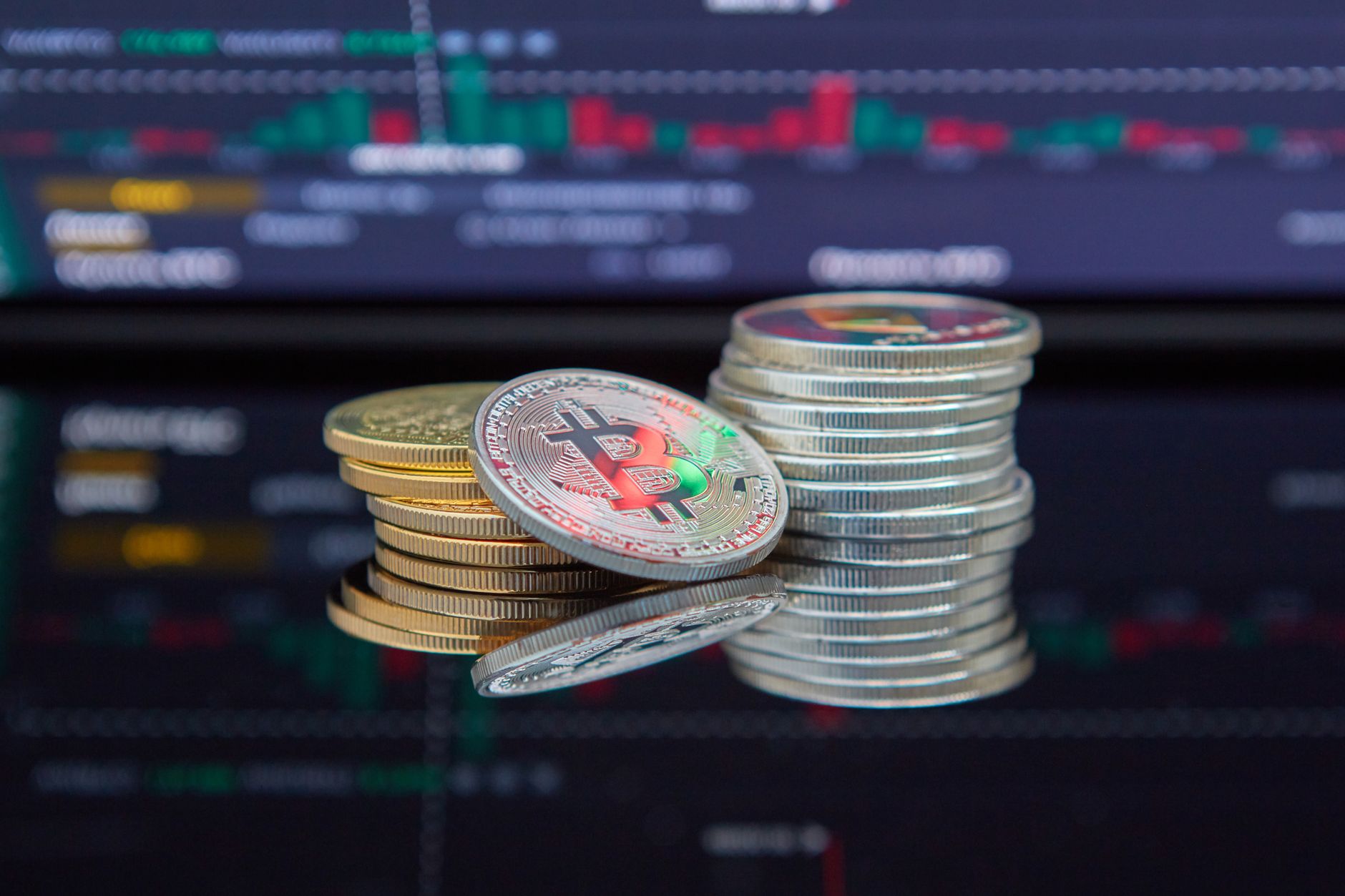
As France and Argentina breeze through the early rounds of the World Cup 2026, their victories are not just a triumph on the field but also a spectacle in the fintech world, particularly within the burgeoning sector of crypto fan tokens. Both teams' stellar performances have seemingly catalyzed significant movements on the Chiliz blockchain, highlighting an intriguing convergence of sports fandom with speculative crypto trading.
The mechanics are fairly straightforward - fan tokens, which live on the Chiliz blockchain, offer holders voting rights and rewards. Yet, when the World Cup season swings around, these tokens morph into hotbeds of speculation. For instance, as detailed in Crypto Briefing, Argentina's fan token, ARG, saw a commendable 6% climb as the group stages wrapped up. This is not just fan loyalty at play but a calculated gamble on national pride translating into digital asset appreciation.
Interestingly, while fan tokens have surged in trading volume, FIFA has steered clear of issuing its official digital asset for the 2026 cycle, possibly learning from past criticisms of such endeavors as mere cash grabs. Instead, the void has been filled by these existing tokens and third-party platforms. This shift toward decentralized fan engagement underscores a broader transition in how sports fanfare and digital assets can interlink without a centralized authority dictating the terms.
For crypto investors, this phenomenon serves as a window into how event-driven markets operate, especially in the decentralized finance (DeFi) space. The correlation between a team's performance and its associated fan token provides a real-world test of market sentiment and emotional trading, a far-removed reality from the traditional, more analytical aspects of asset trading. Then there's the influence of platforms like Kraken, FIFA’s Official Crypto Exchange Supporter, which ties a traditional centralized finance entity with the decentralized ledger of blockchain.
Yet, let's not forget the speculative nature of these tokens. The volatility can be stark, as seen with South Africa's fan token, which rocketed up to 37% - a clear sign of how smaller markets can see dramatic shifts based on match outcomes. Investors diving into this niche market must navigate these waters with a strategy that blends sports analytics with market sentiment, a kind of hybrid expertise that is becoming increasingly relevant in today's diversified investment landscape.
As we watch the knockout rounds, the interplay between on-pitch results and token valuation will likely offer more insights. This isn't just about predicting the winner of the World Cup but understanding how major global events can be leveraged within innovative investment frameworks. For those paying attention, the lesson here is clear: in the modern age of fintech, the game is played both on the field and on the blockchain.

