
Geopolitical Strife in the Middle East Exerts Downward Pressure on Cryptocurrency Markets
As geopolitical tensions in the Middle East intensify, the cryptocurrency market feels the heat, with major digital currencies like Bitcoin, Ethereum, and Solana experiencing significant declines, challenging the notion of Bitcoin as a digital safe haven akin to gold. Amidst this turmoil, some decentralized finance (DeFi) sectors like the Morpho Ecosystem have defied the trend, surging by 63.1%, highlighting the complex and varied investor responses to global uncertainties.
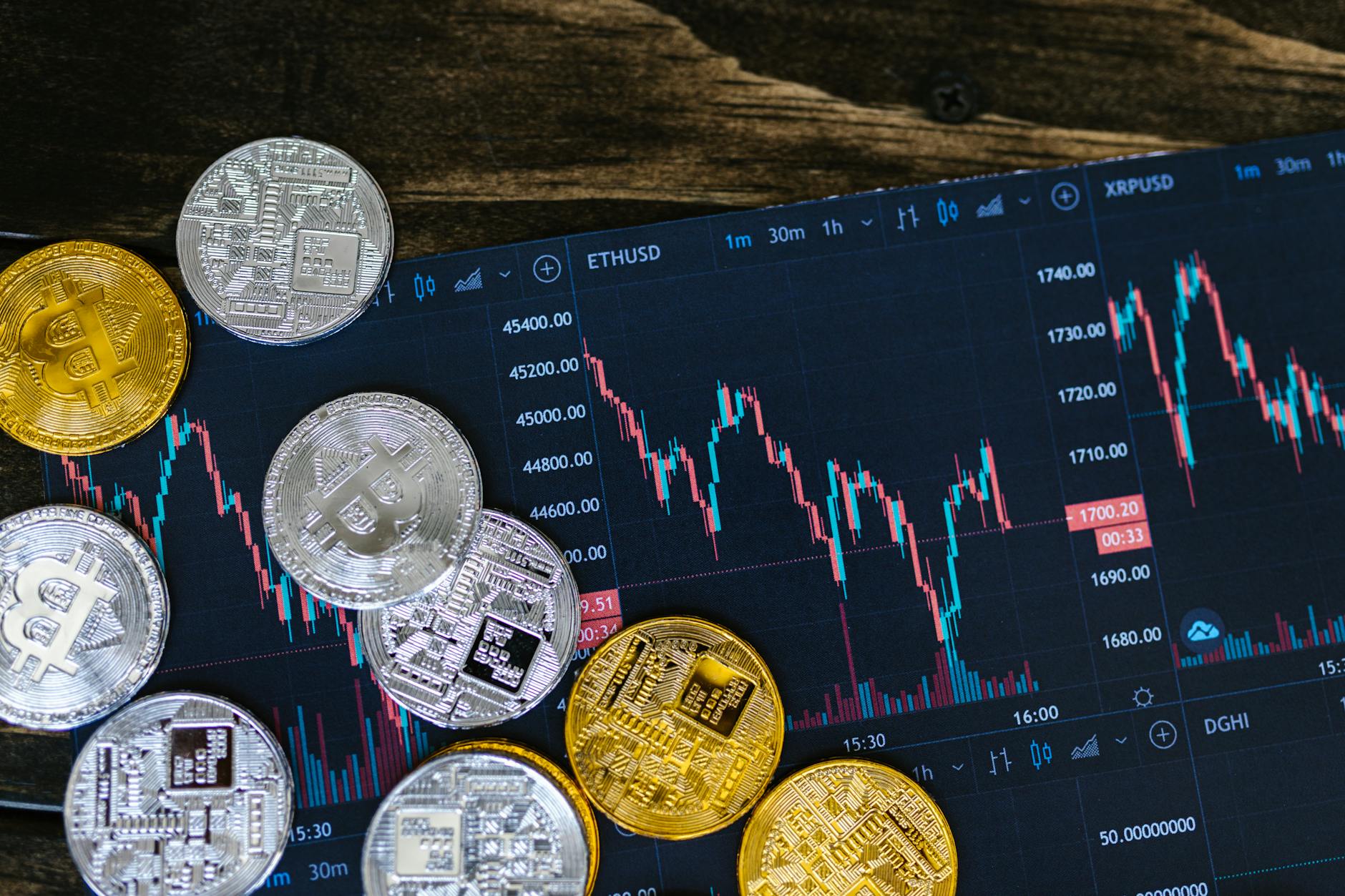
War and its effects on global markets have a binary quality - they either trigger a flight to safety or cause a sell-off across perceived risk assets. This principle is currently playing out vividly as geopolitical tensions in the Middle East send shockwaves through cryptocurrency markets. After six days of US and Israeli airstrikes on Iran, major digital currencies like Bitcoin, Ethereum, and Solana have witnessed notable declines, with Bitcoin dipping below the $72K mark.
As documented by Crypto Briefing, this downturn reflects a broader trend where instability tends to erode confidence in riskier investments, including cryptocurrencies. Despite Bitcoin's reputation as a safe haven asset akin to digital gold, it's clear that in times of acute crisis, traditional assets like US Treasuries and gold still reign supreme as the ultimate bunkers for skittish capital.
The dip in crypto values isn't occurring in a vacuum. The current geopolitical strife hints at possible ground operations, as Kurdish opposition groups have suggested. This potential escalation could further destabilize the region and extend the financial upheaval. Correspondingly, the crypto market's reaction isn’t just about immediate losses but about the anticipation of what could lie ahead. The Fear and Greed Index, comfortably settled in 'Extreme Fear' territory at 22, underscores the jitteriness dominating market sentiment. Although this is a slight improvement from last week’s 11, it isn’t enough to signal a robust recovery soon.
Interestingly, not all segments within the crypto sphere are bleeding. Some sectors of decentralized finance (DeFi) like the Morpho Ecosystem have surged by a staggering 63.1% over seven days, showcasing the nuanced investor behavior that often accompanies broad market turmoil. This divergence likely reflects a mix of speculative moves and a search for assets that don't correlate with mainstream market behaviors.
Historically, crypto has displayed a rather shaky relationship with geopolitical shocks. For instance, during the onset of Russia’s invasion of Ukraine and previous skirmishes between Iran and Israel, Bitcoin and other cryptocurrencies have initially fallen but somewhat quickly recovered as direct impacts did not escalate to worst-case scenarios. However, the prolonged nature of the current conflict and its escalating stakes introduce a different kind of uncertainty, one that could potentially rewrite Bitcoin’s performance script during global crises.
What’s crucial for investors at this juncture is to watch the unfolding military and diplomatic developments closely. A de-escalation might allow crypto values to rebound sharply, echoing the resilience seen in previous geopolitical events. However, further escalation, especially involving ground operations, could catalyze a different outcome entirely, potentially driving oil prices higher and stoking inflation fears further.
For those considering entry points or maintaining current crypto holdings, the market's behavior around key support levels like Bitcoin's $72K will be telling. A decisive drop below could signal a deeper bearish trend, while a rebound might suggest the market has priced in the existing geopolitical risks. As always, the broader economic backdrop and subsequent policy responses will be key arbiters of the crypto market’s direction in such tumultuous times.
Exploring how this affects your payment flow?