
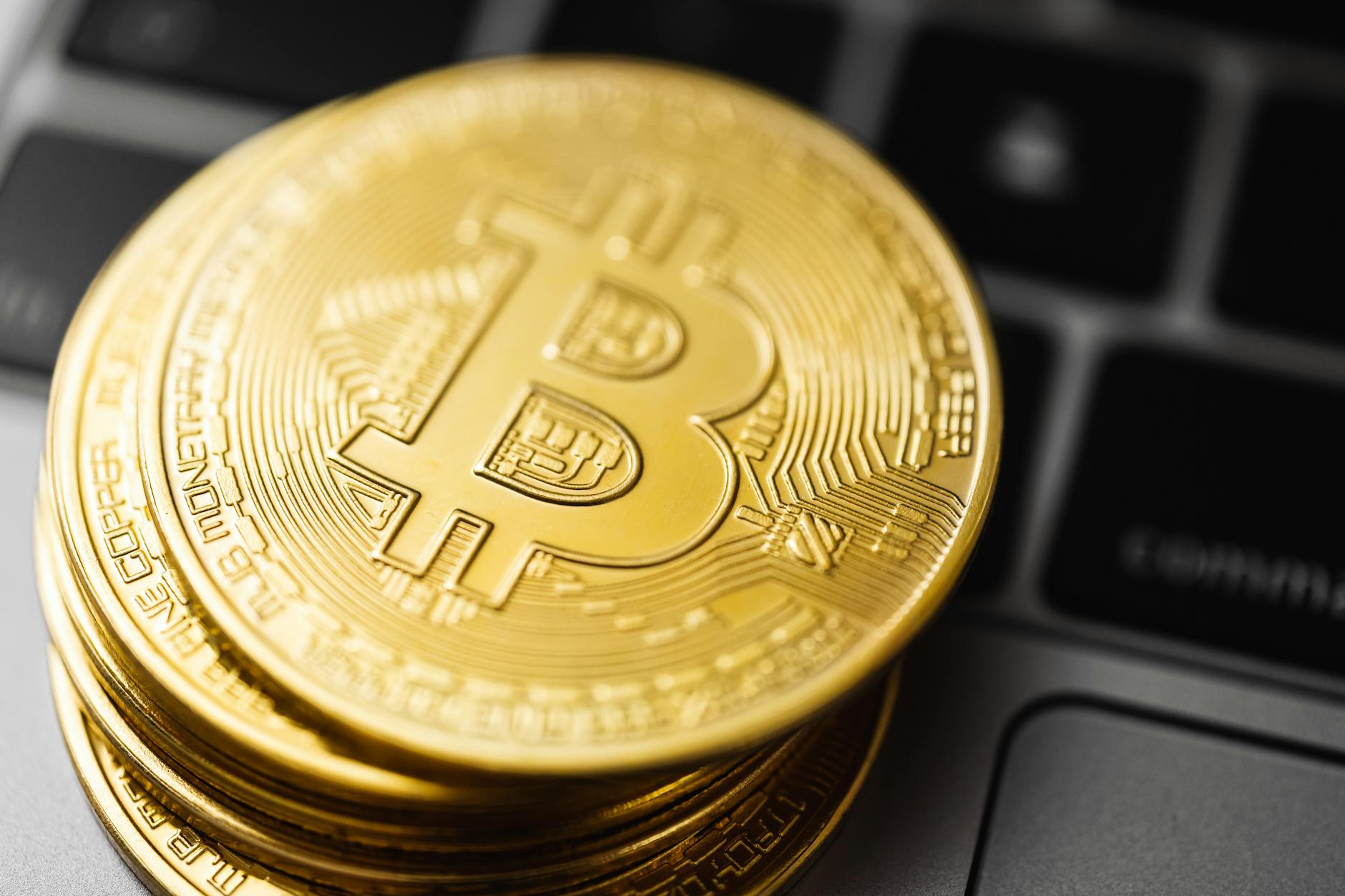
In a significant move for digital payments in Southeast Asia, Grab has partnered with StraitsX to potentially revolutionize how its users transact using web3 technologies. This collaboration focuses on integrating web3 wallets within Grab's platform and utilizing stablecoins such as XSGD and XUSD for seamless cross-border payments, a boon for users and merchants alike seeking efficient and compliant financial transactions.
The memorandum of understanding between Grab, a dominant force in ride-sharing and delivery services across Asia, and StraitsX, a fintech firm specializing in blockchain-based payment solutions, outlines an ambitious plan. Once regulatory hurdles are cleared, Grab users could manage and spend stablecoins directly from their app, facilitating a tighter integration between traditional financial systems and burgeoning digital economies. But let's unpack this - what does it actually mean for the average user and the broader digital payment landscape?
First off, the introduction of web3 wallets by a mainstream app like Grab is no small news. It essentially paves the way for cryptocurrencies to gain more everyday usability, moving beyond speculative investments to practical, everyday financial tools. For everyday consumers, the ability to pay for a ride or order food using stablecoins could vastly simplify transactions, especially in a region as diverse as Southeast Asia, where currency conversion often complicates digital payments.
Moreover, the use of stablecoins like XSGD and XUSD can reduce the cost and time it takes to make cross-border payments. These stablecoins are pegged to stable assets like the U.S. dollar or Singapore dollar, potentially mitigating the volatility typically associated with cryptocurrencies. This feature could be particularly attractive to small and medium-sized enterprises (SMEs) within Grab’s ecosystem, which might benefit from faster, cheaper, and more reliable transactions with partners across borders.
However, the real crux of this partnership lies in its compliance framework. As Tianwei Liu, Co-Founder and CEO of StraitsX, pointed out, Southeast Asia's digital economy is booming yet hampered by fragmented and costly payment solutions. Integrating a compliant, stablecoin-based framework within Grab's app could set a new standard for digital transactions in the region, aligning with stringent anti-money laundering and terrorism financing regulations. This move could essentially serve as a blueprint for similar integrations across the globe, influencing how digital payments evolve in the wake of increasing regulatory scrutiny.
But let's not gallop too far without noticing the hurdles. Regulatory approval is a significant gatekeeper in this arena. The varying degrees of cryptocurrency acceptance across Asian markets mean that both Grab and StraitsX have their work cut out in navigating a complex regulatory landscape. Even with a clear compliance strategy, the pace at which they can roll out these features will be critically dependent on the regulatory bodies' green light in each country.
The integration of stablecoins into a platform as widely used as Grab could also herald a shift in how the public perceives and trusts digital currencies. By lowering the entry barrier to crypto usage, Grab is betting on increased crypto literacy and adoption amongst its users. This could cultivate a more robust digital economy but also places a spotlight on the need for user education regarding the security and management of digital wallets and assets.
This strategic move by Grab and StraitsX illustrates a growing trend where traditional businesses embrace blockchain technologies not just for the hype, but for genuine financial innovation. As highlighted in a recent Radom Insights post, the broader cryptocurrency market is ripe for integration into conventional financial systems, given the right infrastructure and regulatory backing.
Only time will tell how this partnership will play out, but one thing is clear - the intersection of traditional finance and innovative crypto solutions is becoming increasingly crowded, and perhaps, progressively more practical. As Grab users in Southeast Asia might soon discover, a smoother, cheaper, and faster payment method is possibly just an app update away.

