
Heron Power's recent $140 million funding round to escalate the production of solid-state transformers underscores a significant shift in powering data centers and the broader grid infrastructure. Founded by the former Tesla executive Drew Baglino, Heron Power is rapidly advancing beyond its previous $38 million Series A raised in May. This stark increase in funding and production capacity reflects not only the company's ambitious growth trajectory but also the burgeoning demand for more efficient, high-capacity power solutions in industries reliant on massive data processing and storage capabilities.
As reported by TechCrunch, the urgency in Heron Power's ramp-up aligns with the critical needs of data centers which require robust, efficient, and rapidly deployable power sources. Solid-state transformers, such as Heron Link, are pivotal in this context. They represent a leap over traditional iron-core transformers, which, despite their cost-effectiveness and reliability, fall short on efficiency and adaptability requirements posed by modern data-centric infrastructures.
What makes solid-state transformers particularly compelling is their dual ability to handle high power loads and integrate seamlessly with renewable energy sources. Heron Link, for example, not only supports the power-intensive needs of data centers but also facilitates quick energy conversion, crucial for integrating fluctuating power supplies from sources like solar and wind. More intriguingly, these transformers incorporate specialized lithium-ion batteries that help bridge power interruptions, thus mitigating one of the data centers' most significant vulnerabilities - power consistency.
From a financial perspective, the implications of adopting such advanced technologies are profound. As Drew Baglino pointed out, the potential to eliminate up to 70% of the traditional equipment in a data center could translate into dramatic cost reductions, possibly altering the financial models underlying data infrastructure investments. For stakeholders in the energy and tech sectors, this presents both an opportunity and a challenge - the former to streamline operations and reduce costs, and the latter to adapt to the rapid technological shift.
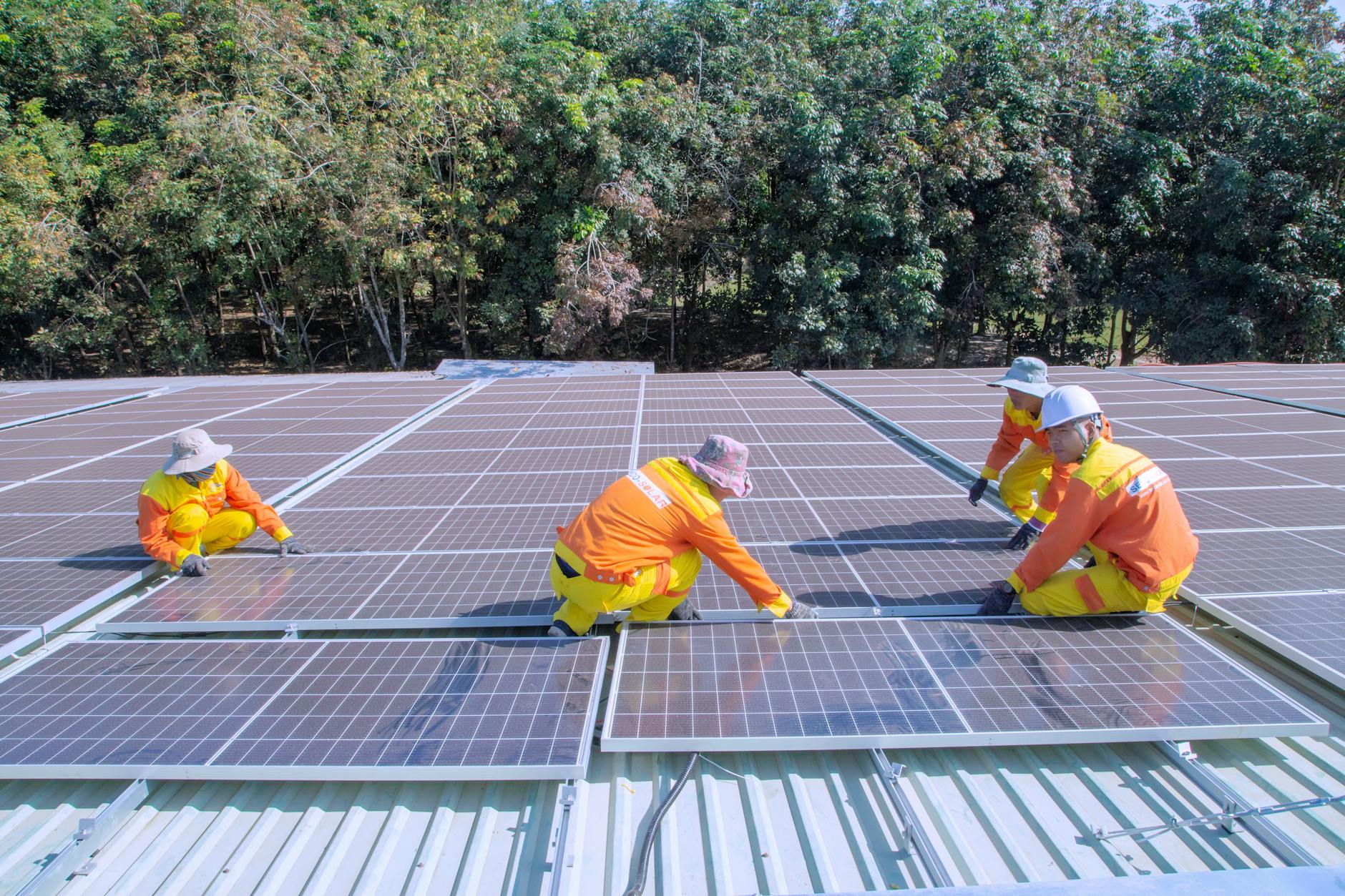
The broader relevance of Heron Power's technology extends beyond data centers. The flexibility and efficiency of solid-state transformers make them equally beneficial for solar power setups and grid-scale batteries. As the demand for renewable energy integration grows, technologies enabling quicker and more adaptable grid management will become crucial. Heron Power's planned factory, aiming to produce substantial capacities of these transformers, positions it as a frontrunner in a critical segment of the energy transition movement.
In conclusion, Heron Power's strategic expansion is not just a business growth story but a narrative about the evolution of grid technology in response to the escalating demands of the digital age and renewable energy sector. For companies like Radom, which monitor developments in the energy consumption of large-scale digital infrastructures, the advancements from Heron Power offer both insights and implications for future operational frameworks in various tech-driven industries.

