
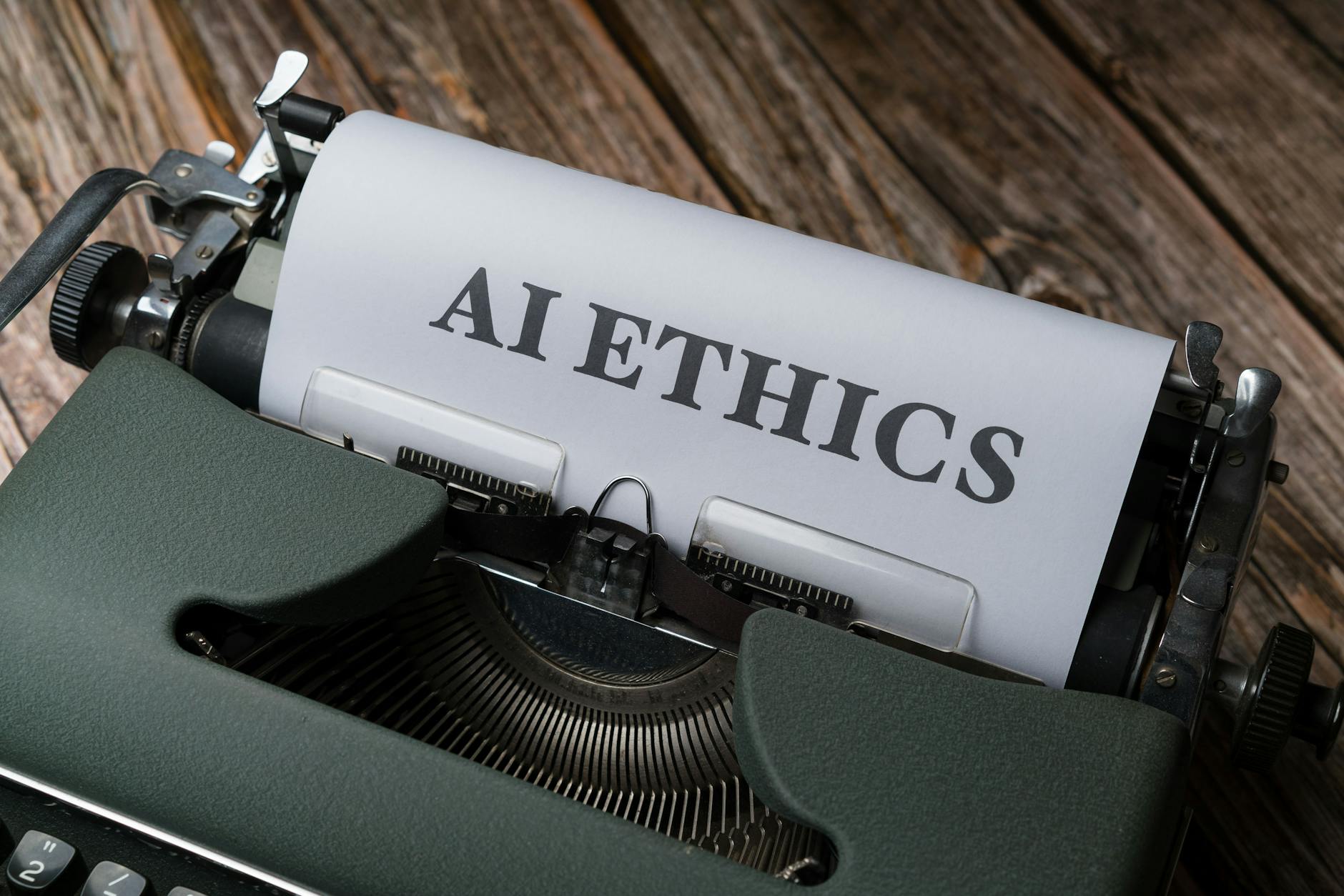
Independent filmmaking is a tough gig. Budget constraints, tight schedules, and resource limitations have always forced indie filmmakers to be more creative and resourceful. Enter artificial intelligence (AI), the latest tool purporting to democratize the film industry by reducing costs and, unfortunately, human collaboration. Brad Tangonan's use of Google’s AI suite in his short film "Murmuray" is a perfect case study, shedding light on both the potential and the pitfalls of AI-mediated filmmaking.
Recently at the Soho House in New York, a series of AI-assisted short films demonstrated that AI isn't just a cheaper alternative but a distinct medium that offers a unique aesthetic and narrative potential. Each film, such as Hal Watmough’s "You’ve Been Here Before" and Tabitha Swanson’s "The Antidote to Fear is Curiosity," showcases a blend of hyperreal and stylized visuals that challenge our traditional notions of storytelling. The tools provided by companies like Google and Runway are reshaping what's possible in filmmaking, from generating complex visual effects to offering new ways to script and shoot scenes that were previously unthinkable due to budget constraints.
This accessibility to advanced tools could be a boon for filmmakers who want to tell stories that demand high production values without the requisite Hollywood budget. As Tangonan himself noted in a conversation reported by TechCrunch, his creative vision for "Murmuray" was achievable only through the use of AI. What would typically require extensive VFX, like a woman floating through the air, could be generated at a fraction of the cost and time.
However, while AI offers tantalizing possibilities, it also introduces significant risks. Critics like filmmakers Guillermo del Toro and James Cameron have voiced concerns over AI's potential to stifle human creativity and produce bland, soulless content. There's a real fear that AI could homogenize filmmaking, reducing it to a series of algorithmically generated clichés rather than genuine storytelling. Del Toro's stark refusal to use AI in filmmaking, as noted in his public statements, underscores a widespread unease about the technology's implications for creative authenticity.
Another dark side of AI in filmmaking includes potential job displacement and the erosion of collaborative filmmaking practices. As AI technologies become more capable, there's a risk they could replace not only technical positions but also creative roles. The communal endeavor of making a film, which traditionally brings together diverse teams to capitalize on individual skills and perspectives, may diminish if AI continues to enable one-person filmmaking teams.
Moreover, the issue of data and environmental ethics cannot be ignored. AI systems require vast amounts of data to train, which often involves scraping copyrighted material without compensation or acknowledgment, raising serious ethical and legal concerns. Additionally, the environmental impact of training complex AI models is substantial, a cost that often goes unacknowledged in the rush to adopt this new technology.
Given these considerations, the challenge for the film industry is to integrate AI in ways that enhance rather than diminish human creativity and collaboration. Filmmakers like Tangonan are at the forefront, experimenting with AI tools while maintaining a firm hand on their creative visions. But as AI technology evolves, the broader industry must engage in a serious dialogue about how to use these tools responsibly - preserving the art of filmmaking while embracing the future.
Ultimately, whether AI will revolutionize or homogenize independent filmmaking hinges on how we choose to use it. It’s not just about what AI can do, but what we allow it to do. This ongoing debate will shape not only the future of film but also how we understand human creativity in an increasingly automated world. Let’s ensure the script we write for AI in filmmaking champions innovation while respecting the collaborative and human aspects that make cinema so powerful.

