
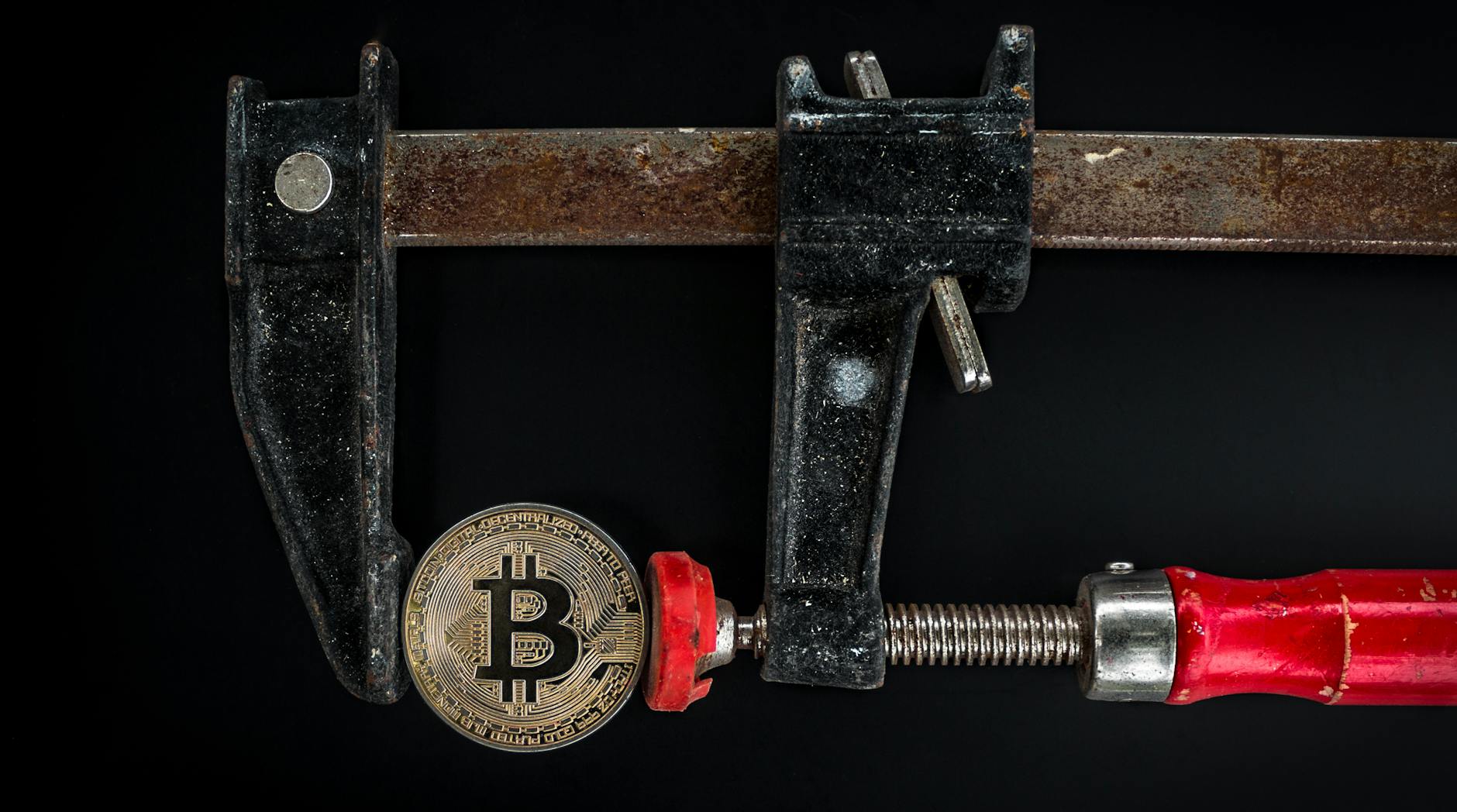
In a rather disconcerting turn of events, South Korean authorities have apparently misplaced Bitcoin seized in a criminal investigation, while an executive at Binance France narrowly avoided a home invasion. The sequence of these incidents underscores not just individual errors or security lapses, but potentially systemic vulnerabilities within the crypto industry's infrastructure and regulatory oversight mechanisms.
The loss of seized Bitcoin by South Korean police is alarming, but sadly not unprecedented in the realm of governmental handling of cryptocurrencies. This incident raises immediate concerns about the procedures and technologies used by authorities to store and manage digital assets. Are standard protocols followed? Is the training adequate? For an industry built on the premise of decentralized security, such mishaps at institutional levels present a stark irony. This oversight, as reported by The Block, might provoke calls for stricter regulatory frameworks or more robust systems for handling confiscated digital assets.
Switching gears to the failed security breach at the home of a Binance France executive, this brings another dimension of risk into sharp relief: personal security. As crypto continues to weave itself into the fabric of mainstream finance, the personal safety of its top brass becomes a matter of concern, one that could necessitate changes in personal security protocols and possibly even affect how high-profile executives engage with public visibility.
Both of these incidents illustrate a broader challenge within the crypto ecosystem: the balance between rapid technological innovation and the robustness of the supportive infrastructure and regulatory frameworks. This isn't just about improving digital security or refining legal guidelines; it's about ensuring that the pace of infrastructure development matches the speed of cryptocurrency adoption. As we discuss on our crypto on- and off-ramping solutions page, the integration of robust security practices is paramount in fostering trust and ensuring user protection in any financial operation involving crypto.
Ultimately, these episodes serve as potent reminders of the growing pains still faced by the crypto world. As digital assets become more integrated into governmental and financial systems, the stakes will only get higher. The industry’s ability to learn from these missteps and rapidly iterate on solutions - be it through enhanced security measures or more effective regulatory practices - will be key to its long-term viability and acceptance. For industry stakeholders, this is a wake-up call to prioritize not only innovation but also the security and structural integrity needed to support it.

